Stewed Taro with Edamame
1. Rinse the taro and edamame, put it in a pot and steam for 20 minutes until cooked. You can easily pierce the taro with chopsticks.
2. After letting cool, remove the edamame from the pods, leave the edamame rice and taro, peeled and cut into pieces.
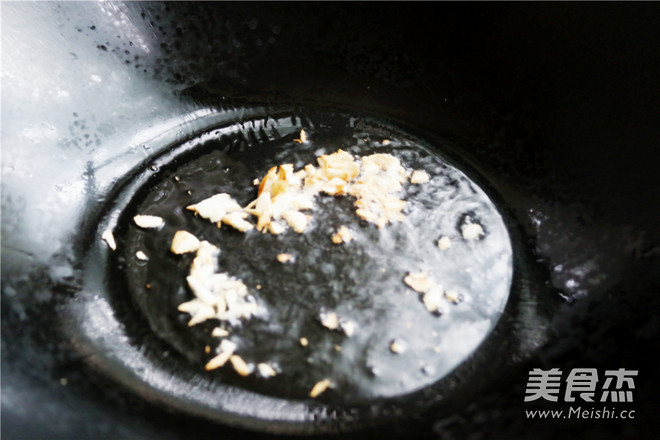
3. Heat a little oil in a pan, add garlic and saute
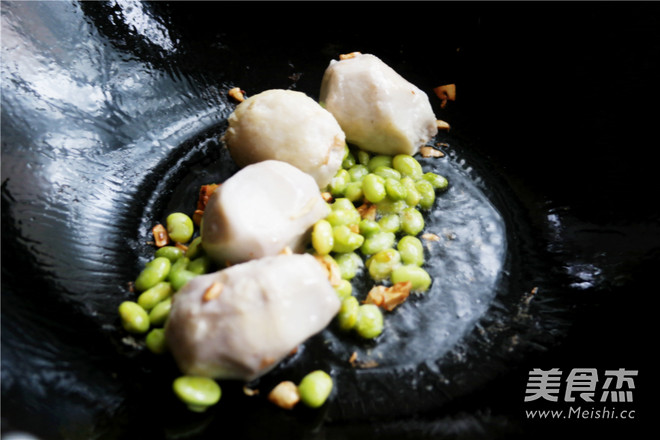
4. The garlic is slightly yellow, then add taro and edamame and stir fry
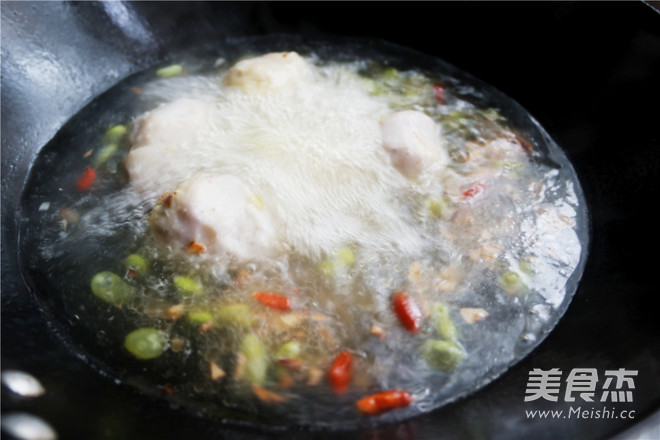
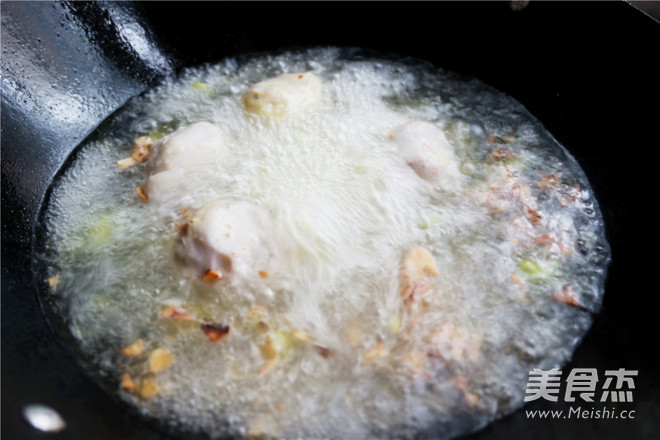
5. Add appropriate amount of water to boil, add white pepper, salt, and a few medlars
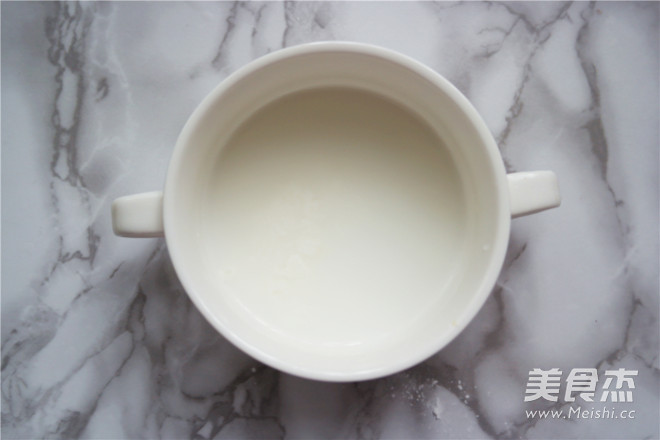
6. Add 2 spoons of starch and 3 spoons of cold water to another bowl to make water starch
7. Finally, pour in water and starch to thicken it, and it can be out of the pot after boiling.
8. Put it in a soup bowl and serve while it is hot
Tips: 1. The taro can be steamed or cooked, but it must be thoroughly steamed or cooked. Raw food has little toxicity and hot food should not be too much, which can easily cause stuffiness or gastrointestinal stagnation.
2. Taro is not tolerant to low temperatures and is suitable for storage in a cool place. It is more likely to break when placed in the refrigerator, so fresh taro must not be placed in the refrigerator
3. Betaine is one of the main alkaloids in Lycium barbarum, which has a significant effect on lipid metabolism


 Buy on JD
 Buy on Amazon