
Stir-fried Duck Blood with Leek
by Dance of wolf
Favorite
25
Difficulty
Easy
Time
30m
Serving
2
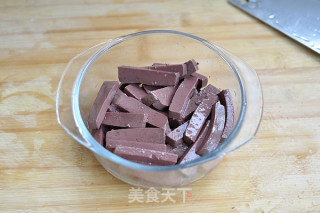
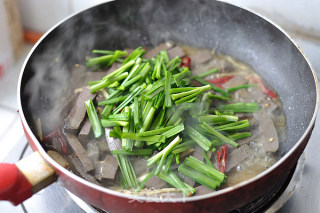
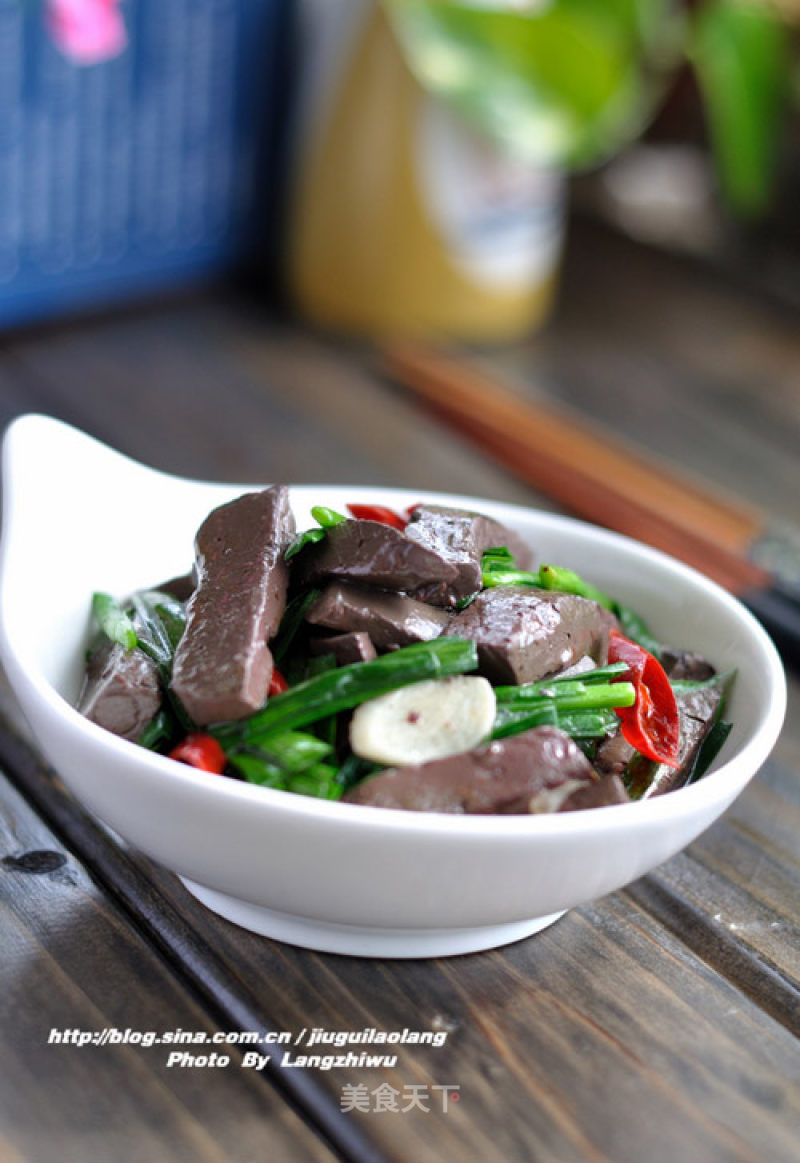
As the old saying goes, "leeks and cucumbers are fresh at both ends", which means that the leeks in winter and spring are very fresh and tender. Today I used leeks to stir-fry duck blood. This is a fresh and beautiful side dish.
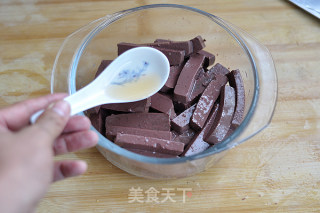
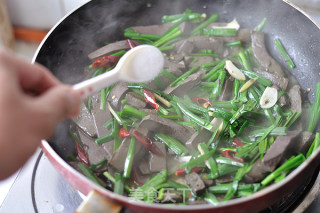
Duck blood should be crispy and tender. I feel that the oil should be added during cooking. The cooking time should be controlled. Don't lose the taste. Put a little pepper oil or white pepper to remove the smell of duck blood.
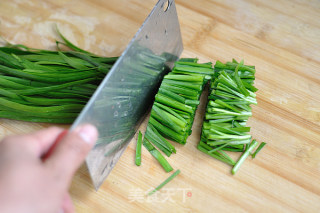
In order to control pests during the growth of leeks, vegetable farmers will spray a lot of pesticides. Therefore, the leeks should be washed clean, and it is best to soak them in clean water for a period of time. "
 Buy on JD
 Buy on Amazon