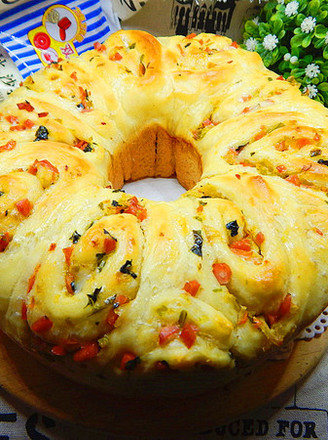
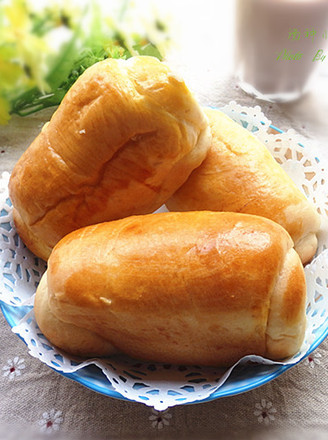
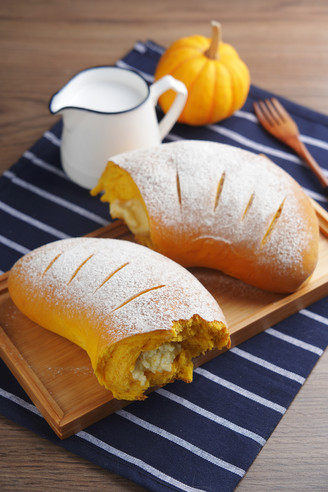
Super Fragrant, Super Soft and Super Delicate! ----super Fragrant Soft Row Buns (jun Baking Chef Machine Version)
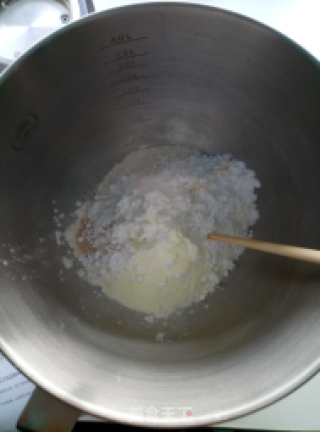
1. The first is to make the dough. The first step in the kneading process of the cook machine is to pour all the dry ingredients (flour, milk powder, salt, sugar, dry yeast) into the mixing bucket, and stir evenly with your fingers.
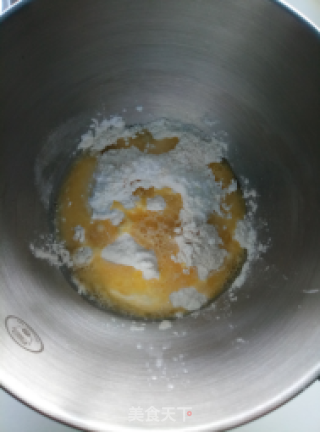
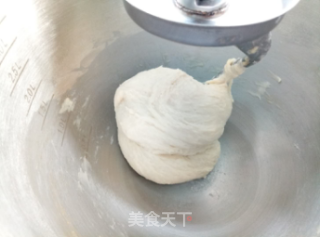
2. Pour in the beaten egg liquid and water. Adjust the cook machine to gear 2 for 5 minutes. After stirring for 2 minutes, the dough has basically formed a dough. Continue stirring for 3 minutes until the dough becomes smooth. This formula is a soft dough, please adjust the amount of water according to the water absorption of the flour and the actual situation of the dough. The dough is soggy and sticky, it is normal to stick to the bottom of the bucket, just continue to knead.
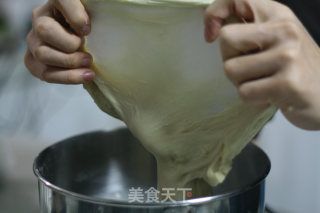
3. After the cooking machine stops, the dough has become relatively smooth and elastic. Slowly stretch the dough. The dough can already form a film, but it can only form a thick film, and it will break if you pull it again. Now you can add butter.
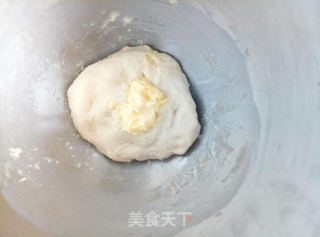
4. Add the softened butter to the mixing bucket (wrap the butter with the dough to make the butter blend better). Turn on the cook machine and continue to knead the dough for 5 minutes at level 2. When the butter has not been kneaded into the dough, the state in the bucket will be a bit horrible, sticking to the wall everywhere. Leave it alone and continue to knead.
5. After five minutes, the butter and dough are basically blended together. Then continue to knead for 5 minutes, observe the state of the dough, if you think it is almost done, you can stop the machine and check it. The dough can already form a transparent film. Reach the expansion stage! Make a soft row of dough and knead it to this level. The next step is the normal fermentation process.
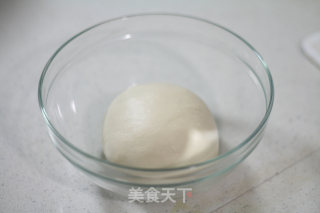
6. Knead the dough, round it and put it in a bowl, cover it with plastic wrap or a damp cloth, and carry out the first fermentation. The fermentation time depends on the room temperature. It takes about 1 hour at 25°C, and the fermentation becomes twice as large.
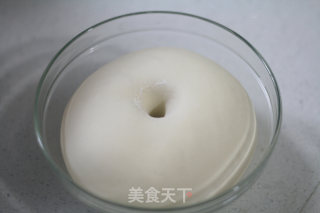
7. When fermented to twice the size, dip your fingers in flour and poke into the dough. The holes formed after the fingers are pulled out do not shrink or collapse, indicating that the fermentation is complete.
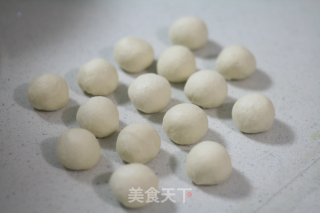
8. Put the fermented dough out of air by hand, flatten it on the chopping board, roll it out with a rolling pin, so that the air in the dough is pressed out as much as possible, divide the exhausted dough into 16 points, and round each part. .
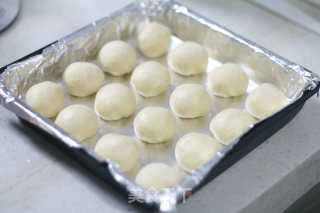
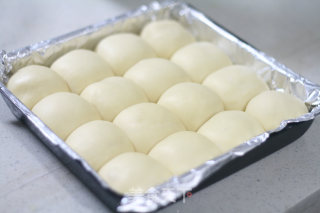
9. Place them neatly in a square baking pan covered with greased paper or tin foil (8-inch square baking pan, that is, a square baking pan with a side length of about 20 cm).
10. Proceed to the final fermentation (recommended temperature 35°C, humidity above 85%). Ferment until the entire baking pan is filled.
11. Preheat the oven to 170°C on the upper and lower fire, brush a thin layer of egg liquid on the surface of the fermented dough, put it in the preheated oven, and bake for about 25 minutes until the surface is golden brown.
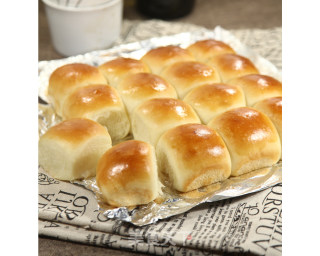

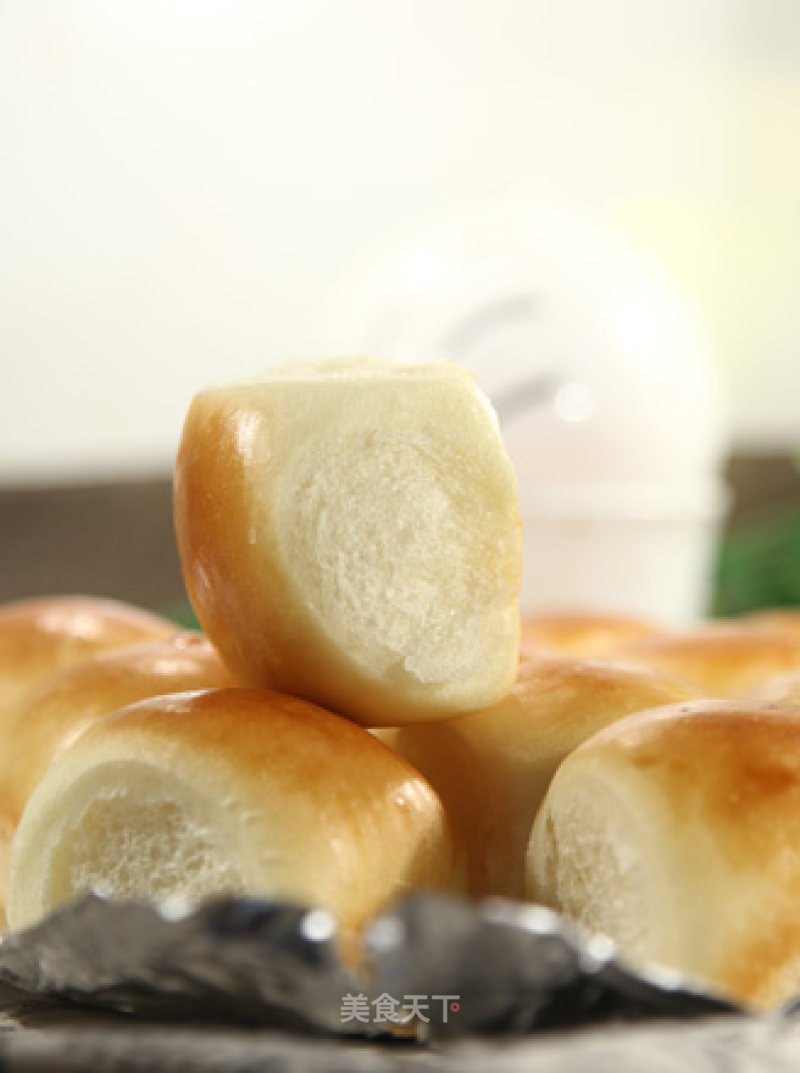
Tips: TIPS of the chef's machine kneading: Different recipes and different moisture content of the dough will affect the kneading time, so the time mentioned in the steps is for reference only, and it is best to judge according to the actual state of the dough. This is hand-crafted by us. Kneading the noodles is the same, and you will never stop kneading it to the ideal state.
TIPS:
1. This dough does not need to be shaped specially, just knead it into a circle and place it on the baking tray, so the intermediate fermentation step is omitted. But before it is divided into 16 parts and rounded, the air in the dough must be drained (so a rolling pin is used).
2. If there is no square baking pan of suitable size, put the dough neatly on the big baking pan, and bake it after fermentation. Except that the shape is not so neat and beautiful, the taste is the same.
3. Spread grease paper or tin foil on the baking pan, or spread a layer of butter on the wall of the baking pan. Otherwise, the baked dough is not easy to demould. If you are using a non-stick bakeware, you can omit this step.

 Buy on JD
 Buy on Amazon