Taro Sago

Taro Sago

by Le Xiaoyao

5.0 (1)
Favorite

Difficulty

Easy

Time

30m

Serving

2

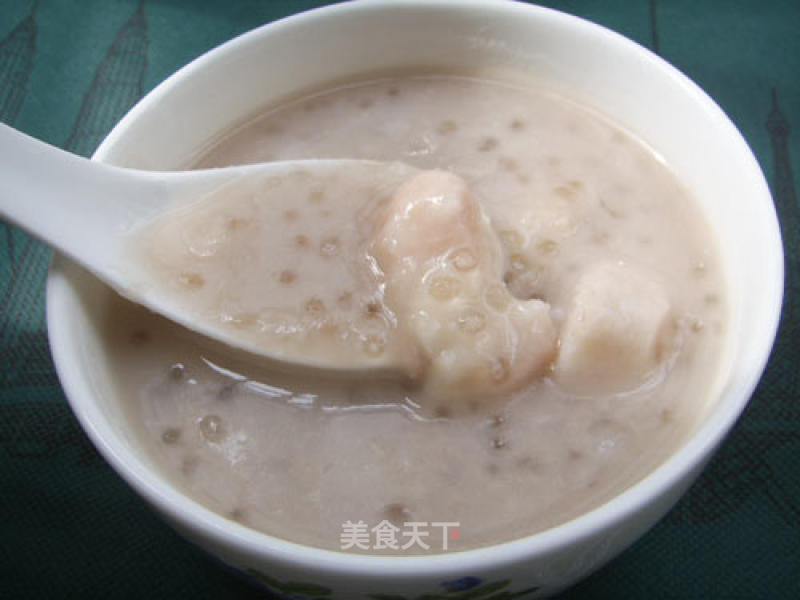
Autumn and winter are the best seasons to eat taro. At this time, the sweet and fragrant taro powder is very delicious whether it is used in dishes or as desserts. Moreover, taro is rich in nutritional value. As an alkaline food, it can neutralize the acidic substances accumulated in the body, adjust the acid-base balance of the human body, and produce beauty and beauty, and black hair.
Traditional Chinese medicine believes that taro has the effects of appetizing, promoting body fluid, reducing inflammation and pain, replenishing qi and nourishing the kidney. It is an ideal ingredient for autumn tonic. Today, taro and sago are used to make a very common and famous dessert in Guangdong: sweet taro sago. Drinking such a bowl of sweet and creamy dessert in cold weather is also a very warm and cozy thing. "

Ingredients

Taro Sago

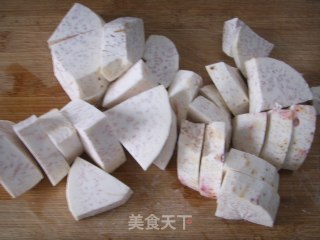
1. Half of taro (about 500 grams), 100 grams of sago, appropriate amount of sugar.

Taro Sago recipe

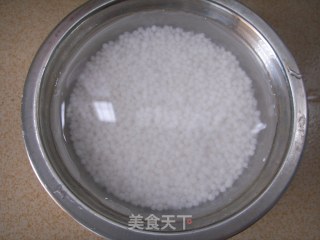
2. Wash the sago and soak it slightly.

Taro Sago recipe

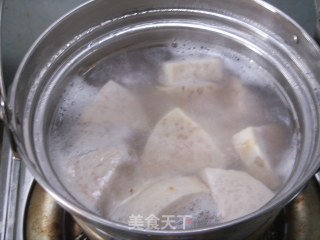
3. Put water in a pot and add taro to a boil.

Taro Sago recipe

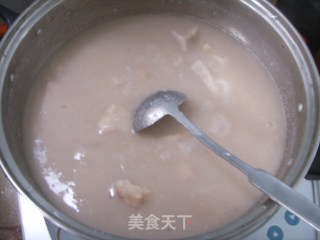
4. Cook until the taro is rotten, and the soup thickens, then add sugar to taste.

Taro Sago recipe

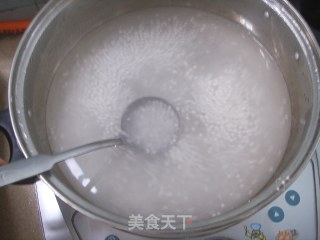
5. Bring the water to a boil in another pot, add the sago and cook until it becomes transparent, then turn off the heat.

Taro Sago recipe

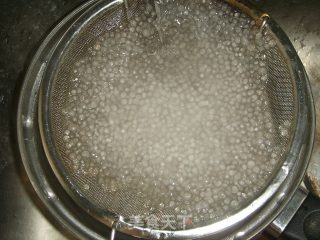
6. Use a sieve to pick up the cooked sago and rinse with cold water.

Taro Sago recipe

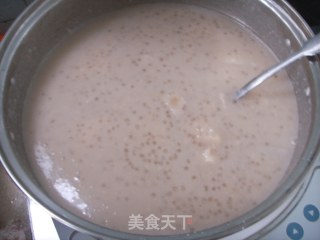
7. Put the rinsed sago into the boiled taro soup and cook, stirring constantly, and turn off the heat when the sago is cooked until there is no white spots.

Taro Sago recipe

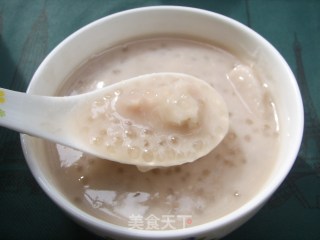
8. The cooked sago is creamy and creamy.

Taro Sago recipe

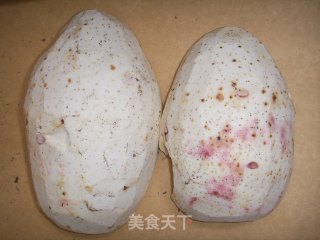
9. The selection and treatment of taro can refer to the old article. http://home.meishichina.com/space-23642-do-blog-id-39345.html

Taro Sago recipe

Tips:

1) To make sago dew, the taro should be boiled until the powder is soft and the soup is slightly thick, and the taste is smooth.

2) After the taro is boiled until soft and rotten, turn down the heat, and pay attention to stirring to avoid muddy bottom.

3) If the sago is boiled in advance, it is best to soak it in ice water after making it into cold water to prevent it from condensing.

4) When the sago is put into the taro soup, it should be stirred constantly to avoid muddy bottom.

Comments

Similar recipes

Seasonal Vegetable Braised Rice

Rice, Taro, Pork Filling

Taro Ball Yuanxiao

Taro, Glutinous Rice Balls, Water

Japanese Seasonal Vegetables

Zucchini, Pleurotus Eryngii, Pumpkin

Taro Stewed in Chicken Broth

Chicken Soup, Taro, Garlic Sprouts

Seasonal Vegetable Ramen Hot Pot

Lotus Root, Thick Soup Treasure, Hand-pulled Noodle

Braised Rice with Taro Ribs

Taro, Ribs, Fragrant Rice