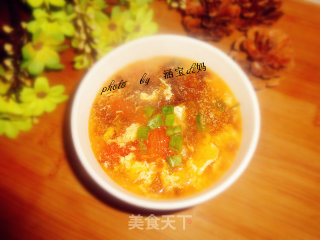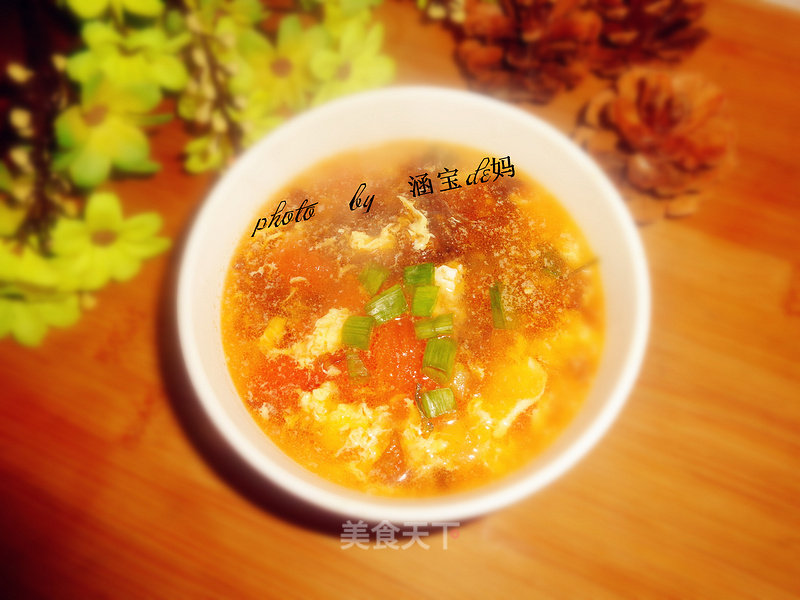

Tomato Seaweed Egg Drop Soup
by Han Bao de mom
Favorite
Difficulty
Easy
Time
10m
Serving
2
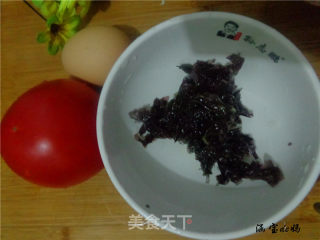
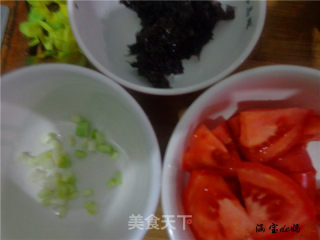
Tomatoes are rich in carotene and lycopene. The "lycopene" contained in tomatoes has the effect of inhibiting bacteria; the malic acid, citric acid and sugars contained in it can help digestion. Tomatoes are rich in nutrients and have many functions, which are called the fruit of the magical dish. Organic acids such as malic acid and citric acid in tomatoes also increase the acidity of gastric juice, help digestion, and adjust gastrointestinal function. Tomatoes contain fruit acids, which can reduce cholesterol content and are beneficial for hyperlipidemia. Tomatoes are rich in vitamin A, vitamin C, vitamin B1, vitamin B2, carotene, calcium, phosphorus, potassium, magnesium, iron, zinc, copper, and iodine. It also contains protein, carbohydrates, organic acids, and cellulose. . Moreover, eating a tomato in the morning, at night, and at night is effective for removing dark circles.
Porphyra (Porphyra), is the collective name for the alternate algae in the sea. Rhodophyceae, red hairy family. The algae are membranous and are called thallus. Purple or brownish green. The shape varies with the type. Porphyra is a marine red algae. The thallus is composed of a layer of cells embedded in a thin layer of gum, dark brown, red or purple. The laver anchors are disc-shaped and false roots are filamentous. It grows on rocks in the shallow intertidal zone. There are many types, mainly including Porphyra variegata, Porphyra japonica, Porphyra yezoensis and so on. Artificial cultivation has been carried out in coastal areas of China. At the beginning of the 21st century, the production of seaweed in China ranked first in the world. Rich in protein, iodine, phosphorus, calcium, etc. For food and medicine [20]. At the same time, seaweed can also be used as medicine and made into Chinese medicine, which has the functions of resolving phlegm, softening firmness, clearing heat and distilling water, and nourishing the kidney and heart. Laver is often mistaken as a plant because of its photosynthesis, but biologists generally believe that it is not a real plant because it has no real pipe tissue (xylem and phloem), which is different from seagrass. In addition, several cyanobacteria are related to seaweed. Large seaweeds mostly grow in cold regions. The artificially cultivated species are Porphyra variegata and Porphyra haitanensis. "
Porphyra (Porphyra), is the collective name for the alternate algae in the sea. Rhodophyceae, red hairy family. The algae are membranous and are called thallus. Purple or brownish green. The shape varies with the type. Porphyra is a marine red algae. The thallus is composed of a layer of cells embedded in a thin layer of gum, dark brown, red or purple. The laver anchors are disc-shaped and false roots are filamentous. It grows on rocks in the shallow intertidal zone. There are many types, mainly including Porphyra variegata, Porphyra japonica, Porphyra yezoensis and so on. Artificial cultivation has been carried out in coastal areas of China. At the beginning of the 21st century, the production of seaweed in China ranked first in the world. Rich in protein, iodine, phosphorus, calcium, etc. For food and medicine [20]. At the same time, seaweed can also be used as medicine and made into Chinese medicine, which has the functions of resolving phlegm, softening firmness, clearing heat and distilling water, and nourishing the kidney and heart. Laver is often mistaken as a plant because of its photosynthesis, but biologists generally believe that it is not a real plant because it has no real pipe tissue (xylem and phloem), which is different from seagrass. In addition, several cyanobacteria are related to seaweed. Large seaweeds mostly grow in cold regions. The artificially cultivated species are Porphyra variegata and Porphyra haitanensis. "
 Buy on JD
 Buy on Amazon