
Walnut Soy Milk
by mature11
Favorite
Difficulty
Easy
Time
15m
Serving
2
Walnut is rich in nutritional value and has the reputation of "Long live child", "Longevity fruit" and "Treasure of health preservation". 86% of the fat in walnuts is unsaturated fatty acids. Walnuts are rich in copper, magnesium, potassium, vitamin B6, folic acid and vitamin B1. They also contain fiber, phosphorus, niacin, iron, vitamin B2 and pantothenic acid. Walnut kernels are rich in nutrients. Each 100g contains 15-20 grams of protein, more fat, and 10 grams of carbohydrates; it also contains many trace elements and minerals such as calcium, phosphorus, iron, etc. necessary for the human body, as well as carotene and nuclear Flavin and other vitamins are beneficial to the human body.
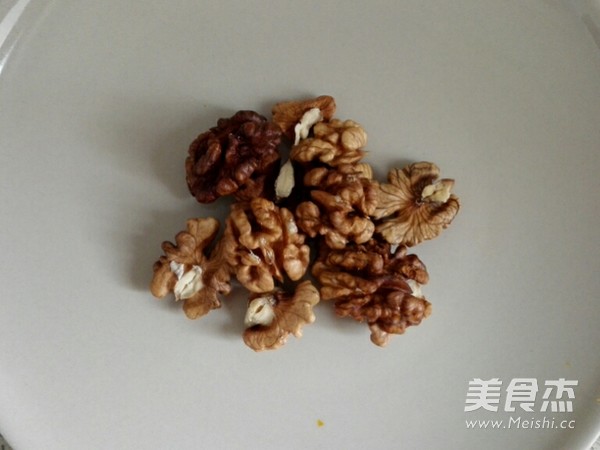
Walnut kernels contain 22.18% crude protein, of which soluble protein is mainly composed of glutamic acid, followed by arginine and walnut kernel aspartic acid.
The shape of the walnut kernel is like a miniature brain, and its folds are like the cerebral cortex. The Chinese have a tradition of "complementing the shape by shape". Children eat more to nourish their minds, while the elderly eat more to prevent memory loss.
Eating walnuts can reduce the risk of depression, reduce the risk of breast cancer, reduce the risk of diabetes, and reduce stress. Often eating walnuts can still have black hair. It is the best season to eat walnuts in autumn and winter.
If you eat walnuts for several months, you can get black hair. The daily dosage is 4-5 is the most suitable, don't have to eat too much, insist on eating every day.
 Buy on JD
 Buy on Amazon