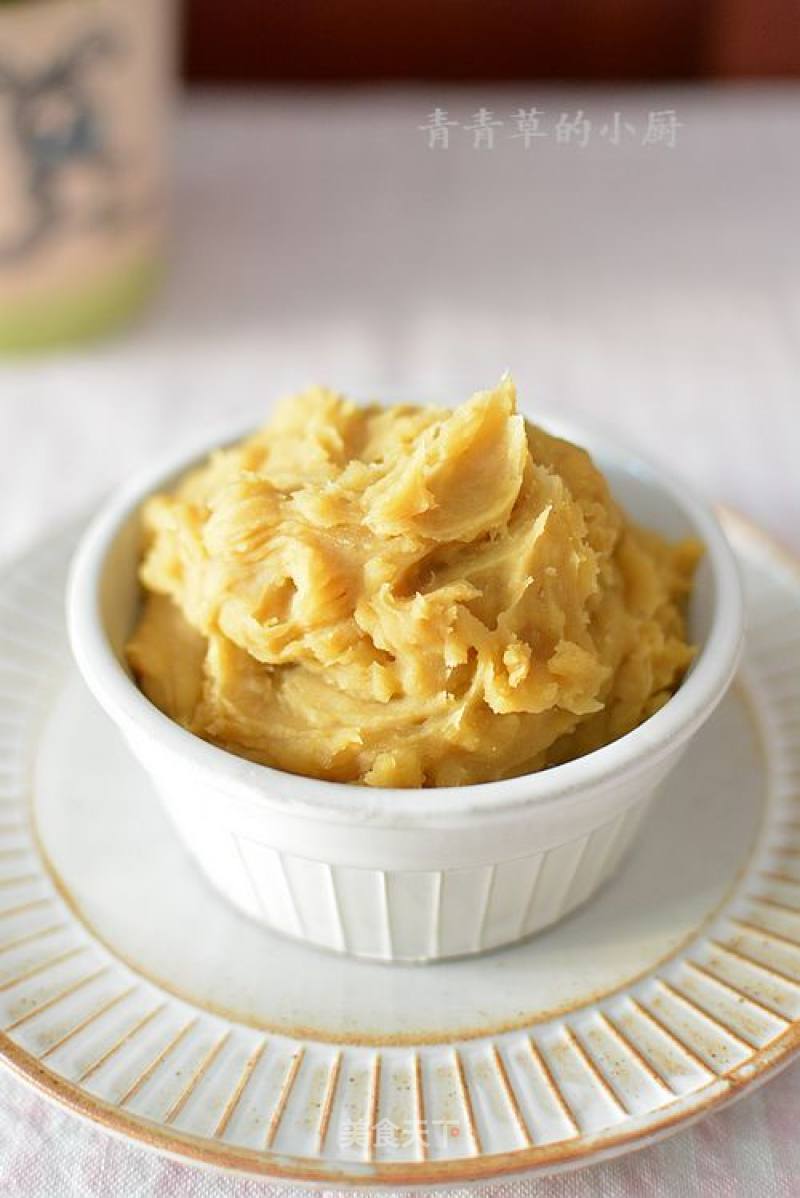

Chestnut Filling
by The grassy little chef
Favorite
Difficulty
Normal
Time
1h
Serving
2
1. Wash the chestnuts you bought and cut the cross-hatch with a little pointed scissors. (Some people use a knife to cut, I'm afraid of cutting it, so I feel that it is more convenient and safer to use scissors.)
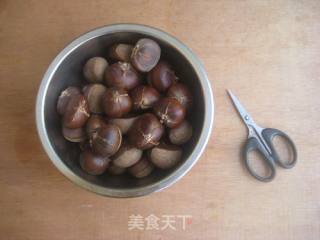

2. Put the chopped chestnuts in a pot and cook for 2 minutes. Remove the chestnuts and remove them from the cut when they are hot. Peel off the chestnuts from the cut when they are hot.
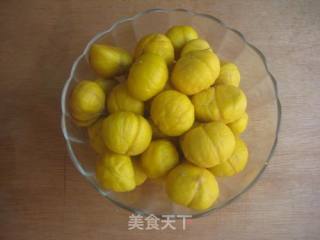

3. Put the peeled chestnut meat back into the pot, add water that has not covered the chestnuts, and cook the chestnuts over the heat.
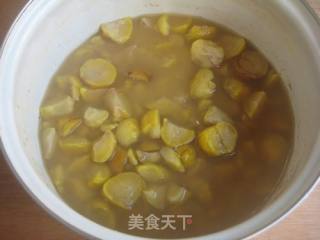

4. Pour the boiled chestnuts into a blender and make a fine chestnut puree after cooling the water slightly. (I divided it into several times.)
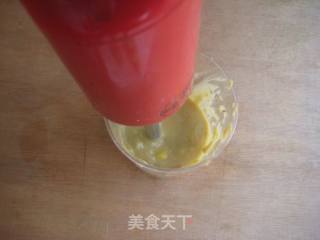

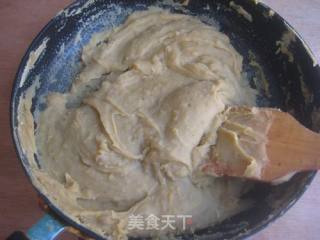
5. Pour the whipped chestnut puree into a non-stick wok, heat it over a medium-to-low heat, and continue to fry. (If the chestnuts are thin, fry them longer, if they are dry, fry them less.)
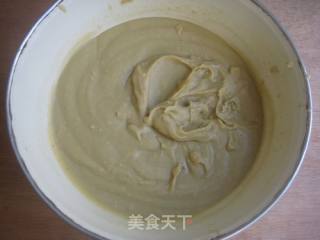

6. Stir-fry until the moisture is reduced and the viscosity is reduced, add sugar, and stir evenly.
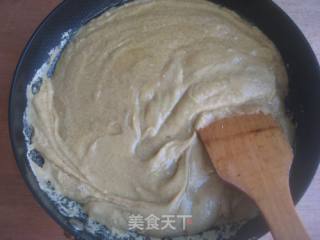

7. Then add butter until completely melted and absorbed.
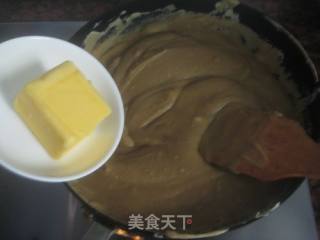

8. Turn off the heat and let cool the chestnut filling and it's ready.

Tips:1. When the chestnut puree is beaten with a mixer, add it in batches. If it is too thick to beat, add a little water.
2. Use medium and low heat when stir-frying chestnut puree, and stir frequently when stir-frying.
3. The chestnut filling after cooling will be a little bit dryer than it is hot, so you should leave a little room when frying and don't fry too dry.
4. The prepared chestnut stuffing can be sealed and stored in the refrigerator. Take it out before use and put it at room temperature.
5. Chestnut has a high starch content, so it is not advisable to eat more at one time, especially patients with diabetes, indigestion and constipation should eat carefully.



 Buy on JD
 Buy on Amazon