Condensed Milk Pork Buns
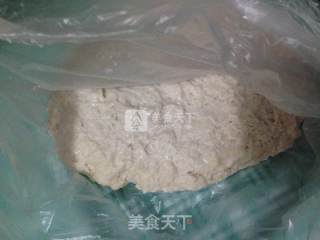
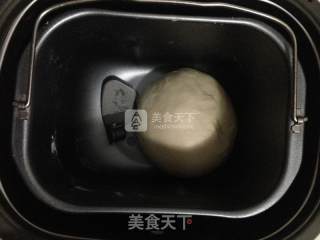
1. The yeast in the middle species is dissolved in water and added to the flour. In winter, it can be hydrated with warm water to accelerate the yeast's effect. After mixing and forming the dough, the room temperature will be 3-4 times larger, or refrigerated and fermented. I put it at room temperature for a while and then put it in the refrigerator for less than a day.
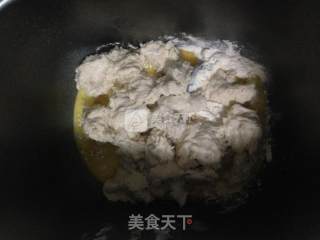
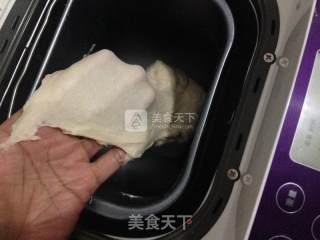
2. Tear the medium dough into small pieces, add the ingredients except the butter in the main dough, and knead the dough for 10 minutes in a bread machine.
3. You can pull out thick films.
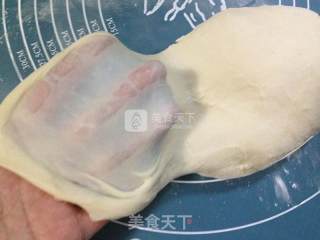
4. Add butter and knead the noodles for another 10 minutes to pull out a thin, hard-to-break film.
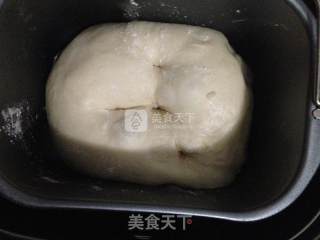
5. Cover it with a damp cloth and leave it at a room temperature of 20 degrees Celsius. Those who have a bread machine can put it in the bread machine. If the room temperature is low in winter, you can turn it on for a few minutes and turn it off. After a while, the dough temperature is too low and leave it on for a few minutes.
6. Send to 2-2.5 times larger.
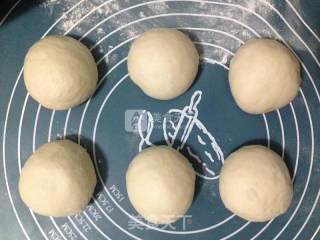
7. Take out the exhaust, divide into six rounds, cover with plastic wrap and relax for 15 minutes.
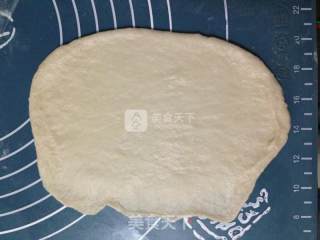
8. Take a portion, roll it into a flat shape, turn it over, roll it out into an oval and thin the bottom edge.
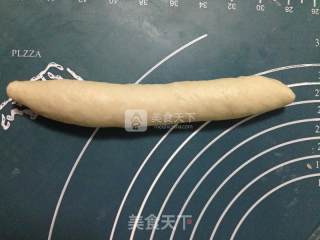
9. Roll it up from top to bottom, pinch the seal, and then shape it into a strip suitable for a square mold of 20cm*20cm.
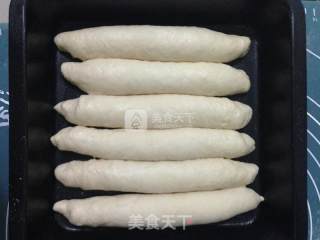
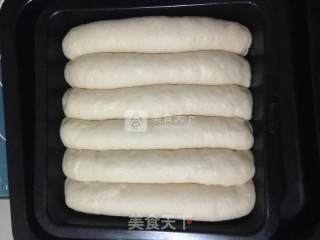
10. Put them into the mold one by one, and the mold should be treated with anti-sticking in advance. Carry out the second fermentation. For the second fermentation, add a small pot of about 80 degrees hot water in the oven. In winter, it is really cold and the fermentation stall can be opened for a short while at intervals.
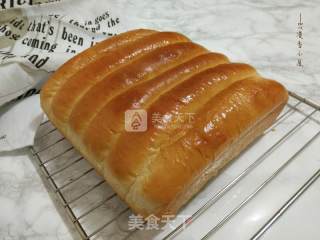
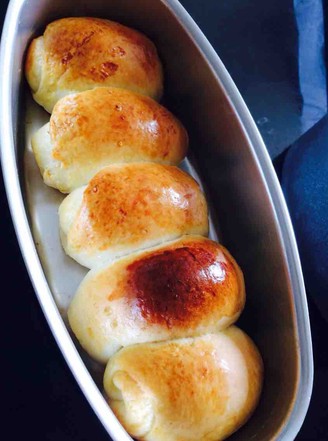
11. When it is about twice as big, preheat the oven at 200 degrees, and bake it at 180 degrees for 30 minutes. Cover with tin foil depending on the coloring, and brush with a layer of butter after it is out of the oven.
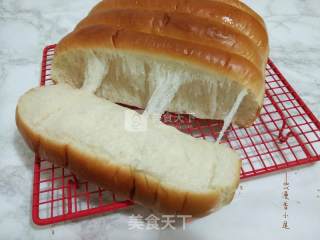
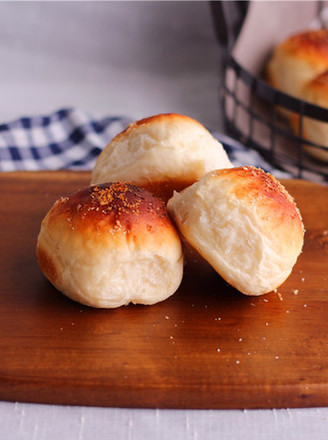
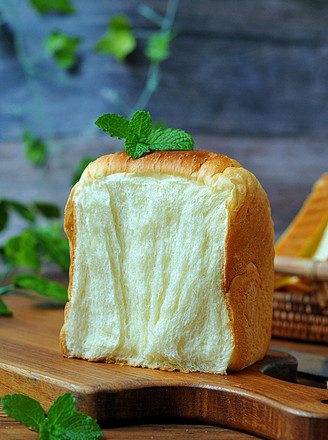
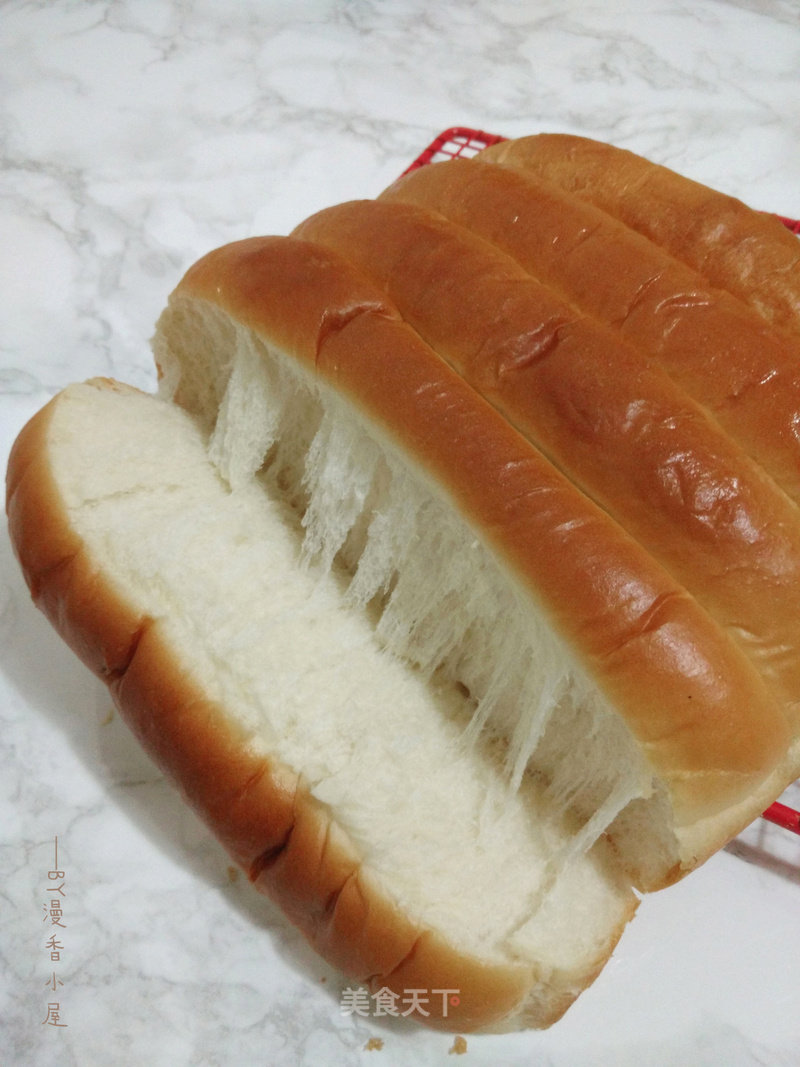
12. Finished product
13. Finished product
Tips: 1. This dough is a bit wet, so novices can reduce the amount of water appropriately.
When the dough is too wet, you can put some oil on your hands and the rolling pin or use a little hand powder. Don't add a lot of hand powder because it is wet and sticky.

 Buy on JD
 Buy on Amazon