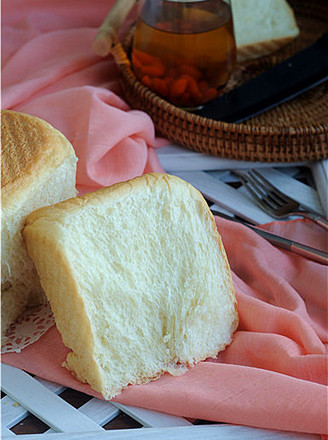
Danish Bread Dough
1. 170g high powder, 30g low powder, 50g fine sugar, 20g butter, 12g milk powder, 1 egg, 3g salt, 5g dry yeast, 90g water
2. 170g high powder, 30g low powder, 50g fine sugar, 20g butter, 12g milk powder, 1 egg, 3g salt, 5g dry yeast, 90g water
3. 170g high powder, 30g low powder, 50g fine sugar, 20g butter, 12g milk powder, 1 egg, 3g salt, 5g dry yeast, 90g water
4. 170g high powder, 30g low powder, 50g fine sugar, 20g butter, 12g milk powder, 1 egg, 3g salt, 5g dry yeast, 90g water
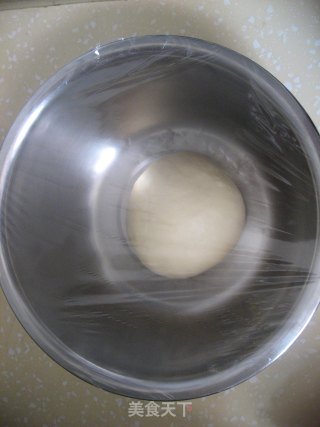
5. Cover with plastic wrap and leave to ferment in a warm place
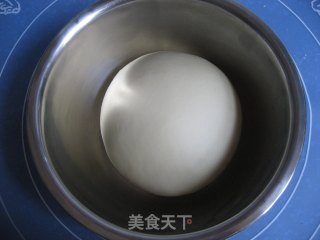
6. Sent to twice the size
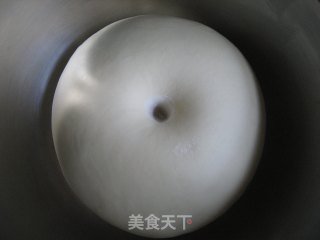
7. Dip your fingers in flour and insert them into the dough, and the holes will not shrink or collapse, indicating that the dough has finished fermentation
8. Prepare the butter for wrapping
9. Put the butter in the fresh-keeping bag and roll it into thin slices
10. Put the butter in the fresh-keeping bag and roll it into thin slices
11. Roll out the loose dough into a rectangular dough sheet
12. Put the butter slice in the middle of the dough
13. Put the butter slice in the middle of the dough
14. Fold one end of the dough to the middle and cover it on the butter slice
15. Fold the other end of the dough toward the middle, and press the opening tightly
16. Turn the dough over, closing it down, roll out the butter-wrapped dough again into a thin rectangular dough,
17. Turn the dough over, closing it down, roll out the butter-wrapped dough again into a thin rectangular dough,
18. Fold it into 3 folds again, put it in the refrigerator and let it rest for 20 minutes.
19. Repeat the above steps and perform 3 folds, roll out into 0.4cm slices, you can make various Danish breads according to your needs.
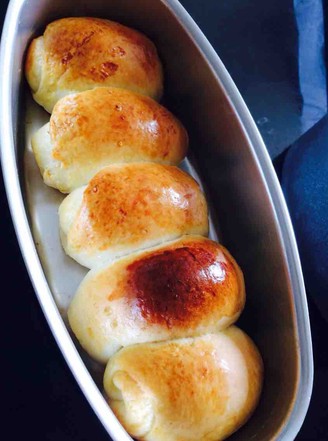
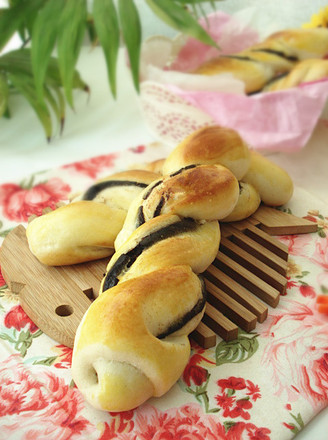
20. Mini croissants
Tips: Baking: middle level of the oven, upper and lower fire, 200 degrees, about 10 minutes


 Buy on JD
 Buy on Amazon