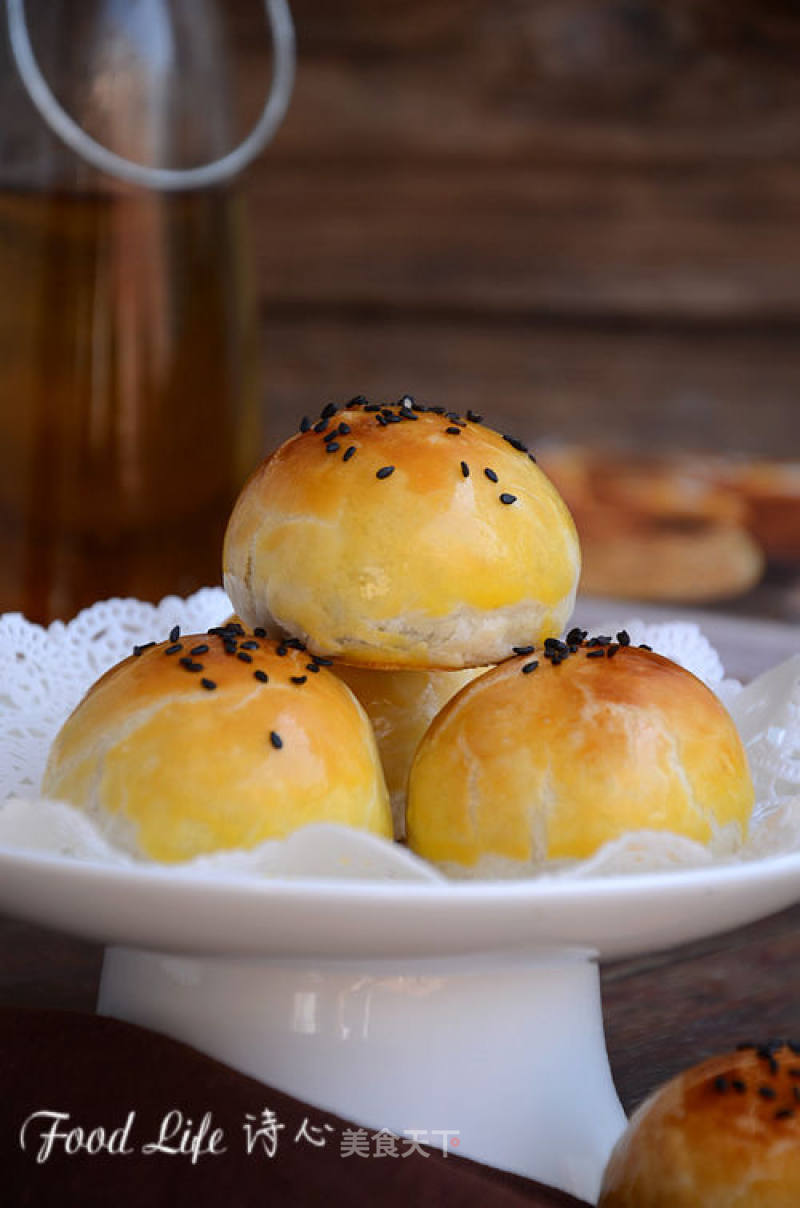

Egg Yolk Crisp
by Poetic heart
Favorite
Difficulty
Normal
Time
1h
Serving
2
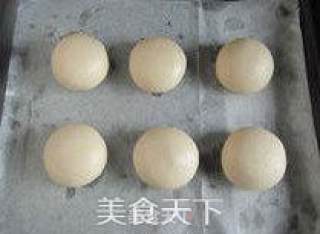
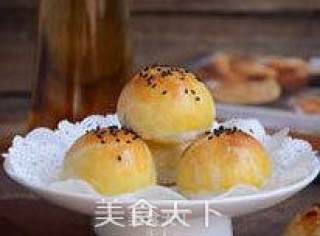
Egg Yolk Crisp---Although it is not big, it is a sweet dessert that is especially intoxicating. A few years ago, when I saw this little yellow-orange-orange thing for the first time, I was instantly attracted by its color. At that time, I was not good at pastry. Seeing the long process of making oily crust and shortcrust pastry in the recipe, as well as fried lotus seed paste and egg yolks, etc..., it made people feel dizzy. However, people who love food all have a heart to try. Delicious things have to be challenged. After a short while, the "Long March Road" that they originally thought in their hearts began. As a result, after some attempts, I realized that pastry desserts are actually not difficult. As long as you treat them carefully and take your time step by step, the results are nothing. After the first success, I was almost obsessed with this dessert, but the production process was too long and there was always no record. Everyone loves Chinese pastries. In this season, it is the right time to make them. Let’s do it yourself. With your TA, enjoy tea and snacks, and enjoy an exclusive Chinese romance. "