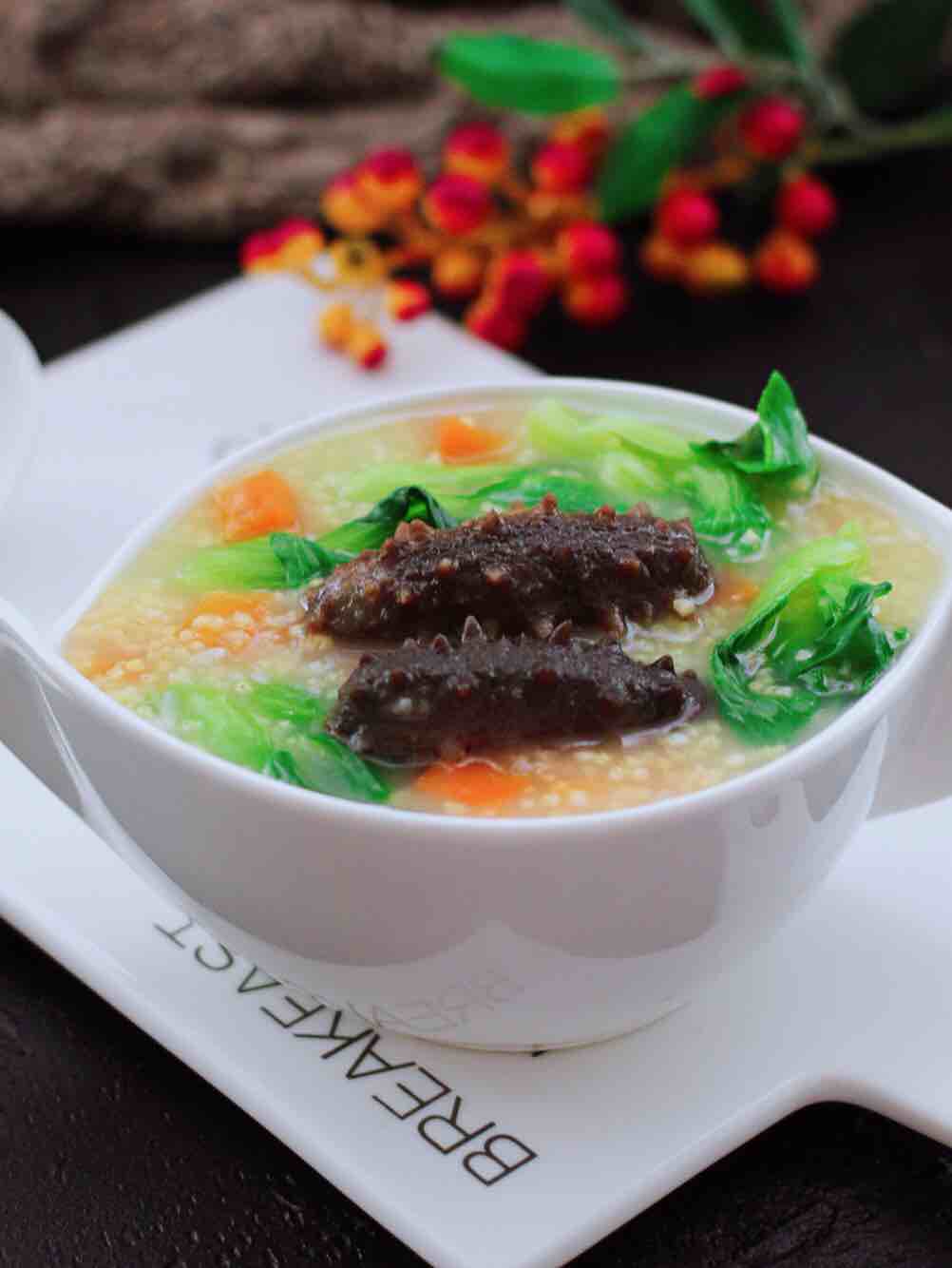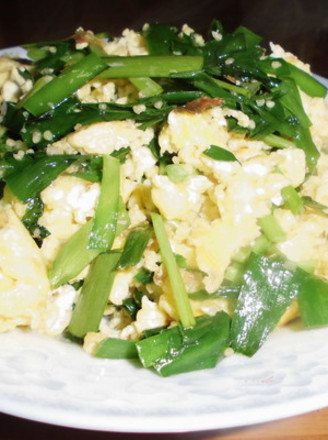

Fried Millet with Chives and Eggs
by Advocating death. . .
Favorite
Difficulty
Easy
Time
15m
Serving
2
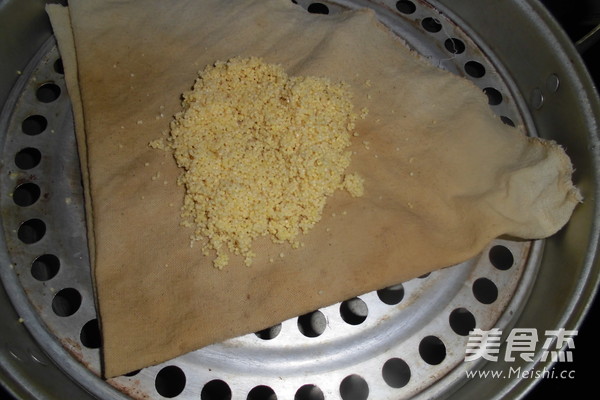
1. The content of the main nutrients such as protein, fat and carbohydrates in millet is very high, and because millet usually does not need to be refined, more nutrients and minerals are preserved. The content of vitamin B1 is several times that of rice. The content is also higher than that of rice. Carotene, which is not contained in general grains, contains 0.12 mg per 100 grams of millet.
2. Millet has outstanding iron content, has a good blood-tonifying effect, and its phosphorus content is also high, which is 2 to 3 times that of rice, and contains a large amount of vitamin E, which is 4.8 times that of rice.
3. High potassium content and low sodium content. The content ratio is 66:1. The dietary fiber is 4 times that of rice, but its protein contains very low lysine, so it should be the same as foods with high amino acid content such as soybeans and meat. food.
4. Millet has a high starch content of about 70%, which is an energy food.
 Buy on JD
 Buy on Amazon