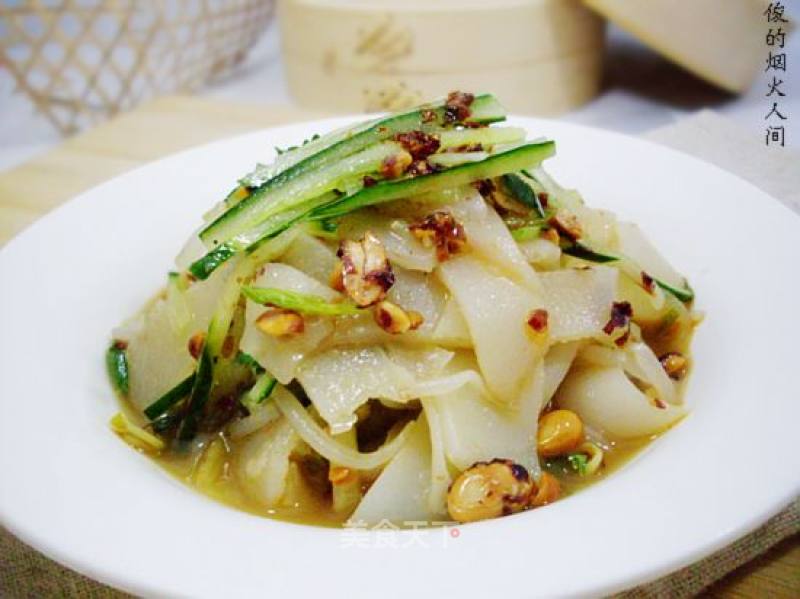

Homemade Cold Skin
by Enron ar
Favorite
Difficulty
Hard
Time
2h
Serving
2
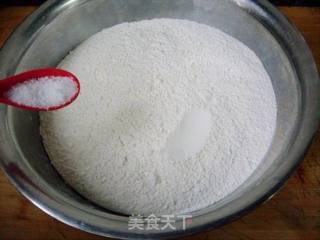
1. Add a little salt to the flour and mix well

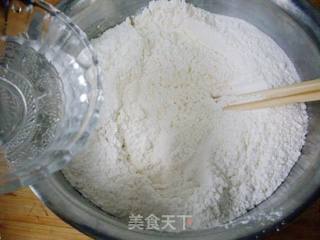
2. Add water to the flour and stir it into a large snowflake while adding water

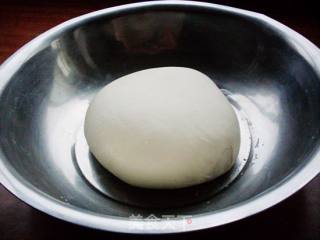
3. Knead the dough repeatedly until the surface is smooth, and let the kneaded dough wake up for 30 minutes

4. Add water to the dough to wash the dough, which is to knead the dough with your hands in water. At this time, white water will gradually separate out
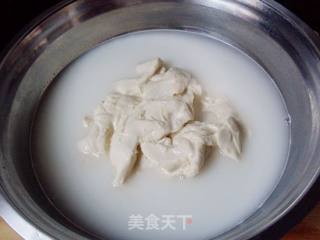

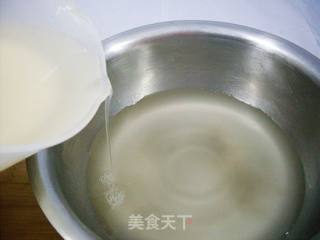
5. Pour the white slurry into a clean container
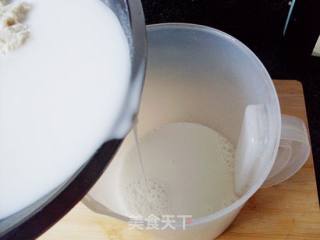

6. Continue to add water to wash the dough
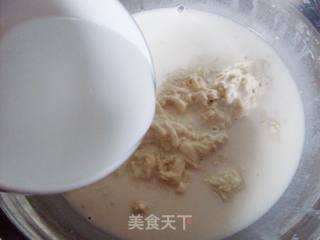

7. The washed white liquid continues to pour into the container just now
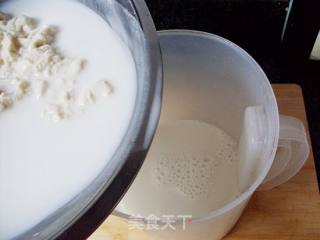

8. Repeat this 4-5 times, until the white liquid can no longer be washed out, and only a lump of strong stuff is left in the dough, which is gluten. At this point, you are done and the noodles are ready.
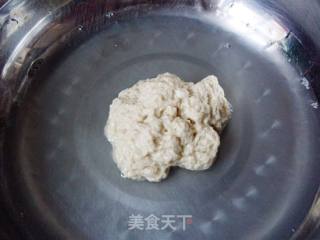

9. Put the prepared flour slurry aside and let it settle for 5 or 6 hours
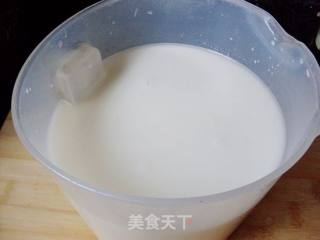

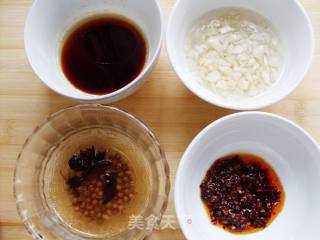
10. Put the star anise, pepper and bay leaves with a little salt into the pot, add a small bowl of water to boil, then simmer for 5-8 minutes, turn off the heat and let cool, the spice water is ready
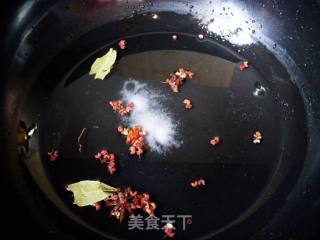

11. Mash the garlic, add cold boiled water or mineral water, soak the garlic juice
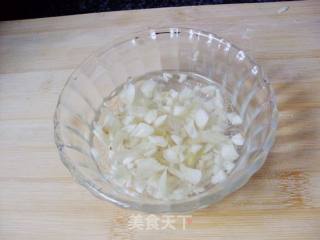

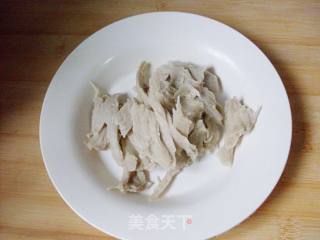
12. The gluten is steamed or boiled in the pot, shredded

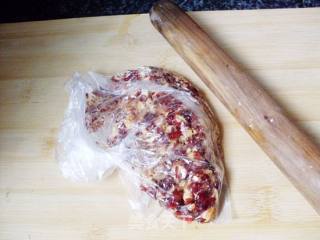
13. Roll the cooked peanuts into pieces with a rolling pin

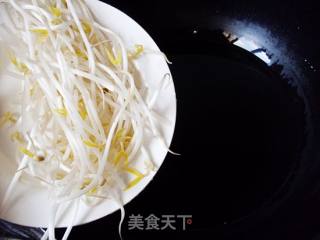
14. Boil the mung bean sprouts in a pot of boiling water

15. After 5 or 6 hours, the flour slurry has settled and stratified
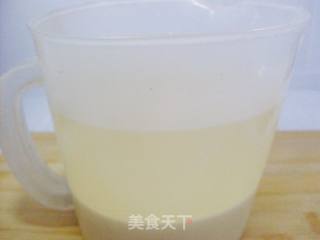

16. Pour out the top layer of water carefully

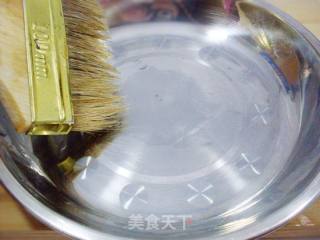
17. Take a clean stainless steel flat plate (of course, a professional tool is better), and brush it with oil

18. Stir the precipitated flour slurry with a spoon, put a spoonful into a flat plate, just a thin layer, put it in the boiling water pot, cover with the lid for 2 to 3 minutes
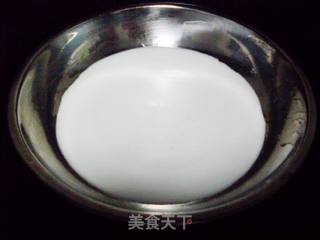

19. Open the lid and quickly put the flat plate into the cold water basin
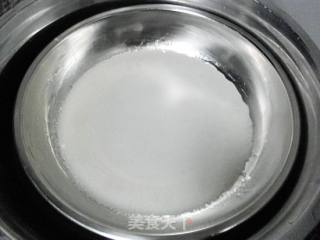

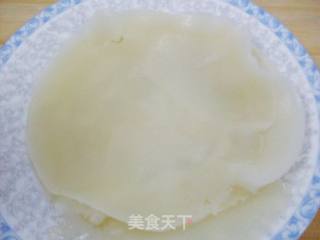
20. Gently uncover the cold skin into a clean plate

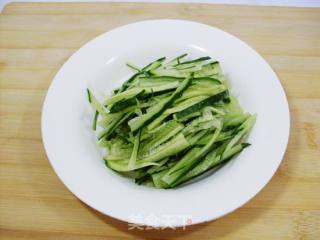
21. Wash the cucumber and cut into thin strips

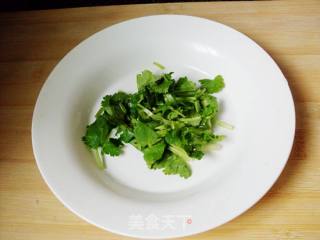
22. Cilantro minced

23. And prepare the sauce

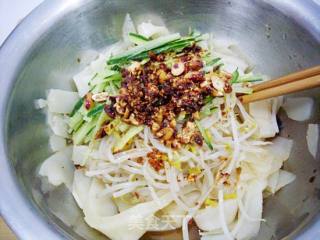
24. Cut the cold cold skin into thick strips, add the blanched mung bean sprouts, cucumber shreds, chopped peanuts, spice water, garlic juice, light soy sauce, vinegar, sesame oil, a little salt, ground coriander, and spicy oil and stir well

Tips:1. For making Liangpi, high-gluten flour is more likely to become gluten, if not, you can use ordinary flour
2. When steaming, you must grasp the time
3. During the steaming process, be sure to cover
4. You can also add some sesame paste to taste better

 Buy on JD
 Buy on Amazon