Hong Kong-style Dessert-mango Sago
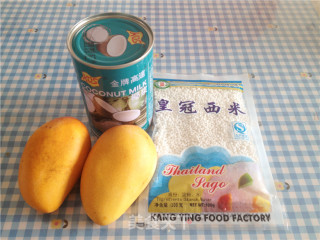
1. Preparation materials: sago, coconut milk, mango.
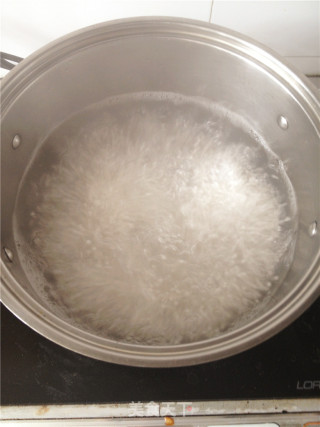
2. Prepare the soup pot, add enough water to a boil, turn to medium heat and pour the sago into the water. Stir while cooking, about 15 to 20 minutes, cook until there is a small white core in the middle, turn off the heat.
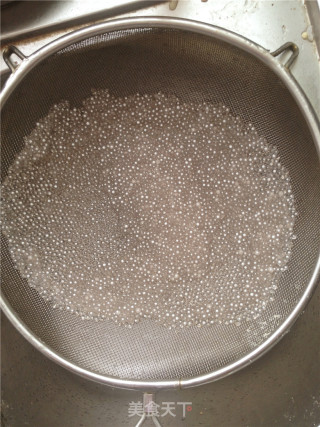
3. Filter the sago with a strainer and wash it with clean water to rinse off the slime of the sago.
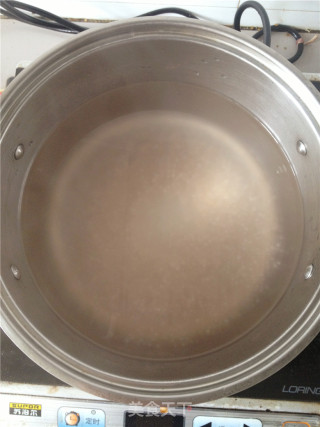
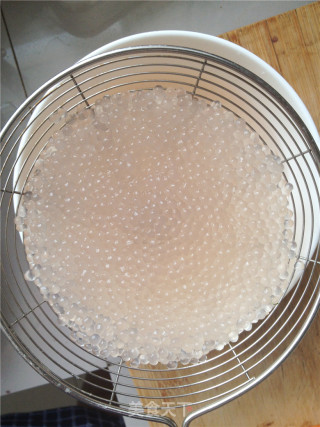
4. Place another pot of boiling water and cook until the sago is completely transparent.
5. Filter the sago again and flush the water a few more times, the sago will be smooth and slippery.
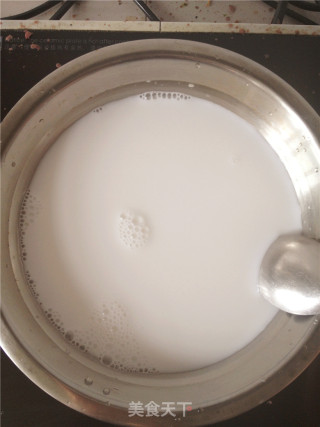
6. Pour coconut milk and water into a pot and heat until it boils.
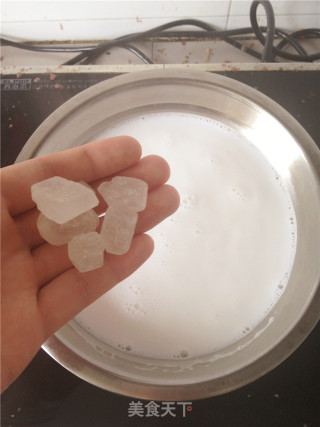
7. Add the right amount of rock sugar to melt.
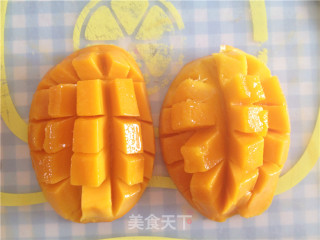
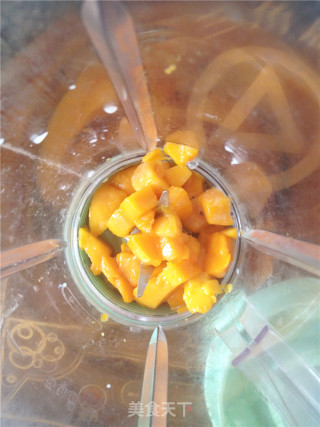
8. Cut the mango in half, draw a grid on it, turn it over and cut into small dices.
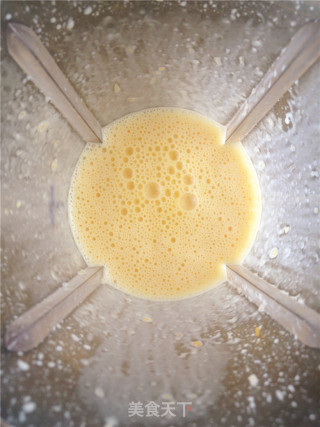
9. Half of the diced mango is set aside, and the other half is used in the blender with coconut milk.
10. Stir it into particle-free mango coconut milk.
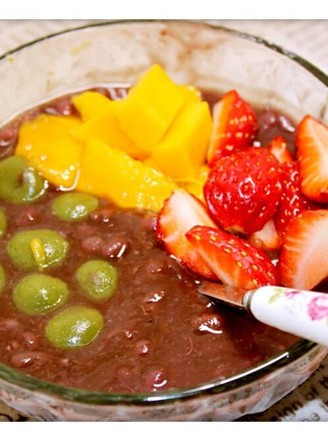
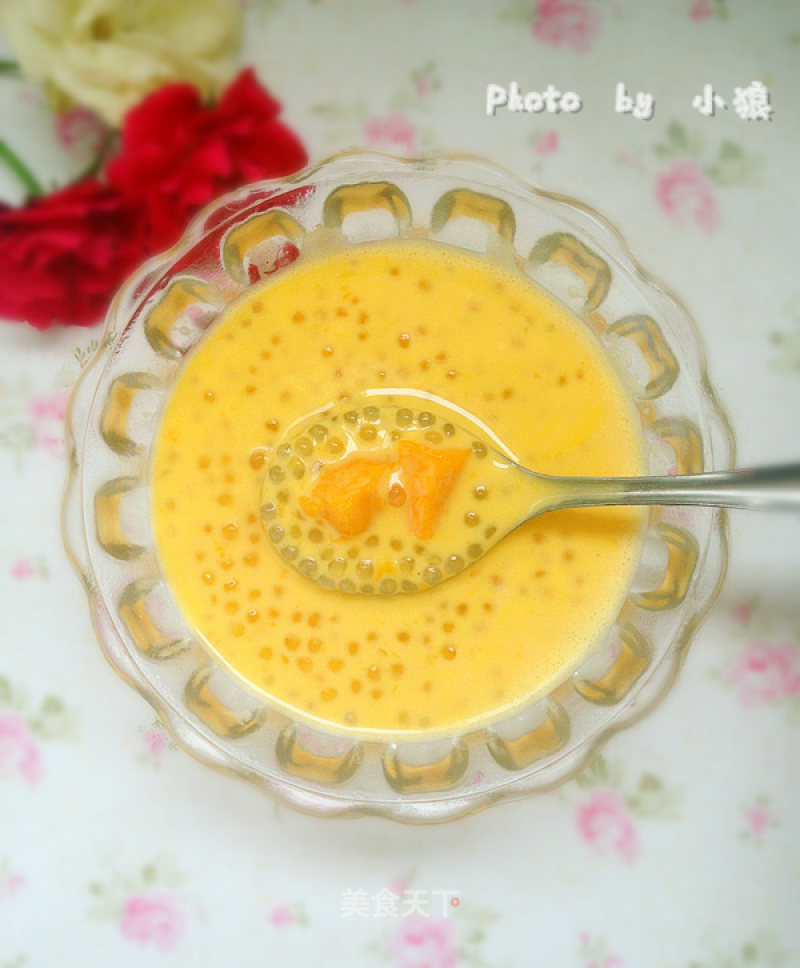
11. Add sago and mango coconut milk to the bowl. Stir well and add the remaining diced mango. It will be more delicious after refrigeration.
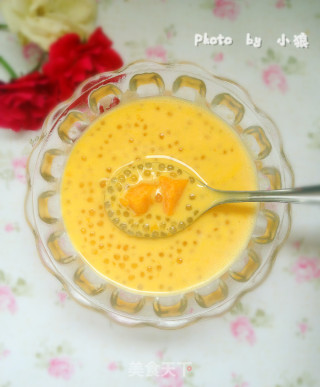

Tips: Coconut milk and sago with coconut fragrant, sweet and smooth. Hot drink is suitable for people with weak physique, postpartum recovery period, indigestion, fatigue and fatigue; people with lung qi deficiency, tuberculosis, pulmonary dysfunction and cough can also be eaten cold. It is a refreshing summer drink.
1. Coconut juice contains sugars, fats, proteins, growth hormones, vitamins and a large number of trace elements necessary for the human body. Drinking regularly can benefit vitality, replenish intracellular fluid, expand blood volume, moisturize the skin, and have a beauty effect. .
2. Sago is produced in the Nanyang Islands. The pure white sago is called Zhenzhuxigu, which is white and smooth, and has plenty of nutrition. suitable for majority of the people. It is suitable for people with weak constitution, postpartum recovery period, indigestion, mental fatigue, people with deficiency of lung qi, tuberculosis, pulmonary fistula and cough, and fasting for people with diabetes.
3. Mango fruit contains sugar, protein, and crude fiber. The carotene, the precursor of vitamin A, contained in mangoes is extremely high, which is rare in all fruits. Secondly, the vitamin C content is not low. Minerals, proteins, fats, sugars, etc. are also its main nutrients.
4. Although mango has high nutritional value, it is not suitable to eat too much. Mango contains more irritating substances. When eating mango, it is easy to get mango juice on the mouth, cheeks and other parts, irritating the facial skin, causing facial redness, swelling and inflammation. In severe cases, red, swollen and painful eyes may occur. After eating, wash away the mango juice meat remaining on the skin around the lips in time to avoid allergic reactions.

 Buy on JD
 Buy on Amazon