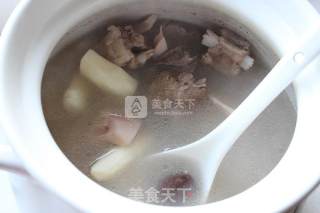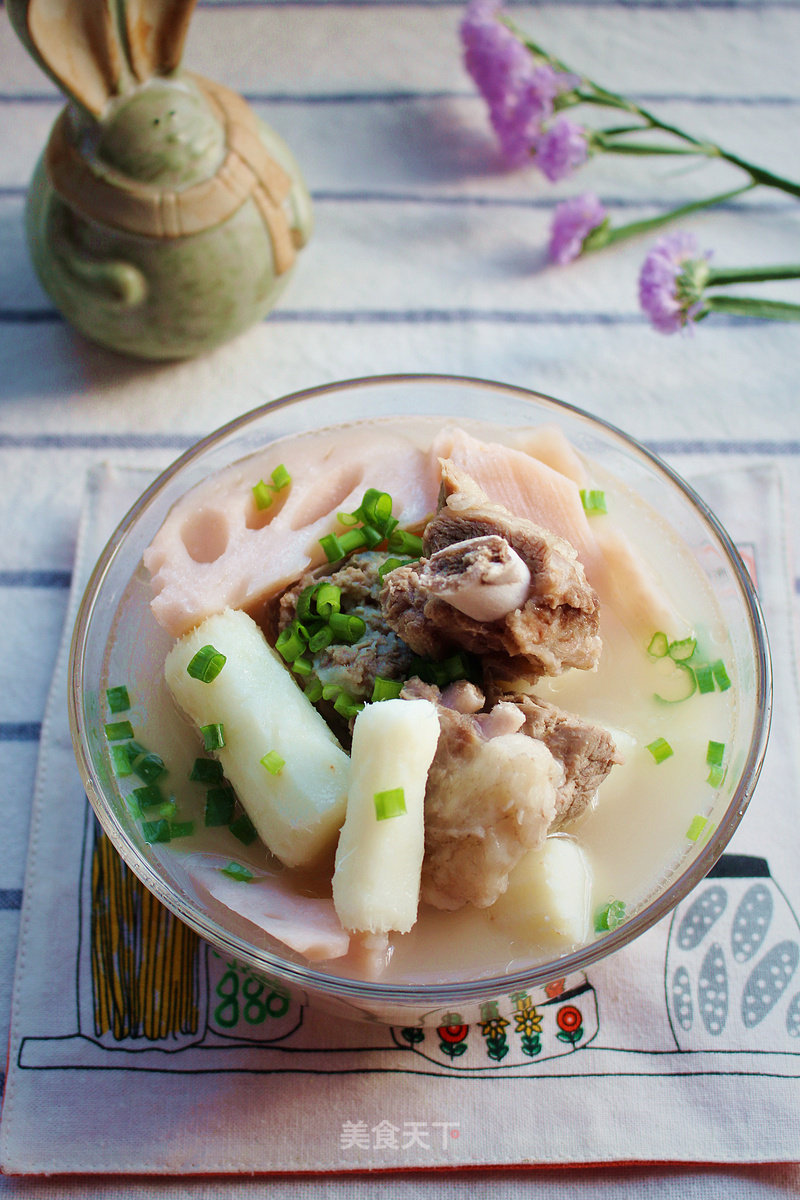

Lotus Root and Yam Pork Ribs Soup
by Xiao Dong Niu@kitchen
Favorite
7
Difficulty
Easy
Time
2h
Serving
2
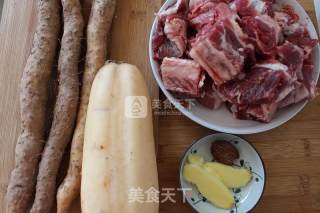
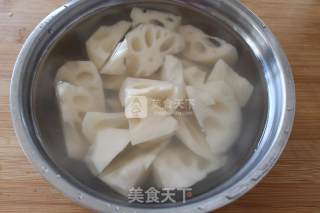
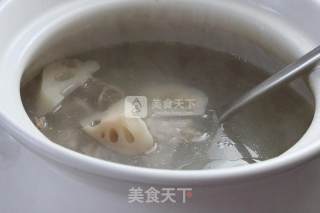
In winter, you must eat more stem vegetables such as lotus root and yam. As the saying goes, "Lotus root is a treasure, autumn lotus root is the most replenishing person." After autumn and winter, lotus root will be sold in large quantities, and in winter, lotus root is mostly noodles, which is most suitable for soup. The lotus root cooked in a slow fire is pink in color, and it tastes noodles and is delicious. Lotus root nourishes yin and clears away heat. It is most suitable for people with yin deficiency and fire.
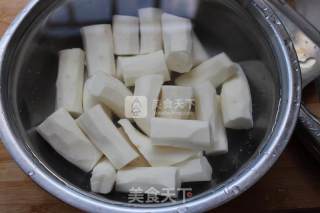
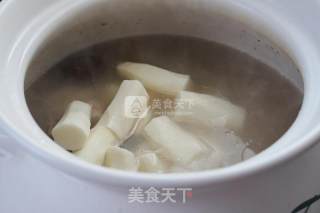
Needless to say, the benefits of iron stick yam are not only to replenish the qi of the spleen, lungs and kidneys, but also to nourish the yin of the spleen, lungs and kidneys. It is a treasure that nourishes both qi and yin. Stick yam, it just happens that the company will take two more days off, so I have time to cook a pot of lotus root and yam pork rib soup. "
Needless to say, the benefits of iron stick yam are not only to replenish the qi of the spleen, lungs and kidneys, but also to nourish the yin of the spleen, lungs and kidneys. It is a treasure that nourishes both qi and yin. Stick yam, it just happens that the company will take two more days off, so I have time to cook a pot of lotus root and yam pork rib soup. "
 Buy on JD
 Buy on Amazon