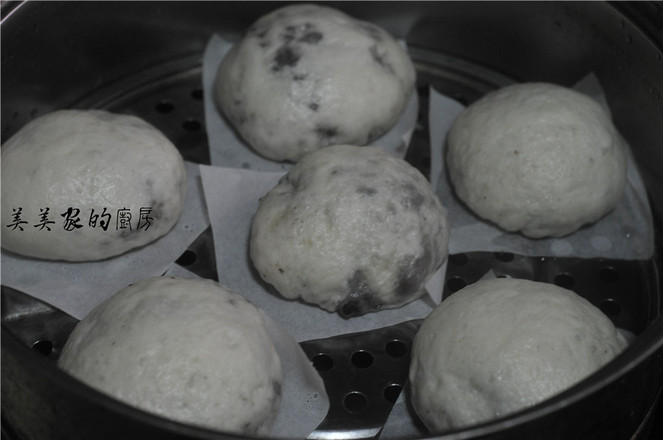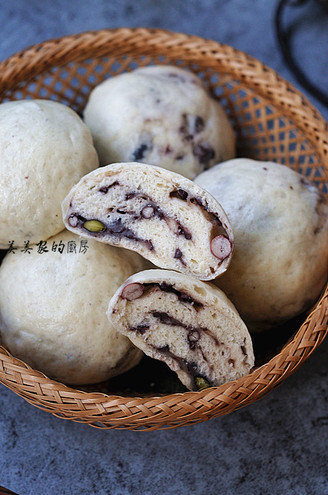

Multigrain Buns
by Meimeijia's Kitchen
Favorite
Difficulty
Normal
Time
2h
Serving
2
Ever since I learned how to do this with flour, I no longer have to worry about what to eat for breakfast! One bite down, full of energy!
China is a country where "people take food as the heaven", and there are many kinds of special snacks and delicacies. One of these foods can stand tall among many traditional noodles. No matter how other delicacies change, it still captures a large number of loyal noodles with its simplicity and health. It is steamed buns.
Steamed buns with white flowers have always been loved by people. But eating steamed buns alone will inevitably feel dull, so you might as well try some tricks to get a double upgrade from the appearance and taste! Today, Meimei brings you a super nutritious multigrain steamed bun roll, which is more nutritious than steamed buns and simpler than steamed buns. Eat it for breakfast in summer, full of energy!
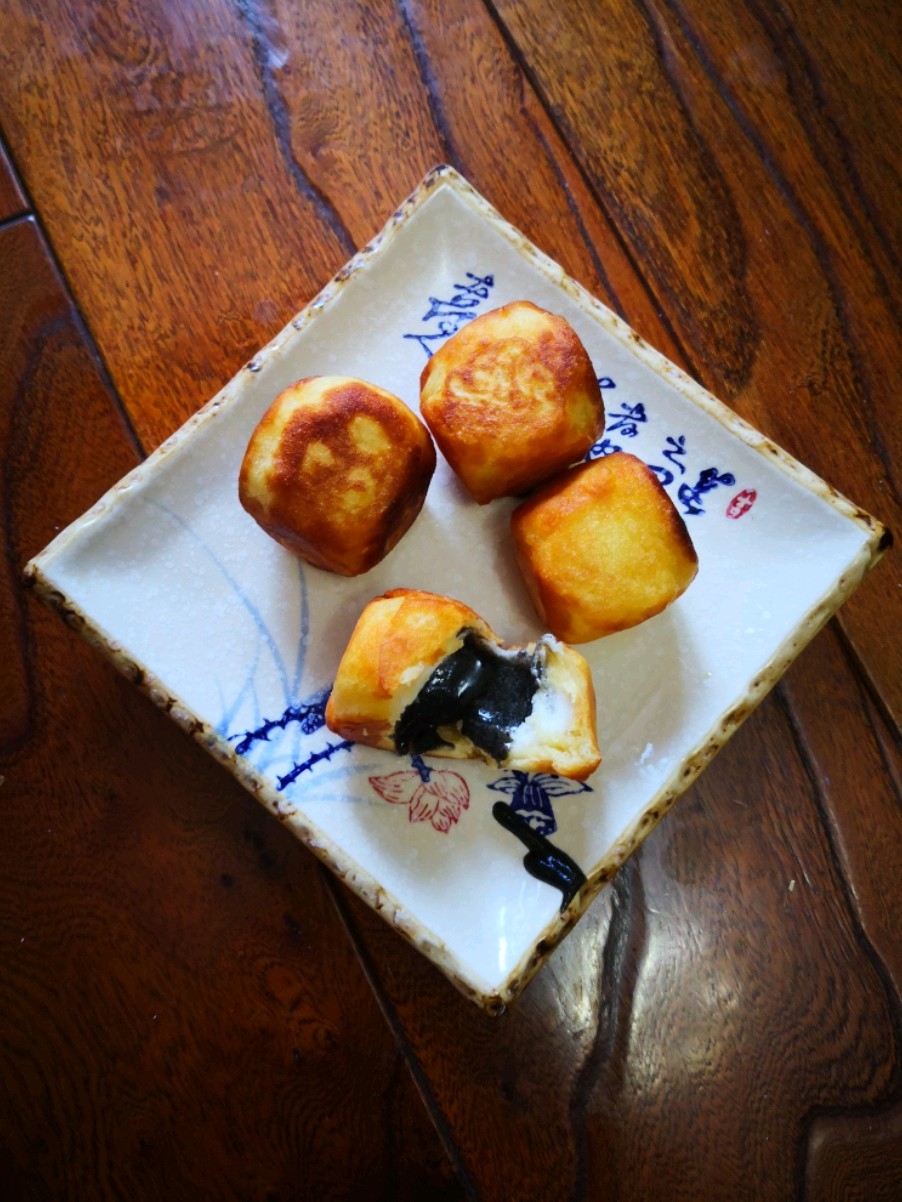
Today I recommend this multi-grain steamed bun. The method is very simple, and the requirements for kneading are not high. The noodles can also be easily dented, allowing you to escape the magic of "just look at it, just make it." The soft and glutinous taste of all kinds of grains is so soft that you can't help but love it! Whether it's a breakfast or a snack, it's great, so hurry up and learn!
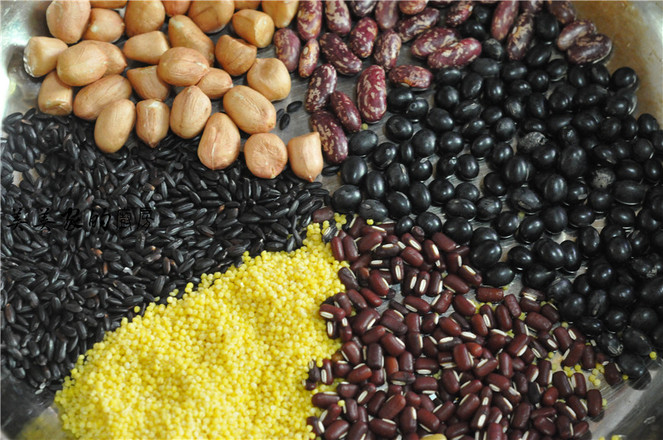
Nowadays, there are many kinds of noodles, and only the varieties with good taste, high value and rich nutrition can make people eat it all! This new type of noodles is fully in line with the requirements of our new era. The ordinary dough is filled with various grains and beans. The nutrition is more balanced and complete. The taste is also richer. One bite, light beans. Brings natural sweetness, the real thin skin and big stuffing! One bite is very satisfying! It tastes better than steamed buns and has more nutrition!
In practice, the requirements for dough are not very high, so basically as long as you can knead noodles, you can succeed. It is simpler than steamed buns. Let's take a look at the specific methods.
 Buy on JD
 Buy on Amazon