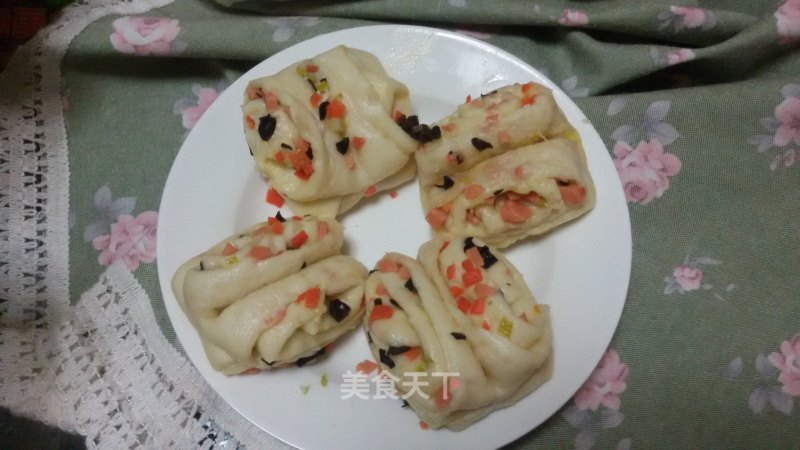
[northeast] "flower" Roll
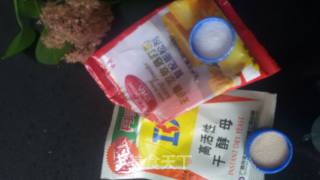
1. Use mineral water bottle cap to measure yeast and baking powder, usually about 5 grams per bottle cap.
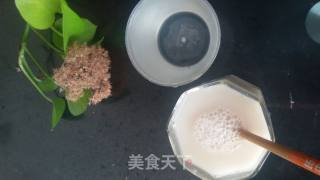
2. The ratio of water to noodles is general: 1:2, that is, two cups of noodles and one cup of water. Rinse the yeast out of the lid of 1 mineral water bottle with warm water that is not hot, and set it aside.
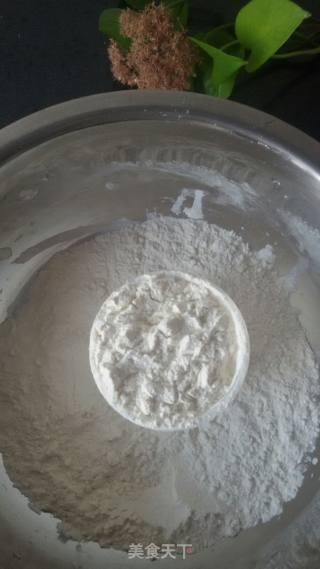
3. 2 cups of flour. . .
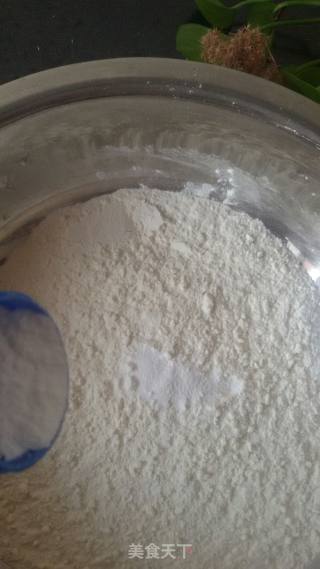
4. Most mineral water bottle caps are baking powder. . .
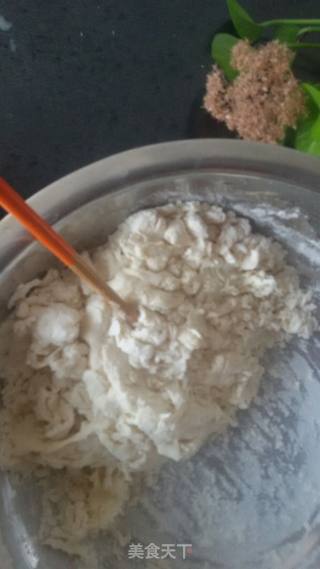
5. Pour the yeast water and stir the noodles into spikes with chopsticks. . .
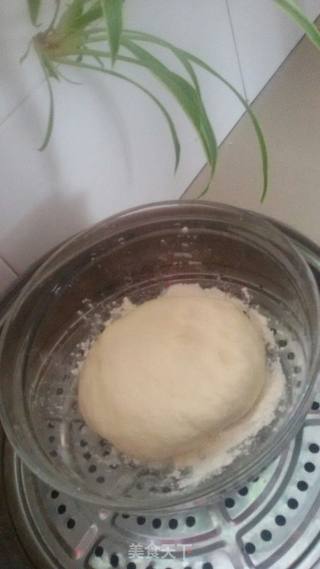
6. And into a smooth dough. . .
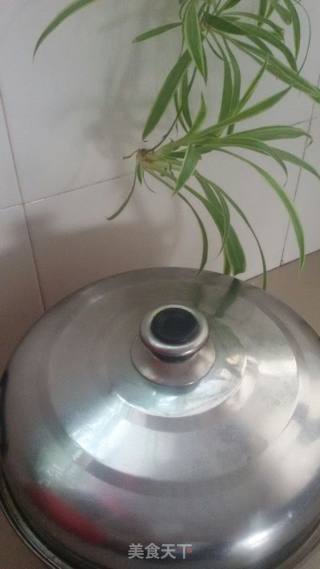
7. Put the dough in a steaming pot to ferment. . .
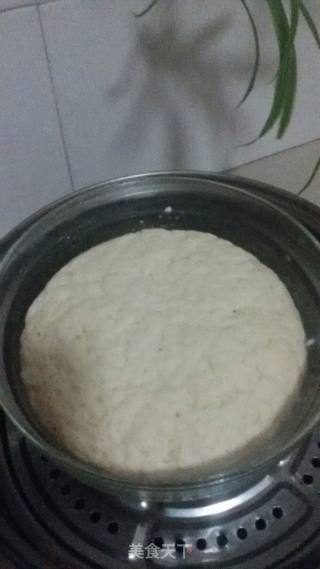
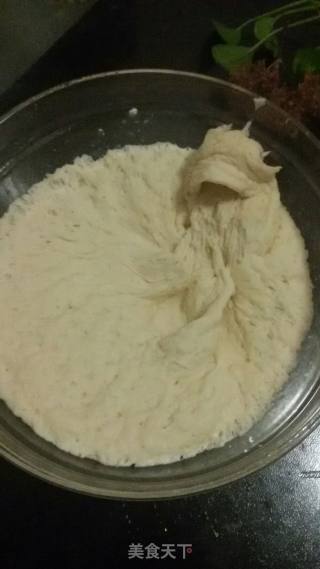
8. After more than an hour, the noodles have been well developed and become twice the size of the original dough. . .
9. The surface is fluffy and full of honeycombs. . .
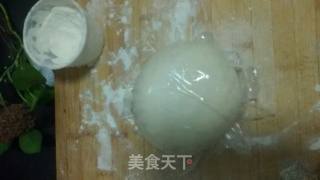
10. Knead and knead the cooked noodles to form the original dough. . . Cover with plastic wrap and place on the chopping board for 20 minutes. . .
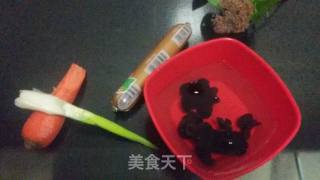
11. Sausage, fungus, carrots, green onions, chopped into small pieces. . .
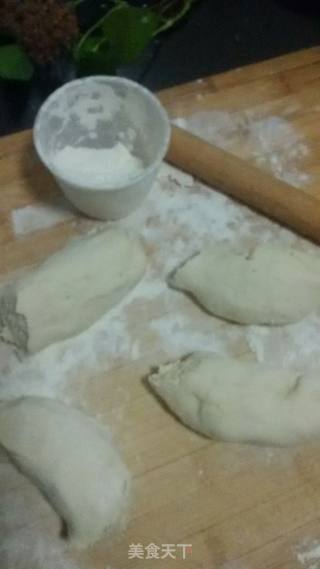
12. Knead the good dough again, knead it into a ring, and pull it into a suitable size agent. . .
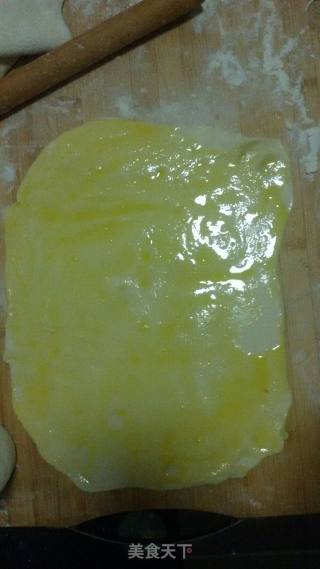
13. Roll the ingredients into large thin slices, and spread oil, salt, and pepper noodles. . . Spread evenly. . .
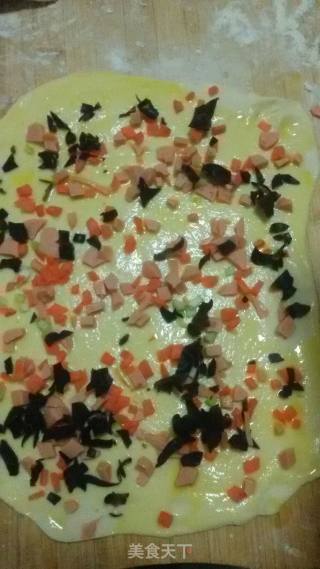
14. Sprinkle with sausage, fungus, carrots, and chopped green onions. . . Sayun. . .
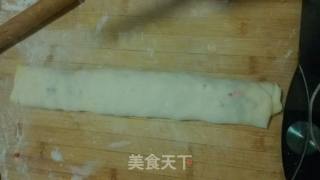
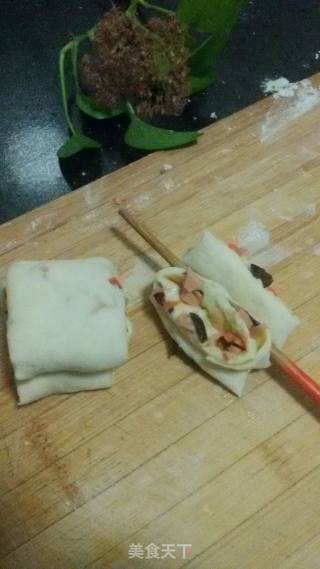
15. Roll up the dough sheet. . .
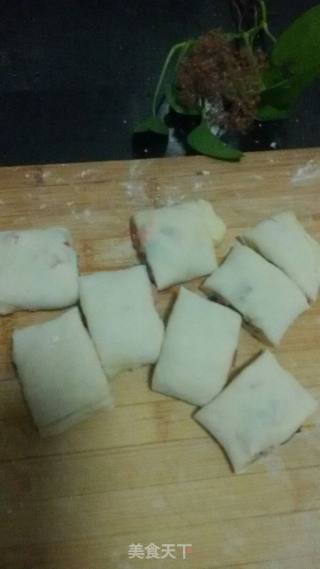
16. Cut horizontally about 3 to 4 cm wide. . .
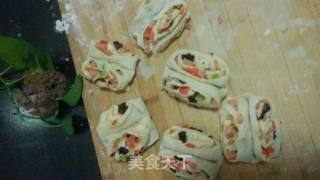
17. The two sections are stacked up and down in the same direction. . . Use chopsticks to press vertically in the middle. . .
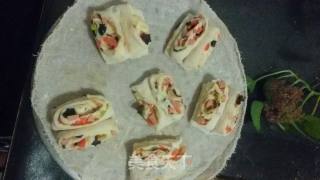
18. Arrange the pressed flower rolls. . .
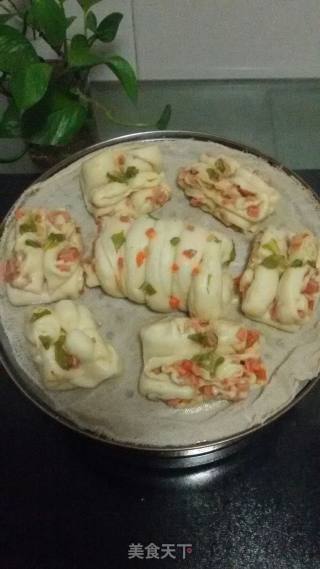
19. Add cold water to the steamer, put a drawer cloth on the curtain, and put the flower rolls away. . . Cover the pot for another 20 minutes. . .
20. After the high heat is steaming, turn to medium heat and steam for 15 minutes, then turn off the heat. . . Remember: Do not open the lid immediately, wait 5 minutes before opening. . .
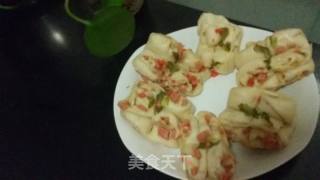
21. Get the pot. . .
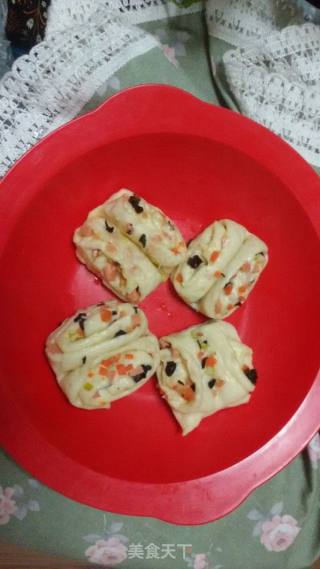
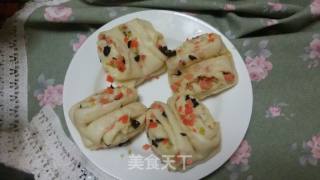
22. Lay out. . .
23. Lay out. . .
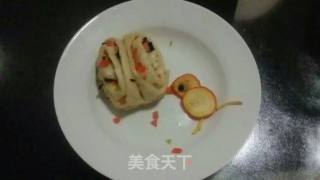
24. Pose. . . Happy Year of the Rooster!
Tips: 1. For beginners, it is advisable to have more yeast but not less. . .
2. The noodles must be kneaded. . .
3. The finished Hanamaki still needs 饧. . .
4. Do not open the lid immediately after turning off the heat. . .
* Hanamaki has various shapes, which is the easiest to learn. . . For more tricks, there are many recipes in the gourmet world. . .

 Buy on JD
 Buy on Amazon