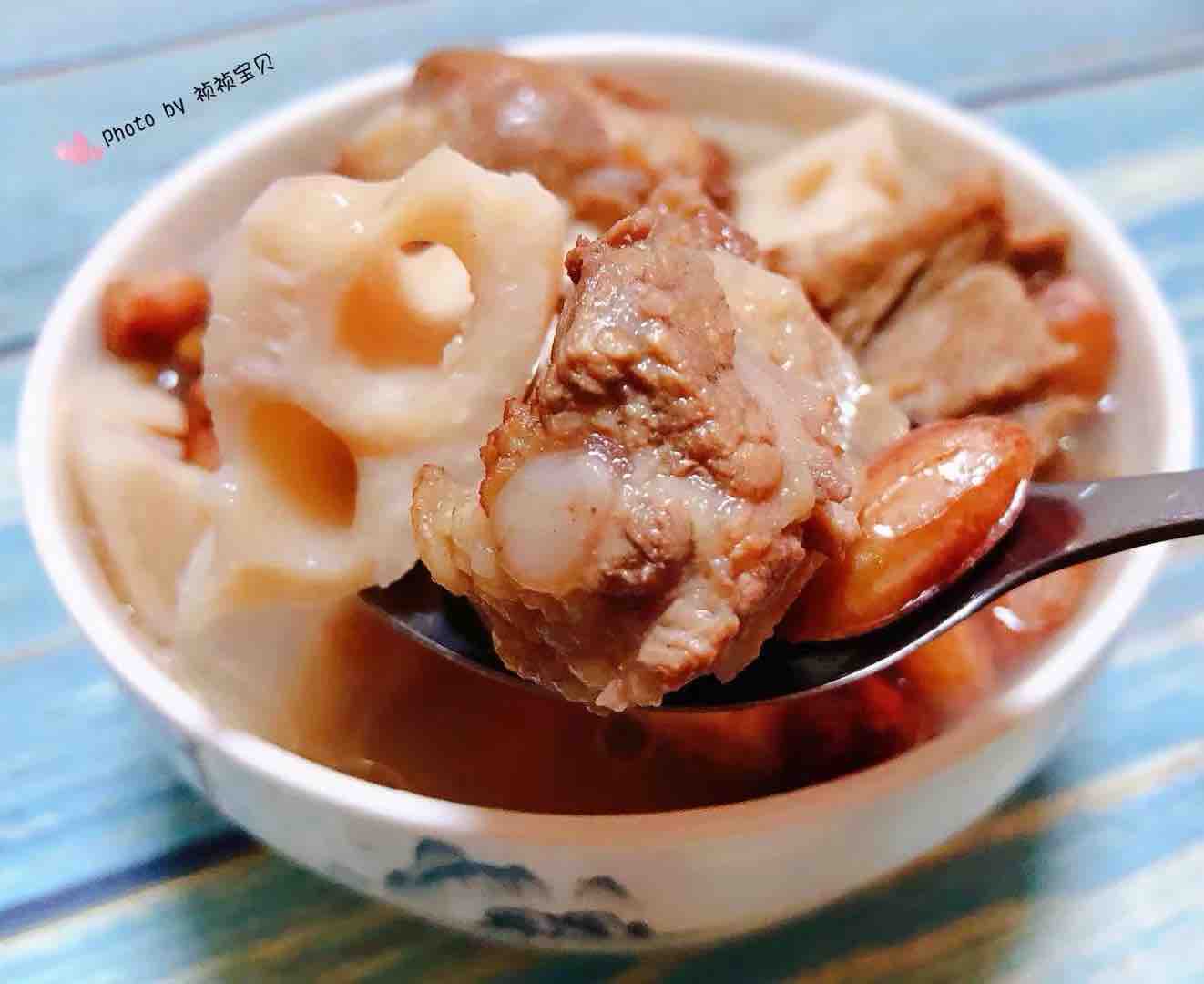
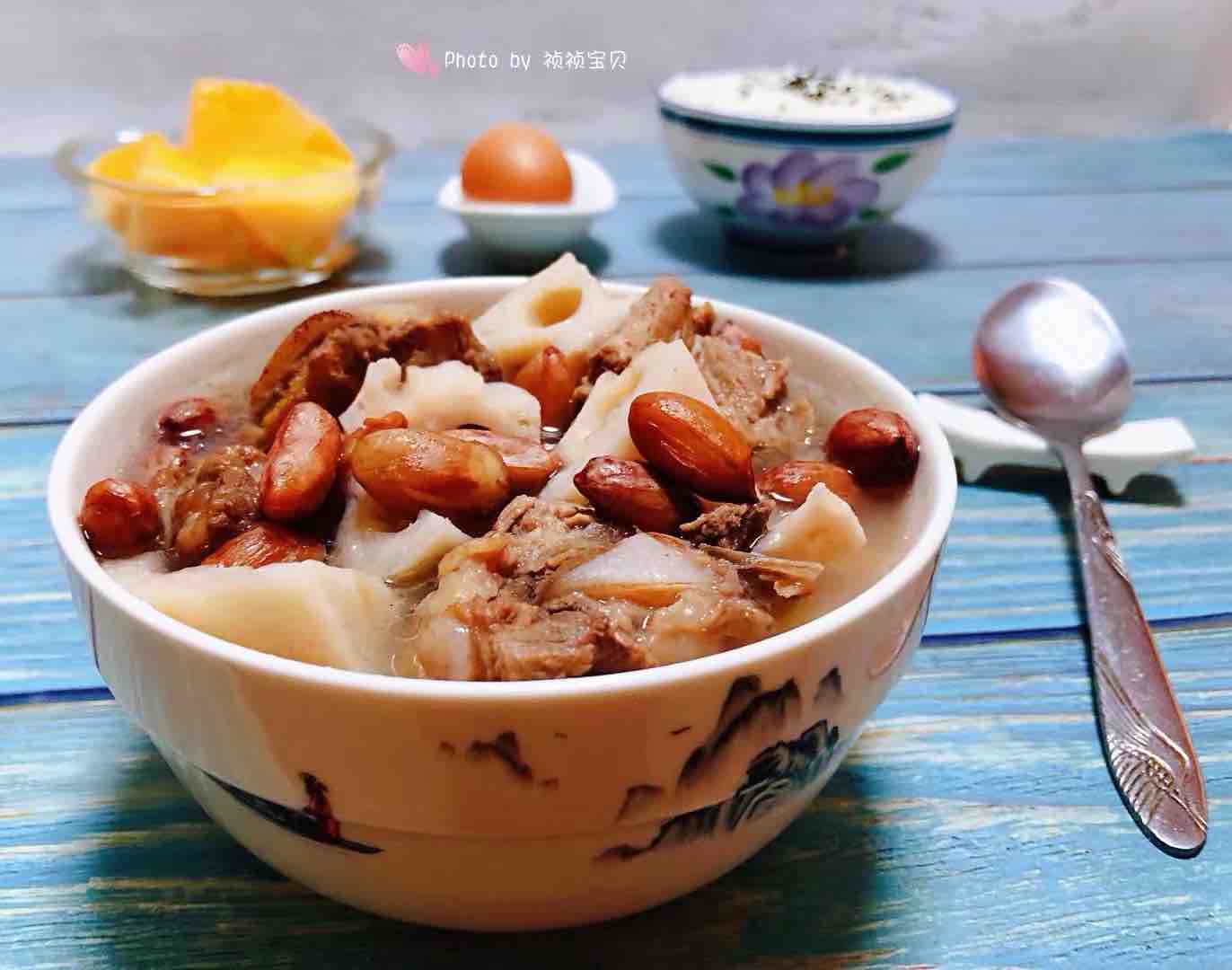
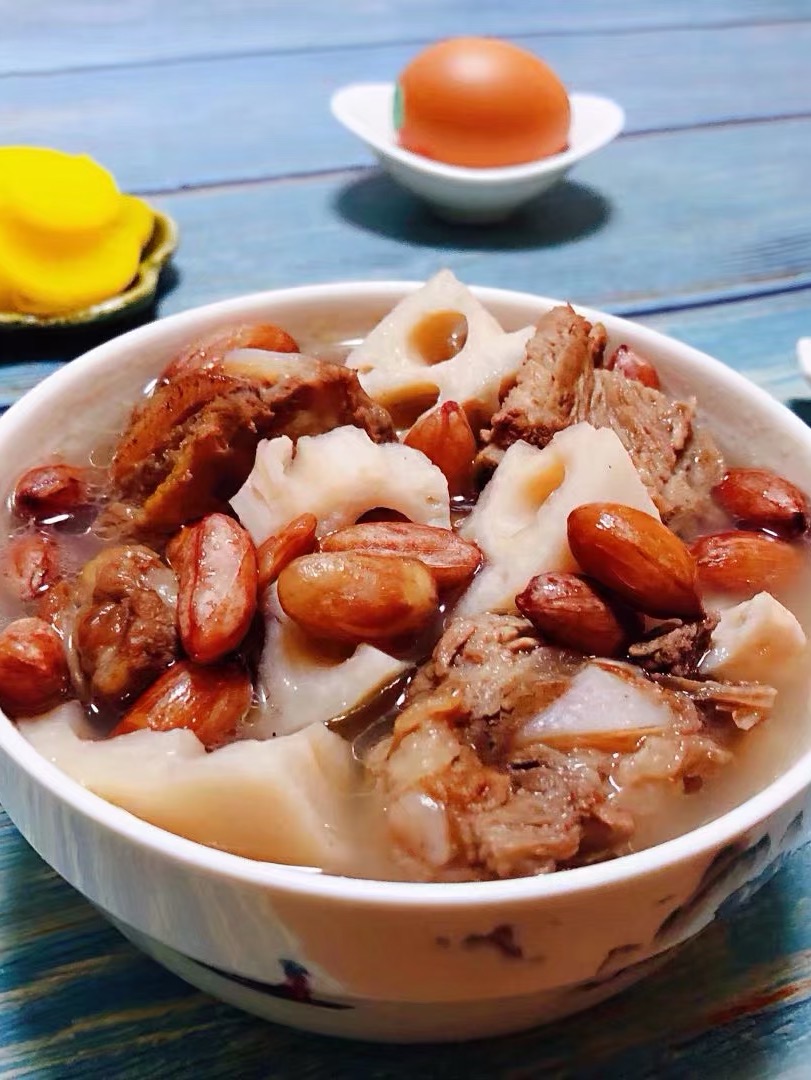
Peanut Lotus Root Pork Rib Soup
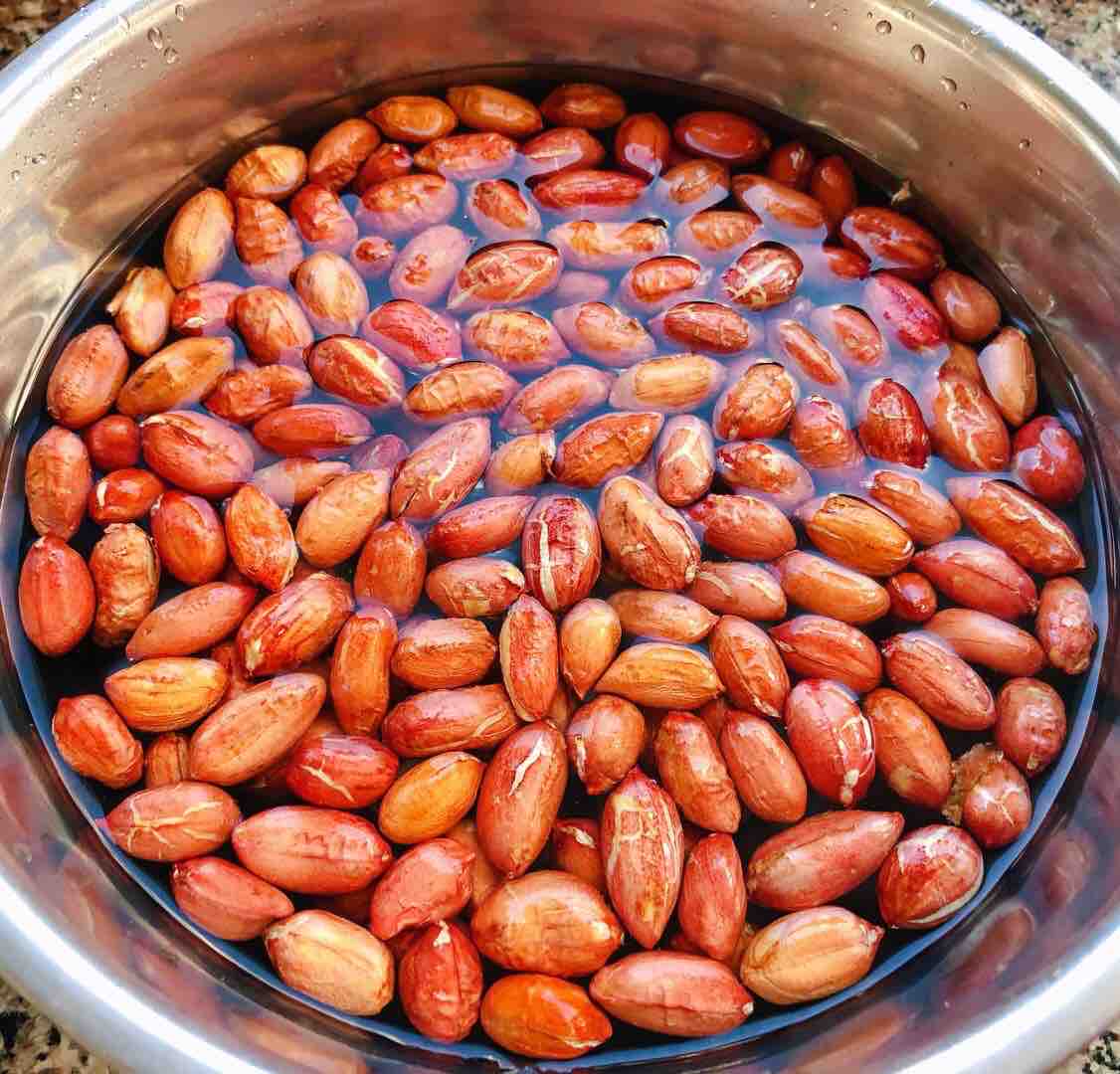
1. Wash the peanuts and soak them in clean water for half an hour so that the stewed peanuts taste better
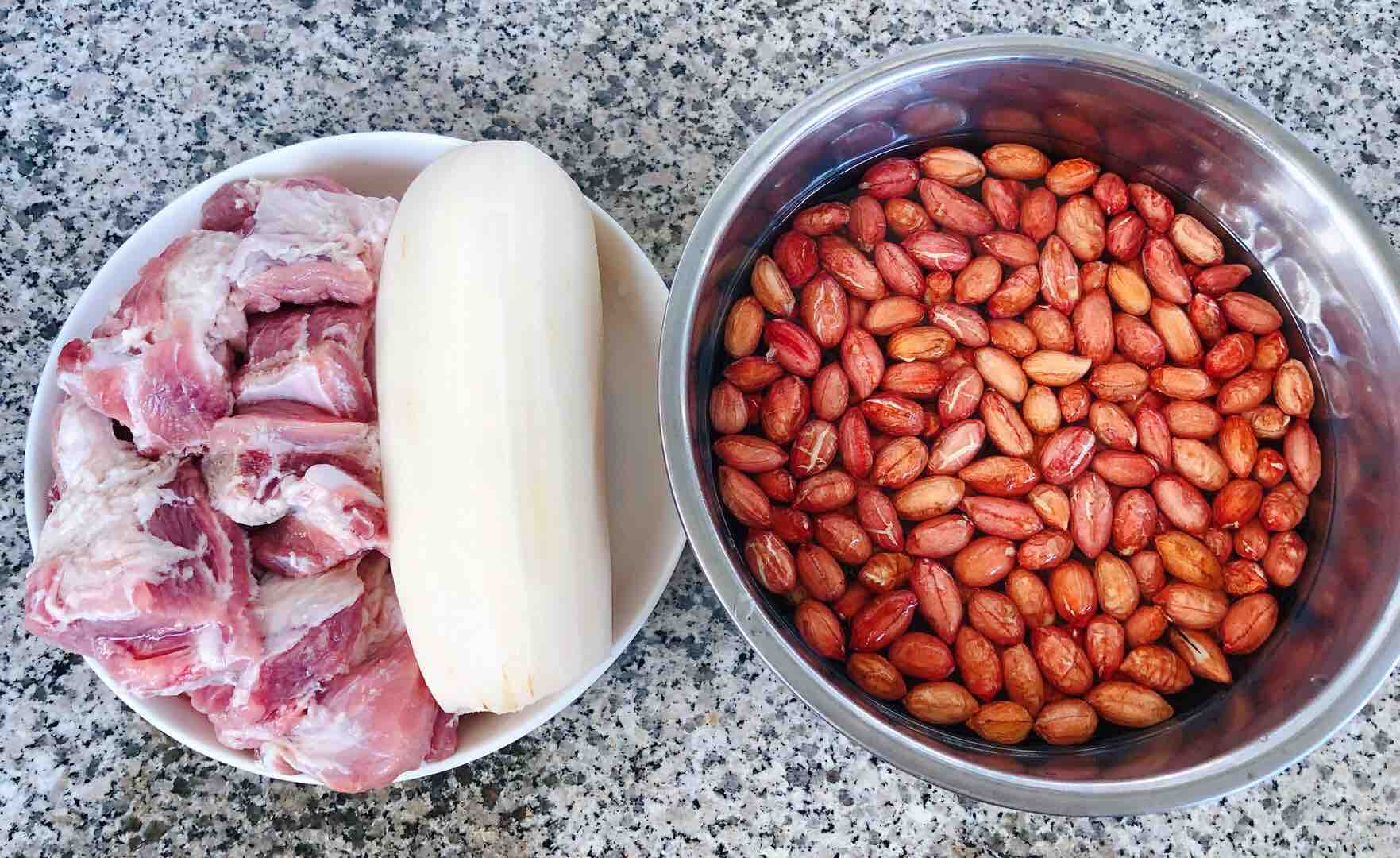
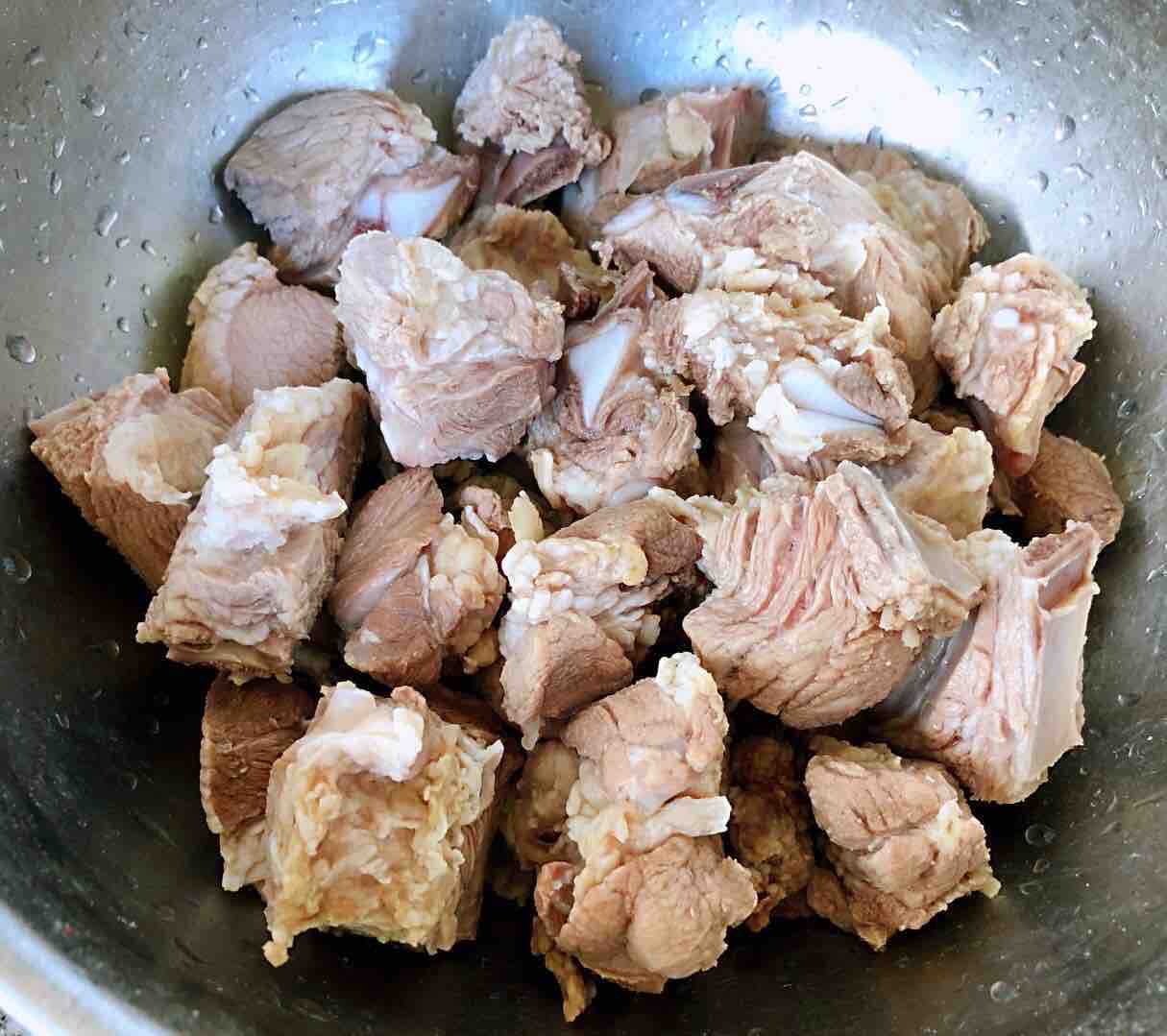
2. Prepare raw materials, peanuts, lotus root, peeled and washed, and ribs are soaked in clean water for half an hour to remove blood, rinse and drain.
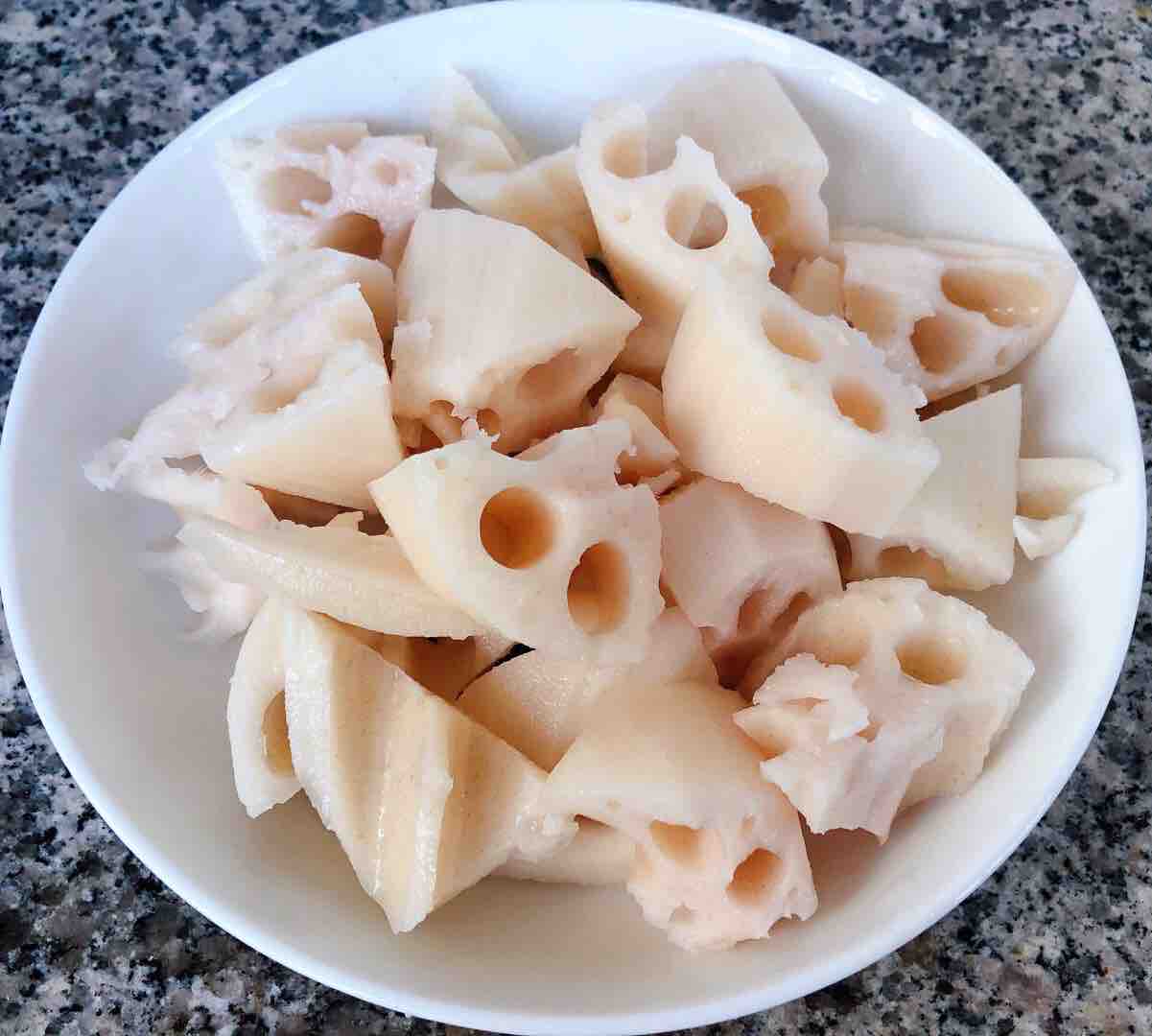
3. Cut the lotus root into pieces, blanch it in boiling water, immediately put it in cold water and let it cool to drain.
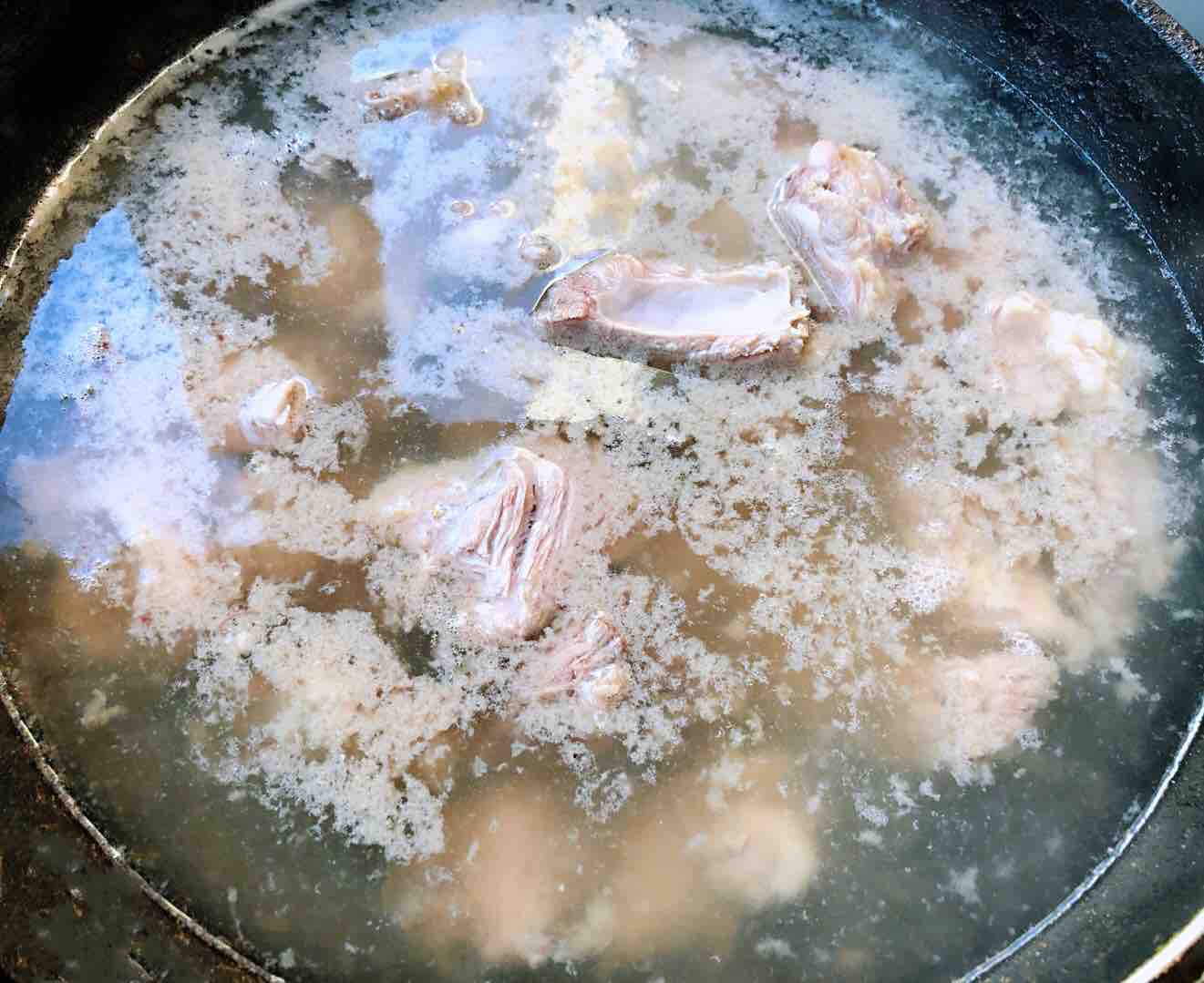
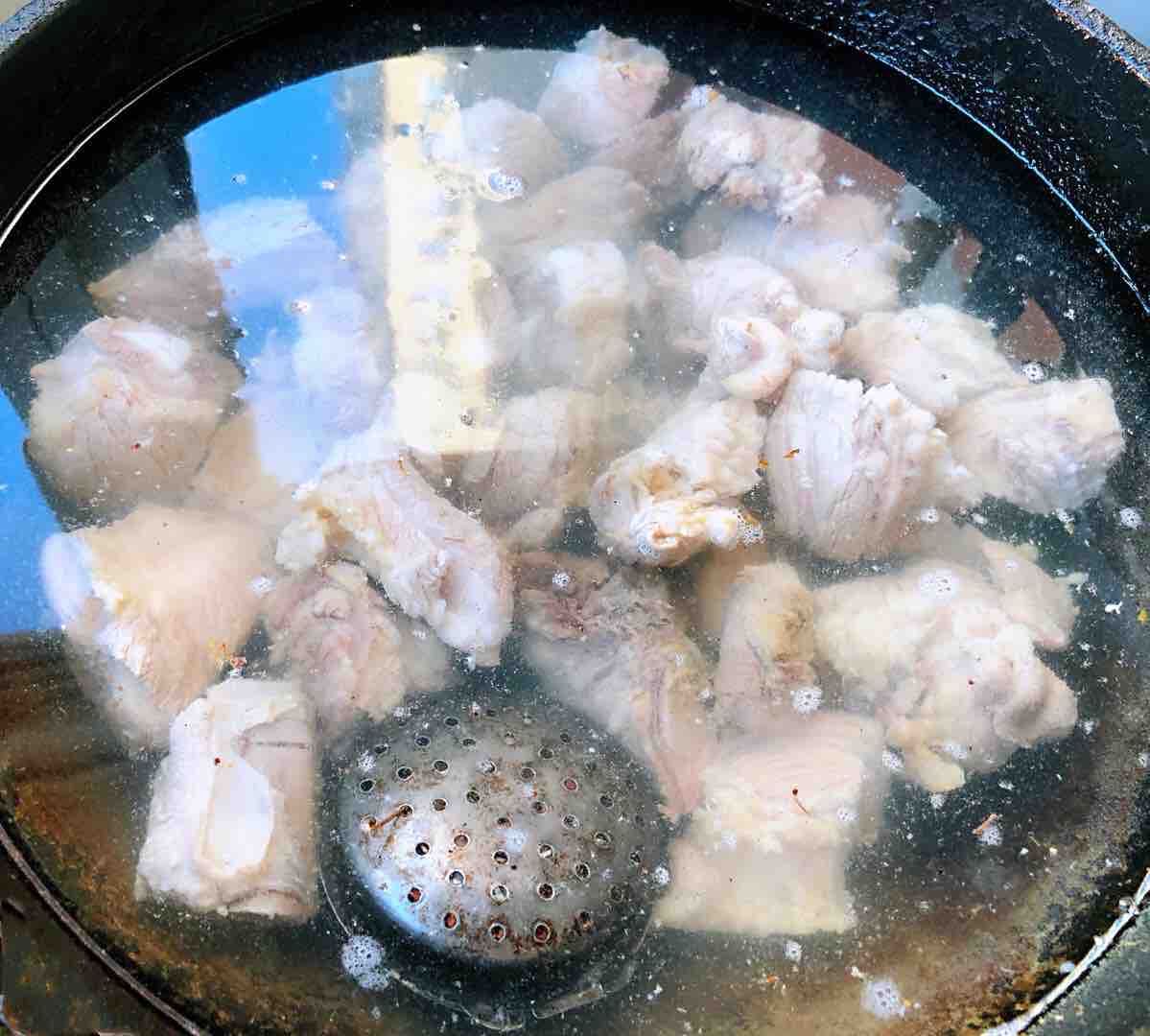
4. Boil water in a pot and put the ribs in blanching water to remove impurities and grease
5. The blanched ribs are immediately rinsed in cold water and drained
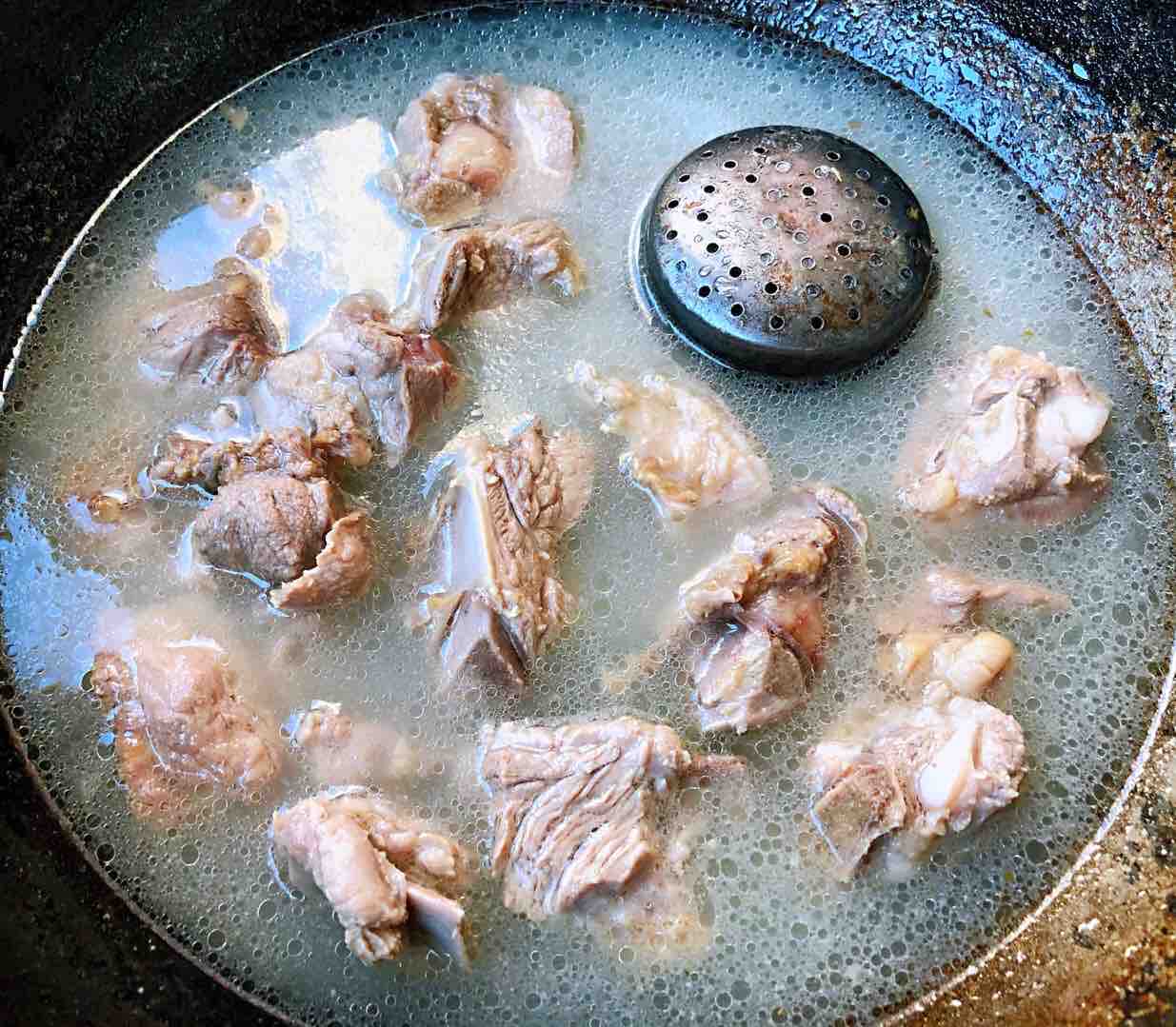
6. Put the ribs in the pot, pour some water into the seasoning box (ginger, pepper, star anise) and cook over high heat
7. Cook until the ribs are 8 mature
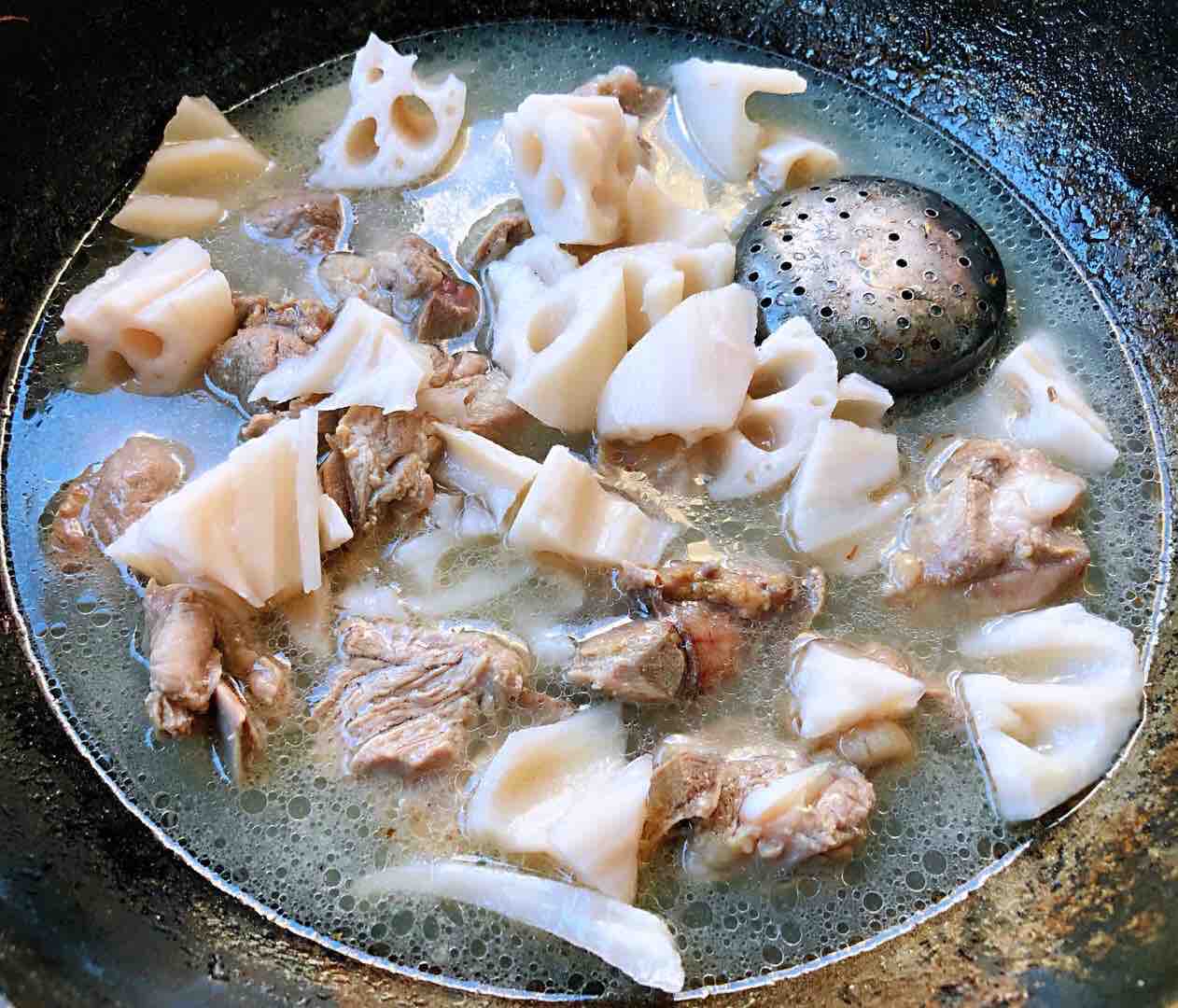
8. Put in the lotus root and simmer for five minutes
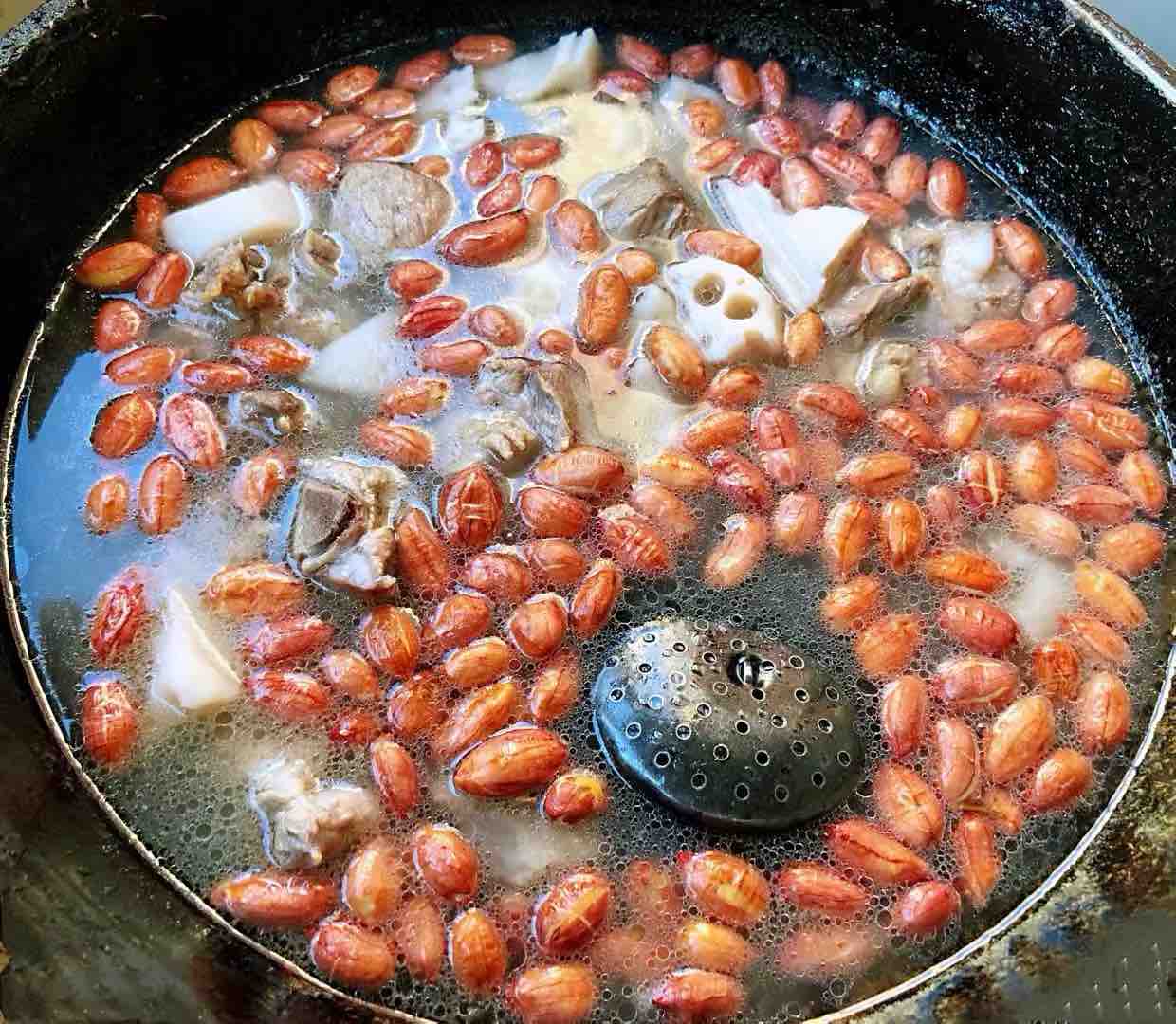
9. Add peanuts and cook for ten minutes
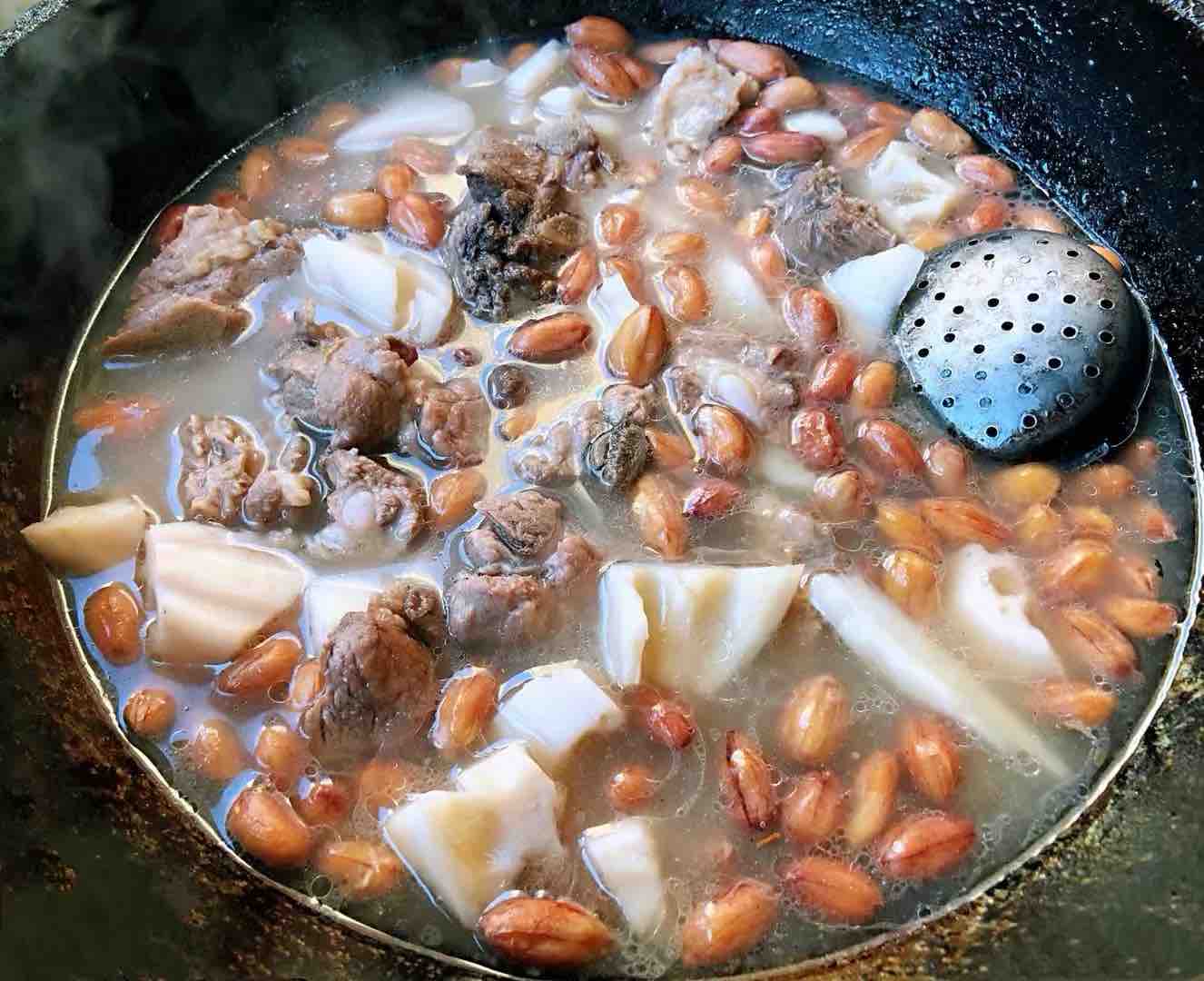
10. Stew until the lotus root and peanuts are cooked and not soft, add salt and monosodium glutamate to season evenly, then serve
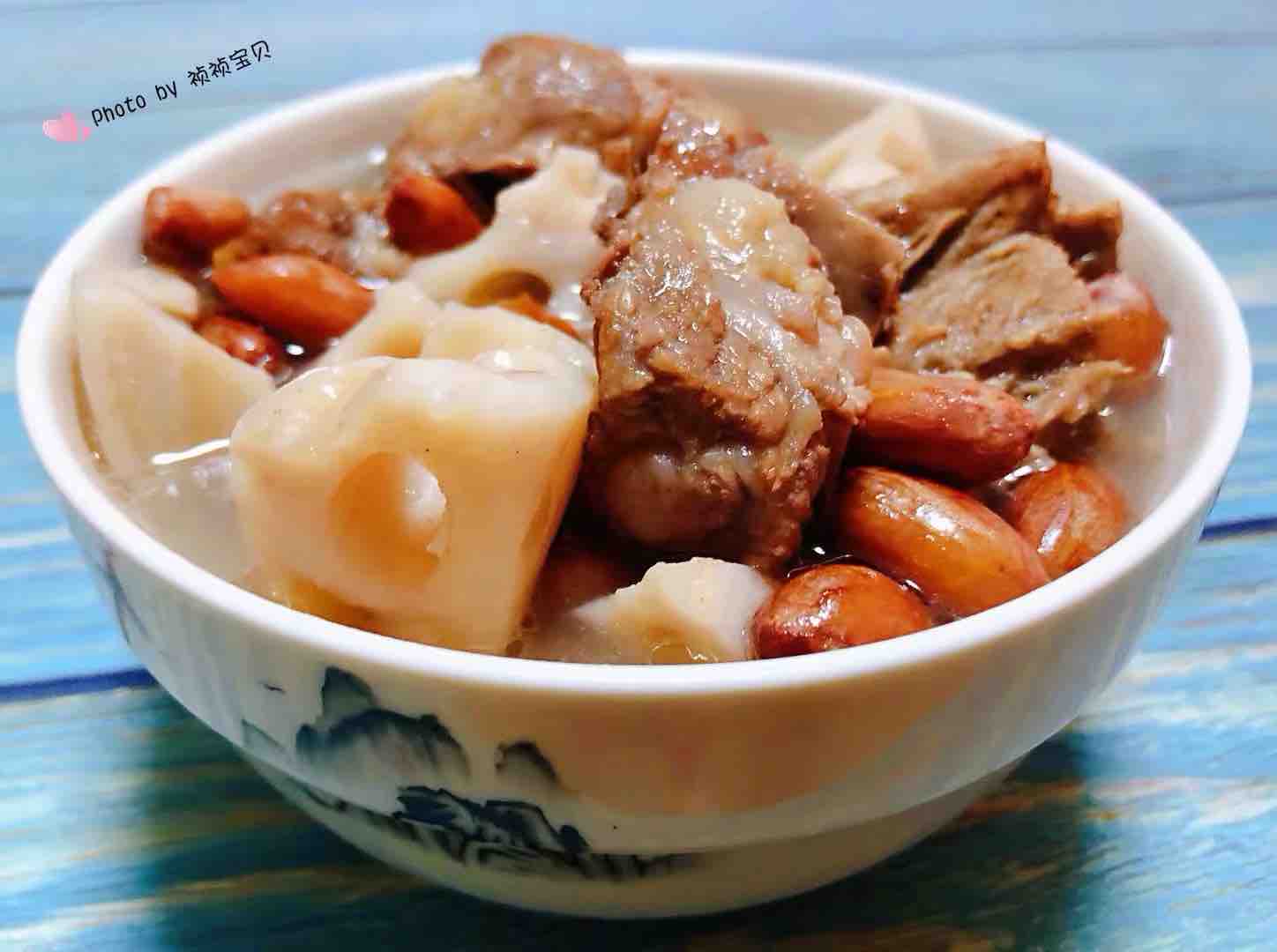
11. Put the peanut lotus root ribs soup into a container and you're done
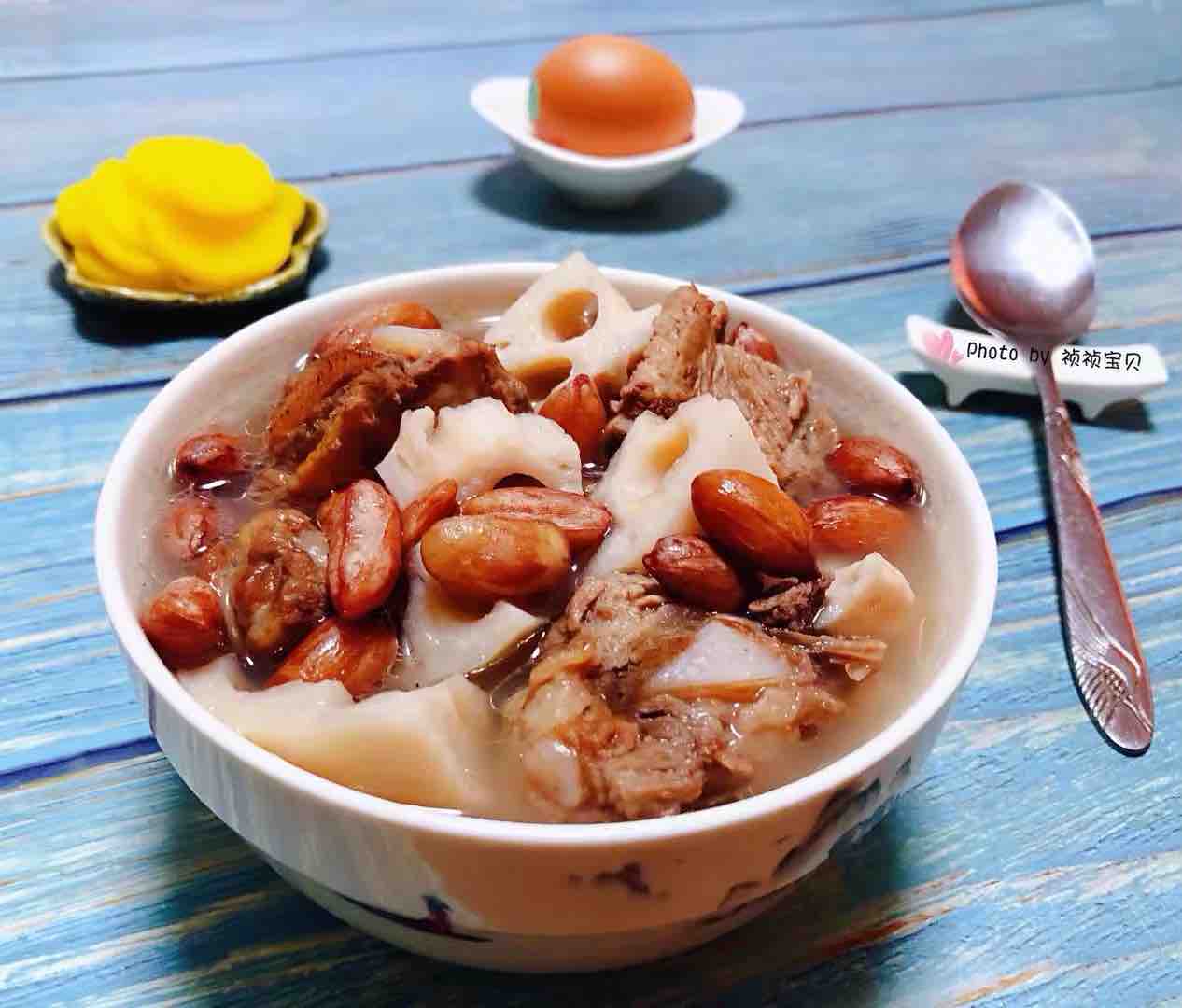
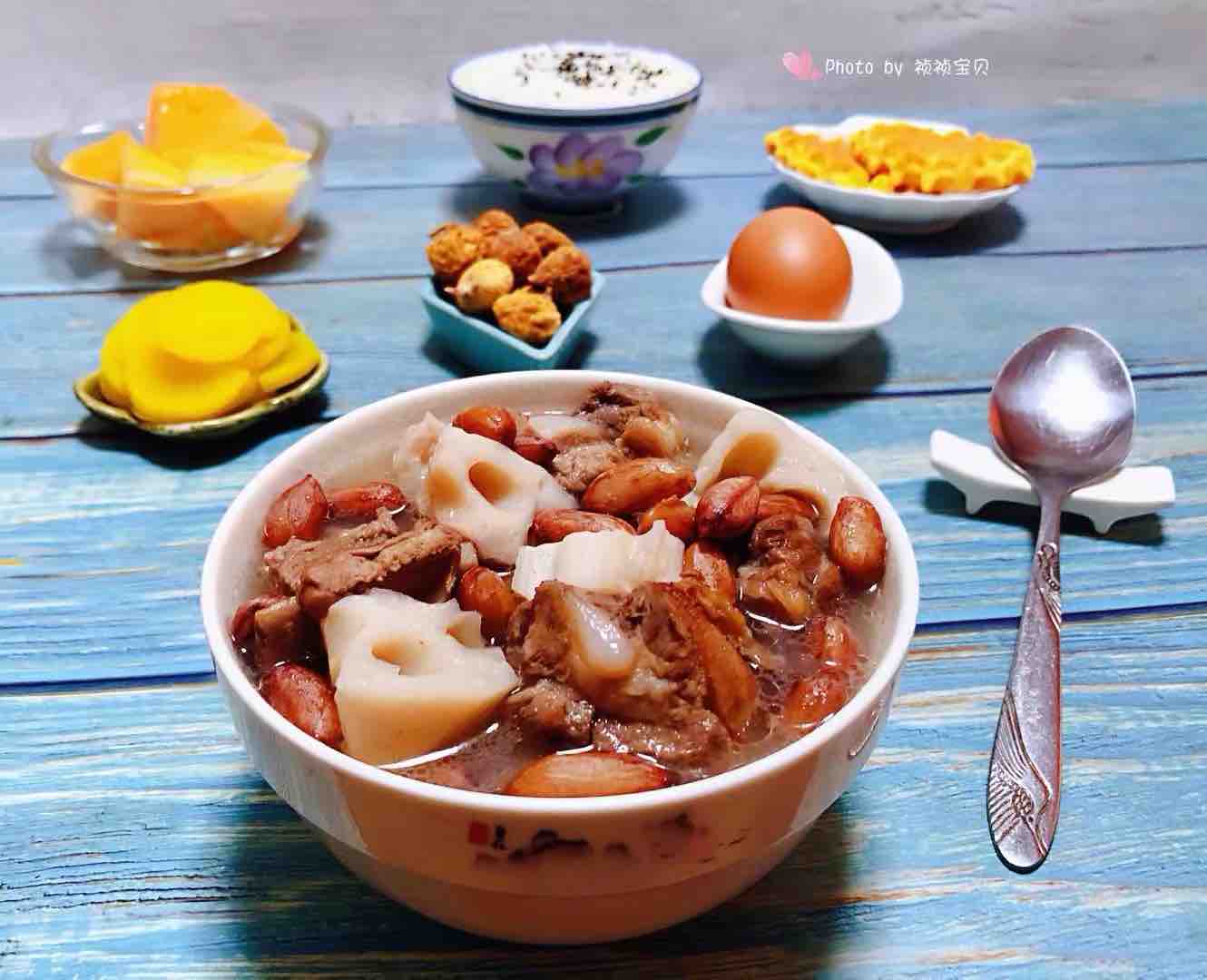
12. It is delicious with an egg and small pickles
13. The entrance of the ribs is mixed with the fragrance of lotus root and peanuts. It really leaves the mouth and teeth with an endless aftertaste.
14. The nutritious value of peanut lotus root ribs soup is very rich. Regular consumption is good for the body.
15. No. The problem is something that a nutritious breakfast cannot solve.

Tips: The lotus root is slightly sweet and crisp, and can be eaten raw or cooked. It is both edible and medicinal, with high nutritional value. The large freshwater lakes in southern China are rich in lotus roots, with Hubei being the most, they are called water eight immortals. Fresh lotus root is rich in carbohydrates, dietary fiber, vitamins and a variety of minerals. The lotus root also contains mucopolysaccharides, which are important nutrients for improving immunity and strengthening the body. The lotus root is used for cold in nature, has the effect of clearing heat and cooling blood, and can be used to treat febrile diseases. The lotus root is sweet and juicy, can nourish yin, clear away heat, and dispel fire. It is an ideal food for patients with fever and thirst. Lotus root contains tannins, has the effect of invigorating the spleen and stopping diarrhea, can increase appetite, promote digestion, appetite and invigorate the body, and is beneficial for those with poor appetite and loss of appetite to restore their health. Regular consumption of lotus root can nourish qi, promote muscles and resist aging.

 Buy on JD
 Buy on Amazon