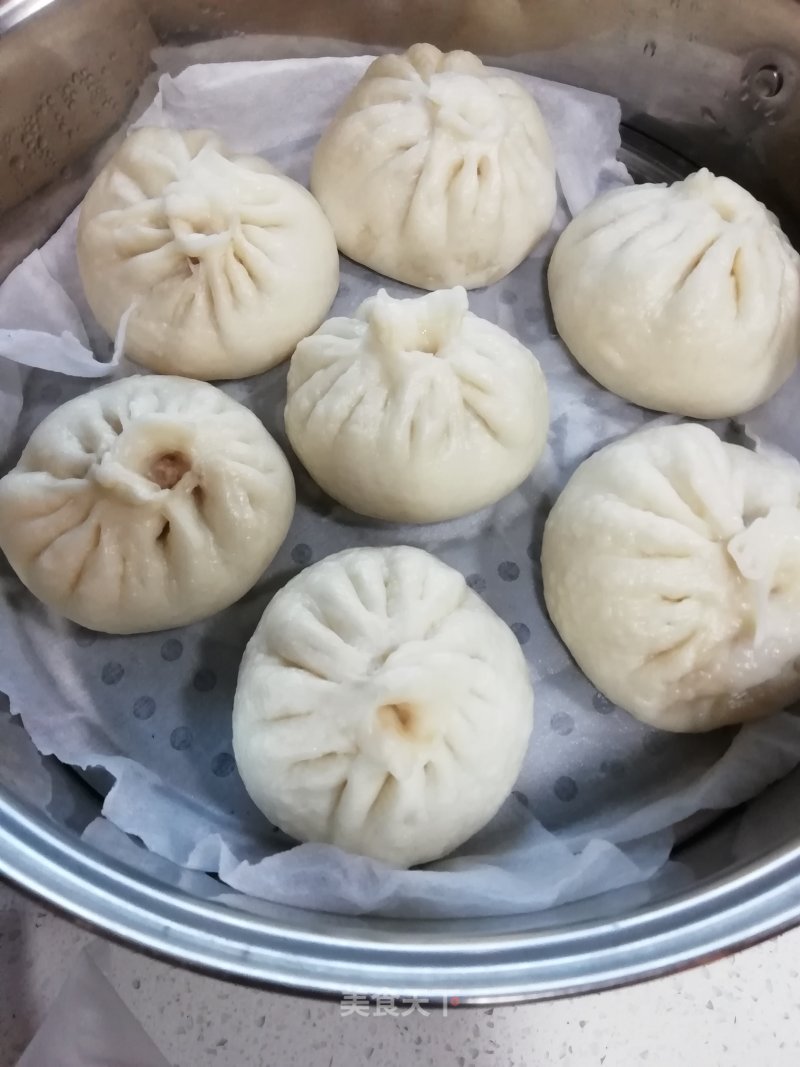

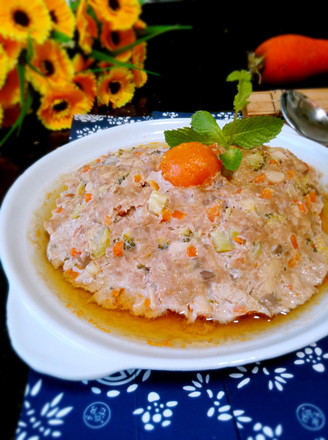
Pork and Carrot Stuffed Buns
by Elemental Eater
Favorite
Difficulty
Easy
Time
1h
Serving
2
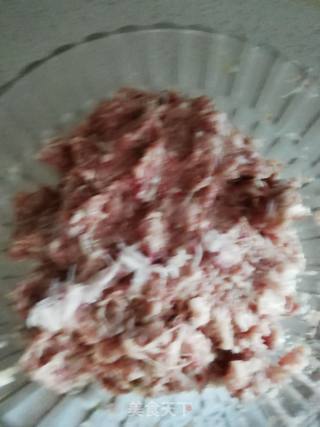
1. Pork stuffing, minced green onion and ginger, cooking wine, soy sauce, sesame oil, and salt (the salt should be less than the usual stuffing), put them in a larger basin.
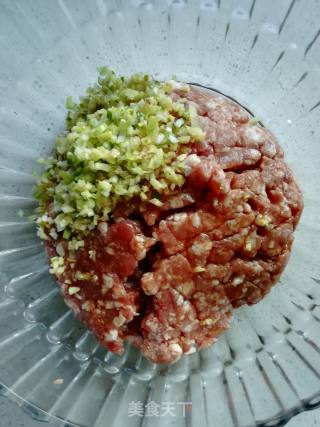

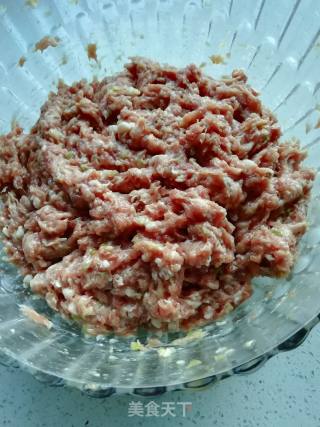
2. Prepare a bowl of water before mixing the stuffing. Do not pour water into the stuffing at once. Add water while stirring until the stuffing is dry and wet. Do not add any more water. Use 4 chopsticks to stir in one direction until vigorous. Cover with plastic wrap and put in the refrigerator to taste.

3. Wash one big carrot.
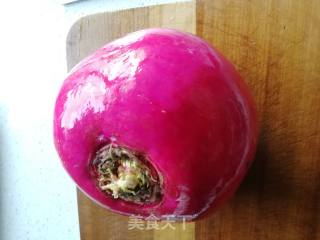

4. Cut the radishes into shreds with a flapper, then sprinkle some salt on the shreds and mix well (sprinkling salt can not only remove the water in the radishes, but also remove the spiciness of the radishes).
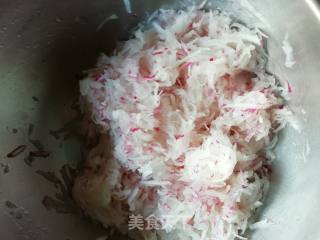

5. Put the flour and baking powder in a bowl, dissolve the yeast with warm water, and let it stand.
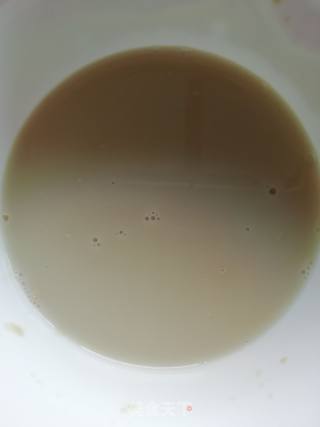

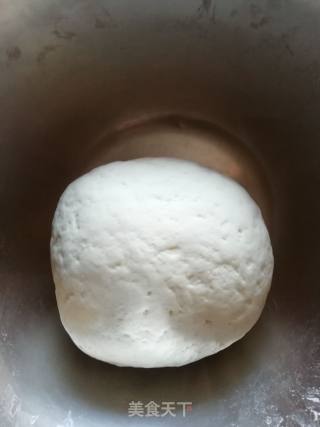
6. Pour the yeast water into the flour bowl and mix the noodles with warm water (the warm water here refers to putting your fingers in the water, the water temperature is slightly higher than the temperature of the hands). Cover the noodles with plastic wrap and leave to ferment in a warm place.

7. The shredded radish picks up the moisture and mixes the meat evenly.

8. Sprinkle a layer of dry noodles on the panel, place the cooked noodles on the panel and knead gently, pull out the agent of the right size, and roll the agent into a thicker and thinner dough on all sides.
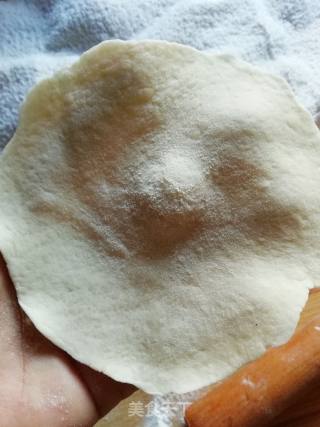

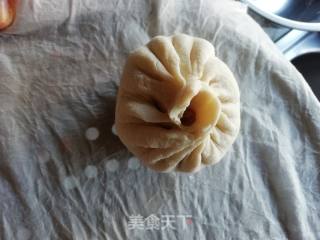
9. Add the right amount of filling, pick up a corner and pinch a circle counterclockwise, and close the mouth. Cover the steam curtain with wet cloth and arrange the wrapped buns, leaving a proper gap in the middle. Because the steamed buns will get bigger during the steaming process.

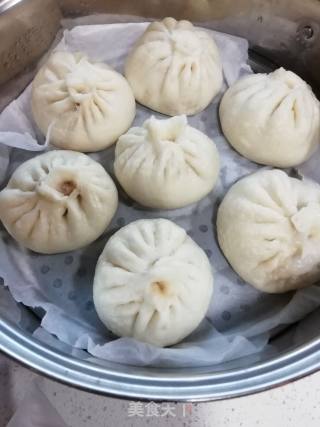
10. I steam it in a hot pot with cold water. Turn on high heat. After SAIC, turn to medium heat for about 15 minutes. Don't lift the lid immediately after turning off the heat. Wait 3 or 5 minutes.

Tips:1. Use warm water to mix the noodles because the room temperature and humidity in the spring and autumn of the northeast are not up to the standard, and warm water can better ferment.
2. After the dough is finished, when kneading and rolling the dough, don't use a lot of strength, don't crush the dough to death.
3. It's best to cover the gripped agent with a clean cloth, and leave the agent open for cracking and cracking.


 Buy on JD
 Buy on Amazon