Scallion Noodles
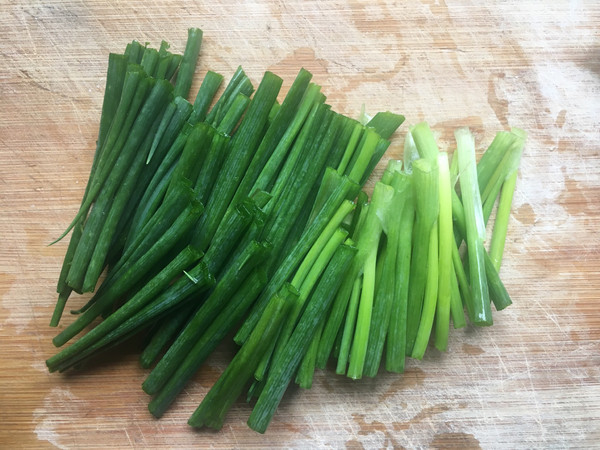
1. Wash the shallots in advance, cut off the white parts, leaving only the leaves of the shallots, cut into long and thin sections, and drain the water for later use;
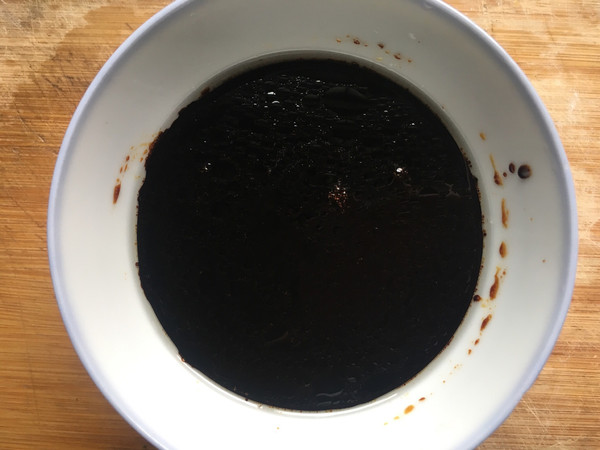
2. Pour the light soy sauce, dark soy sauce, and sugar into a bowl, stir evenly with chopsticks to form a juice for later use;
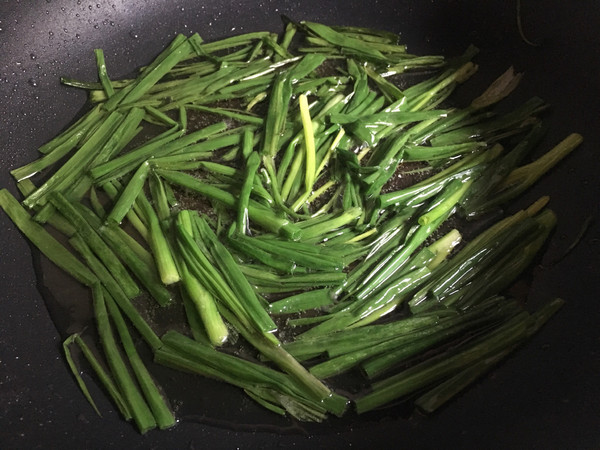
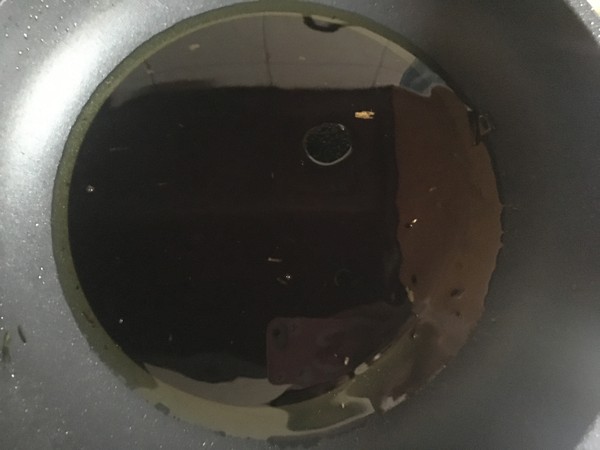
3. Pour the oil from the pot, add the green onion leaves to the oil at 70% heat, and boil slowly over a low heat throughout the process;
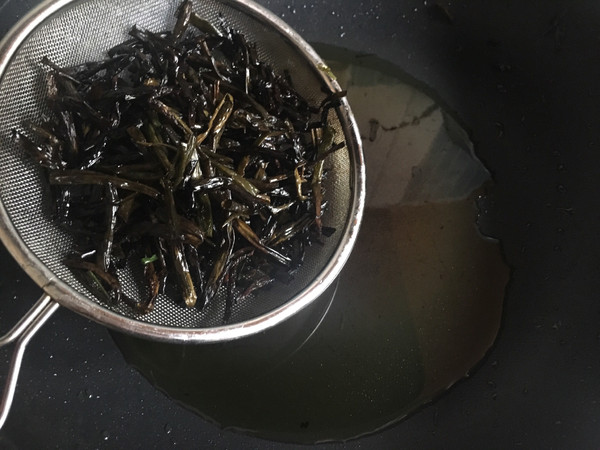
4. Check the color status of the green onion leaves from time to time during the cooking process, keep stirring to heat the green onion leaves evenly until the green onion leaves become crisp and dry. Fry the browned green onion leaves, remove the oil, and stop the fire to let the oil cool slightly;
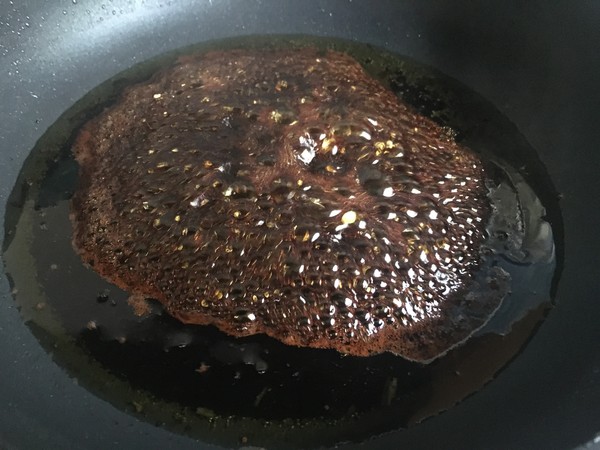
5. Pour the mixed juice into the oil;
6. Stir thoroughly, then continue to medium heat, boil the sauce until frothy, so that the scallion oil is prepared;
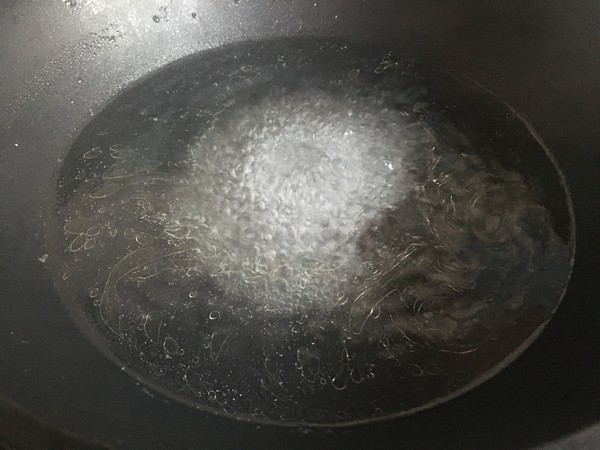
7. Pour more water from the pot;
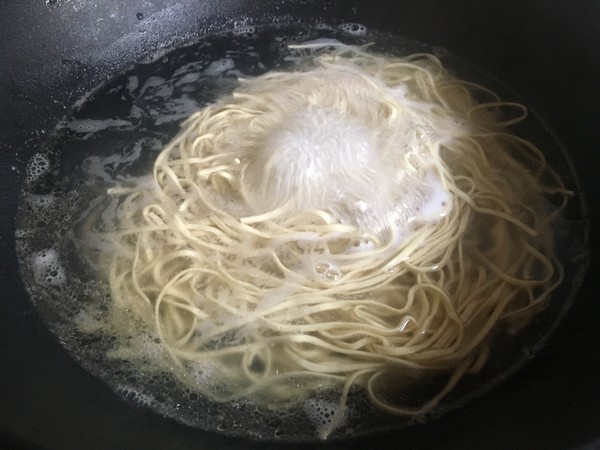
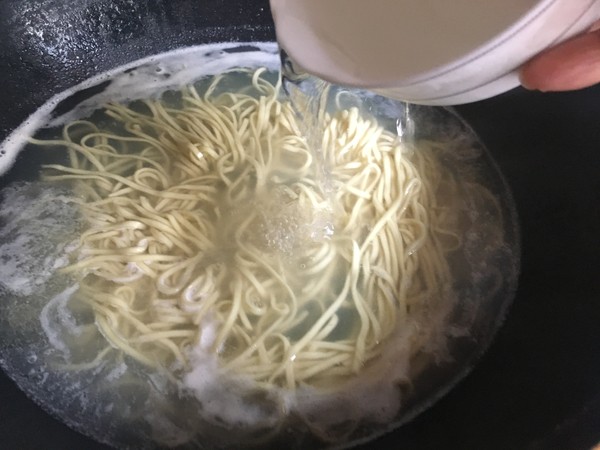
8. Boil until boiling. In order to effectively prevent the noodles from sticking and the floating powder of the noodle soup from overflowing the pot, pour some oil and salt before putting the noodles, and then use chopsticks to spread them out, so that the noodles are evenly distributed and heated more evenly;
9. After boiling, pour in a bowl of water and repeat twice, so that the noodles that are cooked alternately with hot and cold will be more chewy and refreshing;
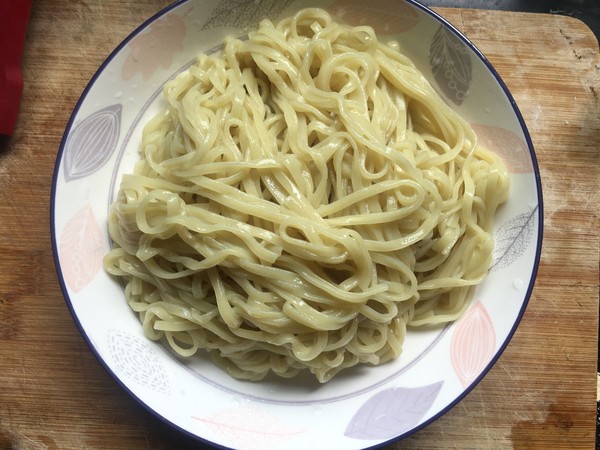
10. After the noodles are cooked, remove the cold water;
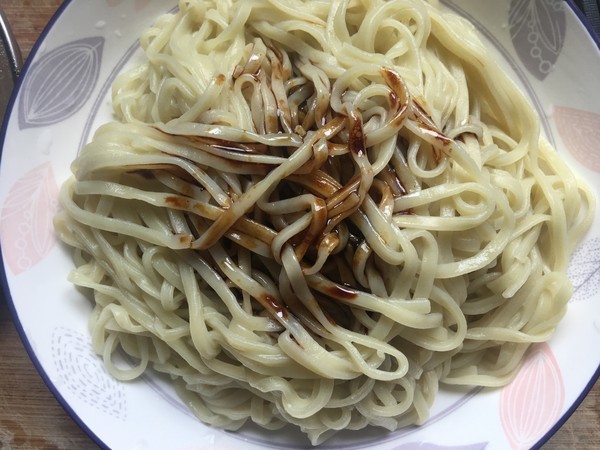
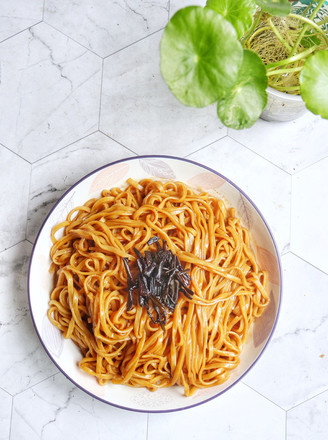
11. Top with scallion sauce and stir well;
Tips: 1. Draining the water on the onion can prevent the frying oil from splashing when it is put into the oil pan, reducing the potential for injury. If time is too late, you can use kitchen paper to control the surface moisture;
2. If the scallion part is fried together, first fry the scallion part until the color changes, and then add the scallion leaves;
3. Be sure to cool the oil temperature slightly before pour the seasoning, too high oil temperature will easily fry the pan when encountering liquid sauce;
4. Whether the noodles are exposed to water can be operated according to personal habits. Excessive water can wash off the excess starch to avoid adhesion and stirring is more convenient; the noodles that do not pass the water are directly mixed with scallion oil, so it is easier to adhere, so more scallion oil needs to be added some;

 Buy on JD
 Buy on Amazon