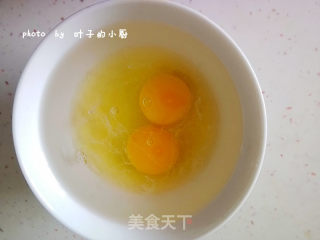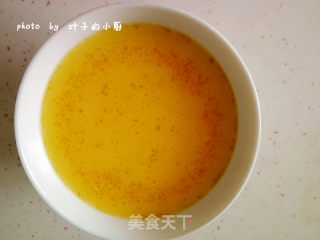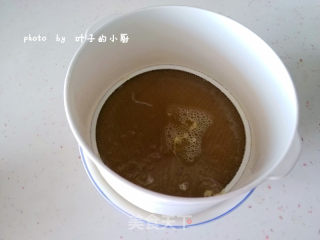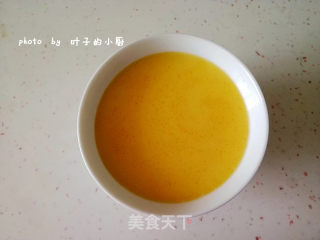

Steamed Egg Custard-----the Secret of Soft and Smooth Egg Custard
by Leaf's Little Chef
Favorite
Difficulty
Normal
Time
20m
Serving
2
The efficacy and role of eggs
1. Brain-building puzzle
Eggs have a great effect on the nervous system and physical development, and the choline contained in them can improve the memory of all age groups.
2. Protect the liver
The protein in the egg has a repair effect on liver tissue damage, and the lecithin in the egg yolk can promote the regeneration of liver cells. It can also increase the amount of human plasma protein, enhance the body's metabolic function and immune function.
3. Prevention and treatment of arteriosclerosis
American nutritionists and medical workers have used eggs to prevent and treat atherosclerosis, and they have obtained surprising and surprising effects. They extract lecithin from eggs, walnuts, and pig liver, and eat 4 to 6 tablespoons a day for cardiovascular patients. After 3 months, the patient's serum cholesterol decreased significantly, and satisfactory results were obtained.
4. Prevent cancer
According to the analysis of human cancer death rates worldwide, it was found that the death rate of cancer is inversely proportional to the intake of selenium. And eggs are rich in selenium.
5. Delays aging
One of the longevity experiences of many long-lived elderly people is that they must eat an egg every day.
6. Beauty skin care
Eggs are also rich in iron, which plays a role in hematopoiesis in the human body and transports oxygen and nutrients in the blood. The ruddy beauty of a person's face is inseparable from the iron element. Insufficient iron can lead to iron-deficiency anemia, causing a person's face to turn yellow and the skin to lose its beautiful luster. This shows that eggs are indeed one of the important foods to maintain the beauty of the skin.
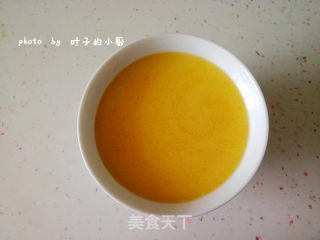
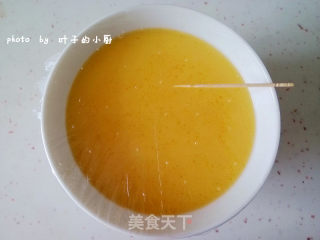
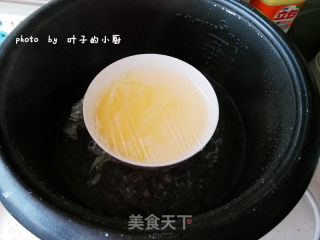
For breakfast, steam a bowl of smooth and tender egg custard with homemade walnut and peanut milk, which is absolutely healthy and delicious. Let the children feel the beginning of a new day in the nutrition and deliciousness, and let the children thrive in a happy and happy home! "
1. Brain-building puzzle
Eggs have a great effect on the nervous system and physical development, and the choline contained in them can improve the memory of all age groups.
2. Protect the liver
The protein in the egg has a repair effect on liver tissue damage, and the lecithin in the egg yolk can promote the regeneration of liver cells. It can also increase the amount of human plasma protein, enhance the body's metabolic function and immune function.
3. Prevention and treatment of arteriosclerosis
American nutritionists and medical workers have used eggs to prevent and treat atherosclerosis, and they have obtained surprising and surprising effects. They extract lecithin from eggs, walnuts, and pig liver, and eat 4 to 6 tablespoons a day for cardiovascular patients. After 3 months, the patient's serum cholesterol decreased significantly, and satisfactory results were obtained.
4. Prevent cancer
According to the analysis of human cancer death rates worldwide, it was found that the death rate of cancer is inversely proportional to the intake of selenium. And eggs are rich in selenium.
5. Delays aging
One of the longevity experiences of many long-lived elderly people is that they must eat an egg every day.
6. Beauty skin care
Eggs are also rich in iron, which plays a role in hematopoiesis in the human body and transports oxygen and nutrients in the blood. The ruddy beauty of a person's face is inseparable from the iron element. Insufficient iron can lead to iron-deficiency anemia, causing a person's face to turn yellow and the skin to lose its beautiful luster. This shows that eggs are indeed one of the important foods to maintain the beauty of the skin.
For breakfast, steam a bowl of smooth and tender egg custard with homemade walnut and peanut milk, which is absolutely healthy and delicious. Let the children feel the beginning of a new day in the nutrition and deliciousness, and let the children thrive in a happy and happy home! "
 Buy on JD
 Buy on Amazon