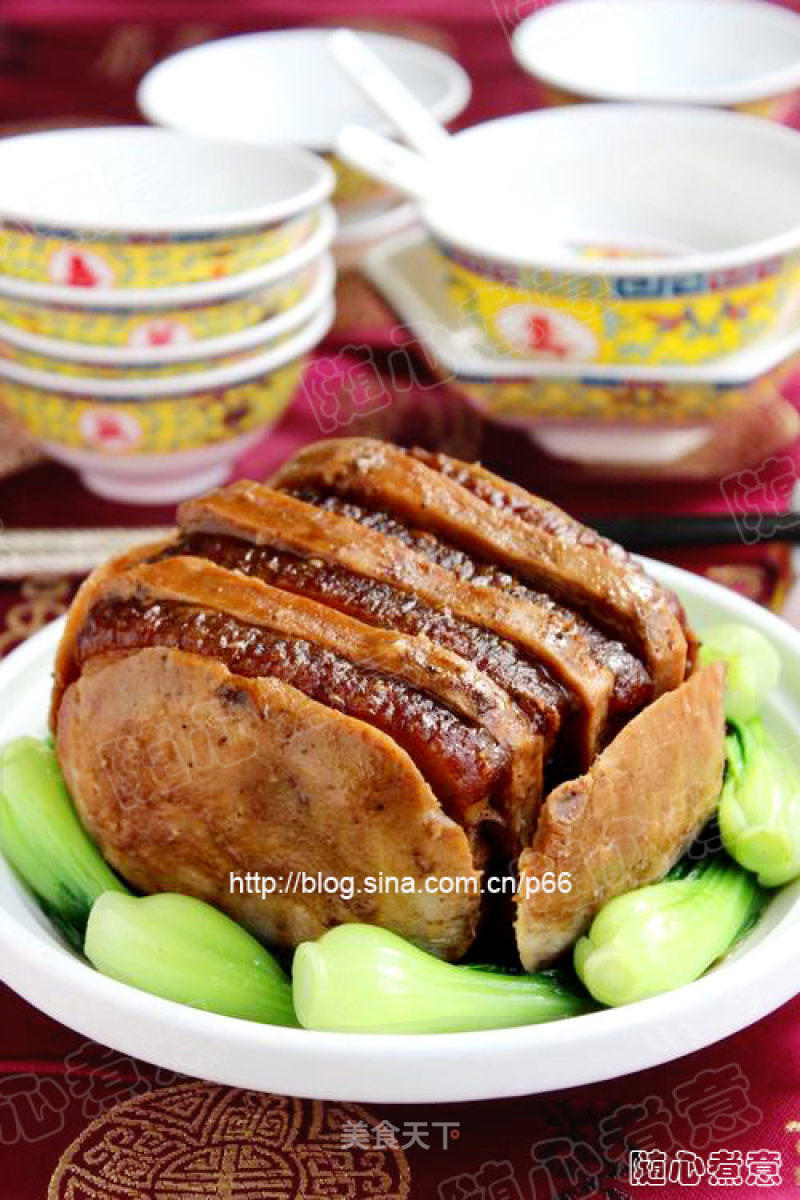

Taro Meat
by Cook as you like
Favorite
Difficulty
Normal
Time
2h
Serving
2
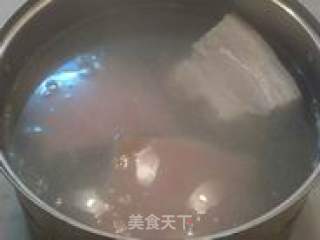
1. 1. Wash the pork belly and put it in the pot, add enough water and cook until it is ripe, remove and drain

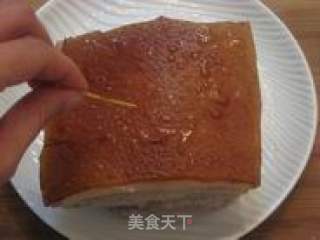
2. 2. Apply a little dark soy sauce to the watch when it is hot, and use a bamboo stick to pierce some small holes in the skin;

3. 3. Peel and wash the taro, cut into 0.5cm thick slices, raise the oil pan, fry the taro slices until slightly yellow, and then remove;
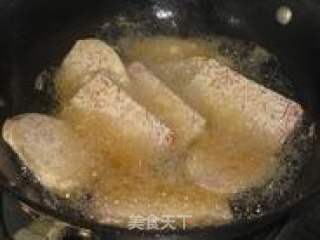

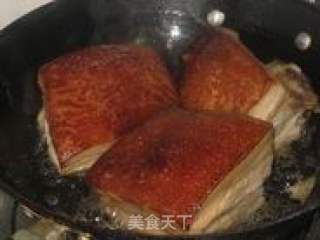
4. 4. Put the pork belly pieces into a frying pan, fry them until golden brown, remove them and immerse them in cold water, soak them until the skin is wrinkled, and cut the pork belly into 0.5cm thick slices;

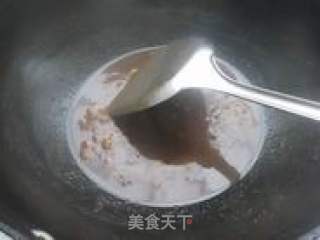
5. 5. Chop garlic, pat and mince the star anise, mix the fermented bean curd, minced garlic, minced star anise, cooking wine, light soy sauce, soy sauce, salt, sugar and oil to make a juice for later use;

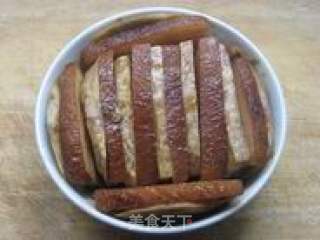
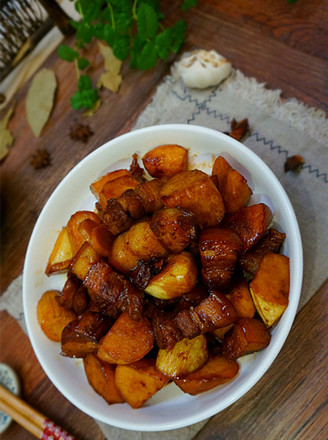
6. 6. Put the cut pork belly slices and taro slices into the sauce and mix well, then arrange the meat slices with the skin side down and alternately with the taro slices in a large bowl, pour in the remaining sauce, and steam in a steamer for 60 Minutes, until the meat slices and taro slices are soft and rotten, take them out and place them on the plate;

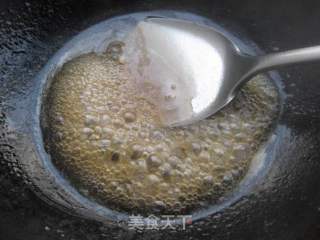
7. 7. Pour the steamed broth from the meat into a wok, add a little water and soy sauce to boil, add water and starch to thicken, and pour it on the meat.

Tips:When frying pork belly, it is best to cover the pot to avoid being scalded by the oil.
The taro should be fried until the surface is a bit dry and hard, and the shell will not be scattered after steaming. I remember that the first time I made taro, I didn't deep-fry it, but it fell apart as soon as it was steamed. Ha ha
It’s more troublesome to make buckwheat. You can make two or three bowls at a time, put it in the refrigerator, and then steam it when you want to eat it next time. This is very convenient.
Look at the three pieces of meat that I cooked before, sliced and frozen, and served with plum vegetables without taro. It is also very good to make plum vegetables.
 Buy on JD
 Buy on Amazon