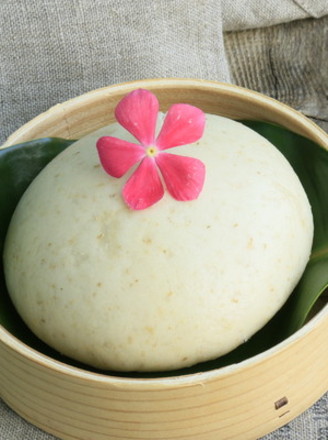
Whole Wheat Buns
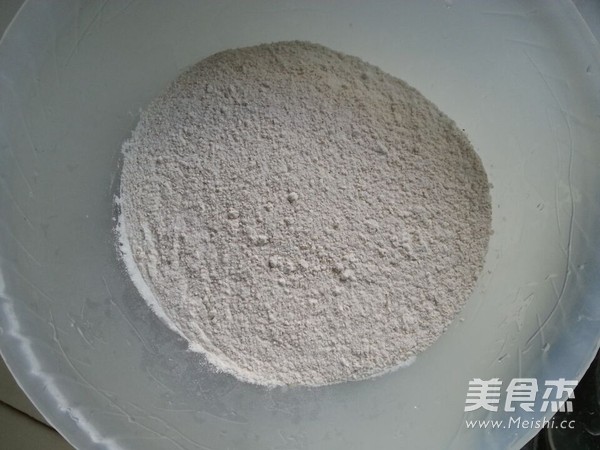
1. Mix whole wheat flour with regular flour.
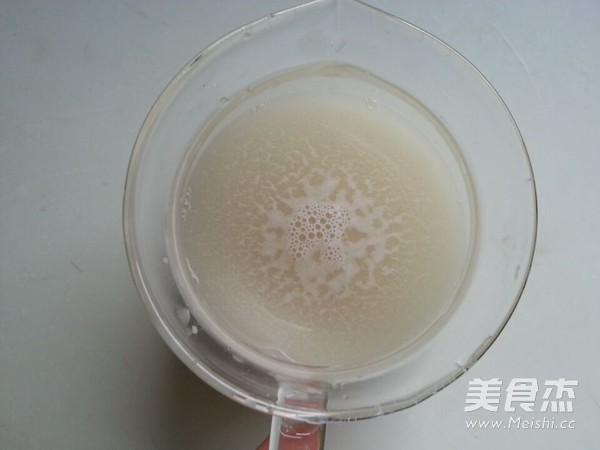
2. 280 grams of warm water dissolves 4 grams of yeast, and the water temperature should be around 35-38 degrees Celsius.
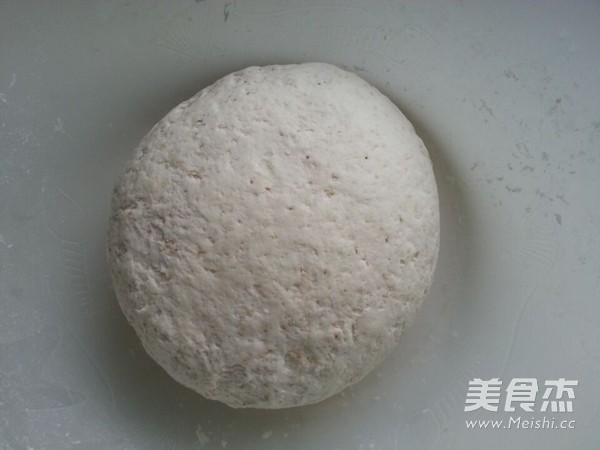
3. Pour the water slowly into the flour, and stir while adding the yeast water. Do not pour all at once. Knead into a smooth dough, about 5-8 minutes.
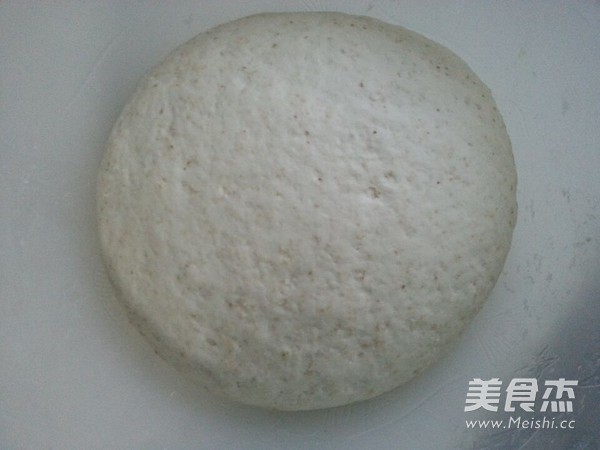
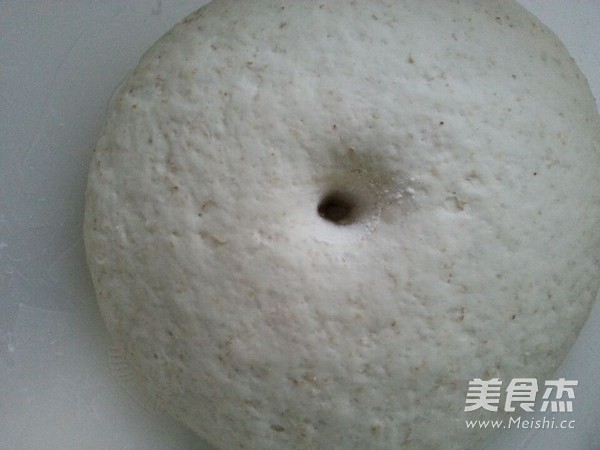
4. Put the kneaded dough in the basin and cover it to ferment. The dough rises to twice its size.
5. Poke with your fingers, the dough will not collapse, and the inside of the dough will be uniformly honeycombed.
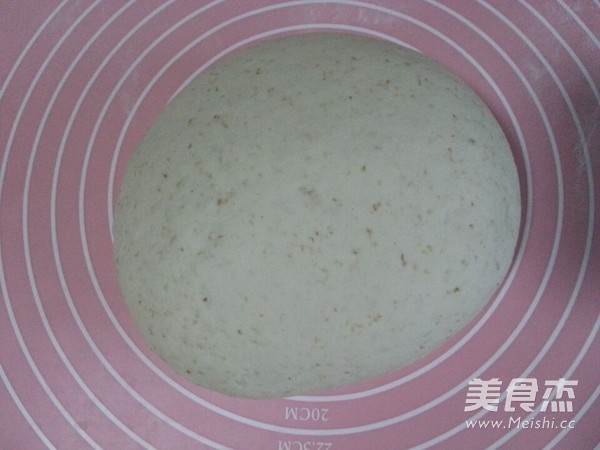
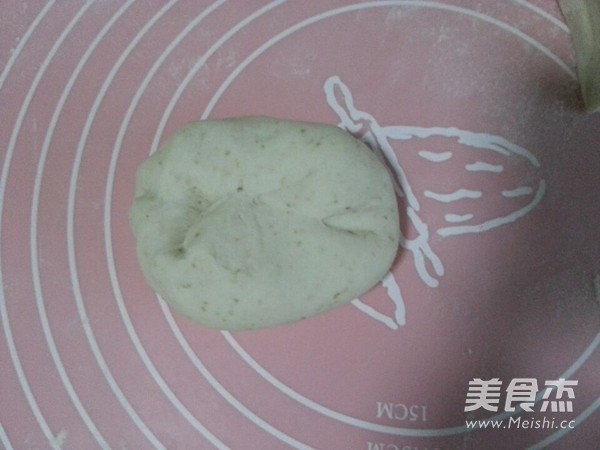
6. Sprinkle a little flour on the chopping board to prevent sticking, pour the fermented noodles on the chopping board and knead again for 2-3 minutes
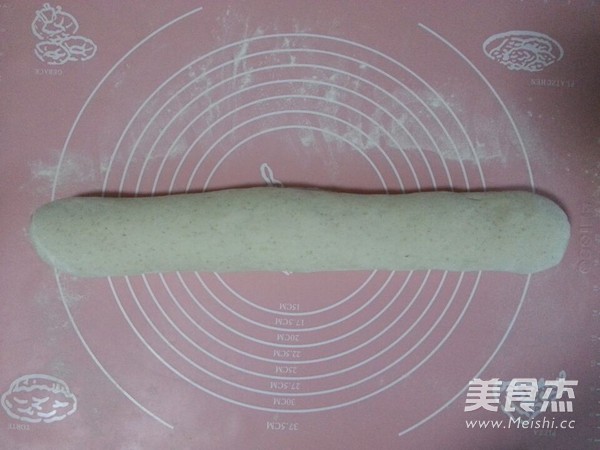
7. Roll the dough into thicker strips.
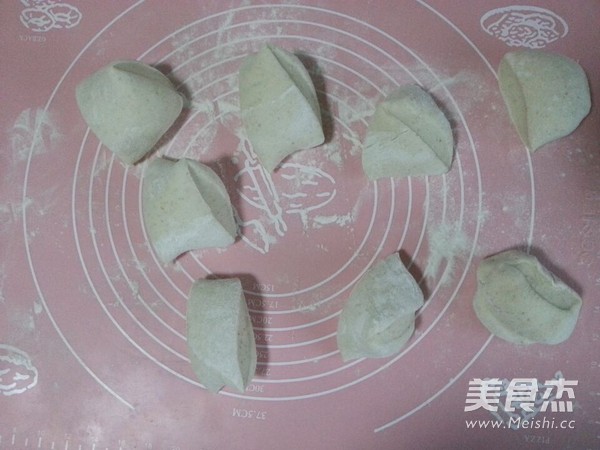
8. Cut into evenly-sized noodles.
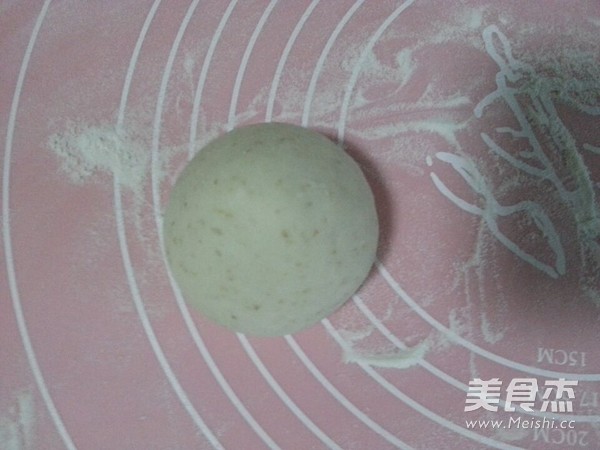
9. Knead the area for 1-2 minutes again, whether it is steamed buns or steamed buns, this step must be kneaded.
10. Plastic surgery, make steamed bun embryos.
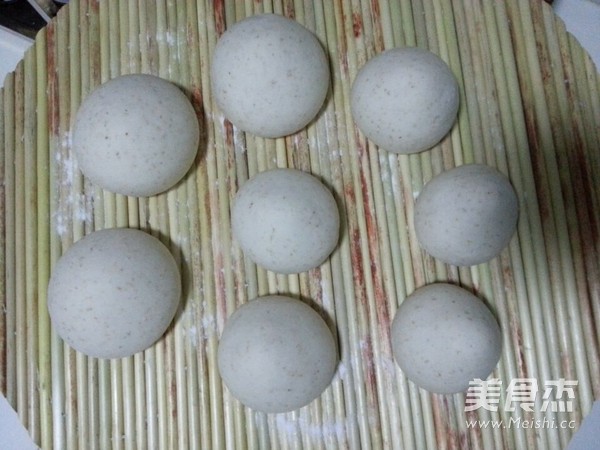
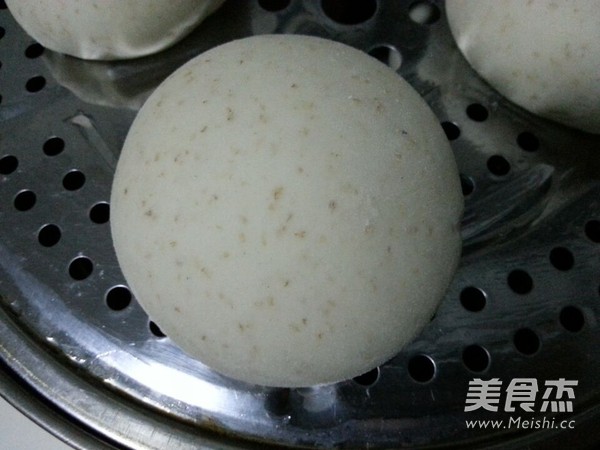
11. The finished steamed bun embryos are left at room temperature for 15 minutes for secondary fermentation. After 15 minutes, the steamed buns have grown significantly.
12. Put an appropriate amount of cold water in the pot, brush an appropriate amount of vegetable oil on the grate, and place the steamed buns on the steamer, leaving a gap in the middle, because in the steamer, the steamed buns will become larger. After the fire was boiled, I saw a thick white mist. I continued for 7 to 8 minutes, and then changed the heat to steam for 16 to 7 minutes. It is very important not to open the lid immediately after turning off the heat. Open the lid 3 minutes after turning off the heat.
If you open the lid immediately after turning off the heat, you will see that the fluffy steamed bun skin immediately collapses. Set aside 3 minutes to let the steamed buns in the pot slowly brew for a while again in the heat.

Tips: The variety of flour types in supermarkets can be confusing. In the end, I don’t know which one to choose. Let’s first figure out the types and usage of these flours:
1. How to choose flour
1. Self-raising powder: As the name implies, it is a flour that can be mixed with warm water without adding dry yeast. After kneading the self-raising powder into a dough with warm water, it can be raised to twice its size.
2. Dumpling flour: This kind of flour is more suitable for making noodles, dumpling wrappers, chaotic wrappers, and cake wrappers. This kind of flour has a strong taste, does not rot after being boiled, and has better ductility when stretched, and it will not break easily. Dumpling flour is not suitable for steaming buns and steamed buns.
3. Fuqiang flour: Fuqiang flour is relatively fine, with high gluten content and less impurities, which may be considered high-gluten flour. Fuqiang powder and appropriate amount of yeast can also be used for steaming buns.
4. Ordinary flour: Ordinary flour is relatively coarse and is the so-called low-gluten flour. Ordinary flour is very suitable for making steamed buns and buns.
5. Standard powder: Standard powder is somewhere in between. Standard flour can be used to make pasta.
6. Wheat noodles: usually used to make steamed buns, steamed buns, noodles, Chinese dim sum, etc. are all good choices.
7. Whole wheat flour: Whole wheat flour is the whole grain of wheat in the milling process, only after grinding, without the need to go through the process of removing the bran, the whole grain of wheat contains the bran and germ all ground into powder, it is called whole Wheat flour. Whole wheat flour and appropriate amount of flour can also be used to steam steamed buns.
8. For the above types of flour, except for self-raising flour, which does not require the addition of yeast, other types of flour steamed buns require the addition of yeast powder.
2. How to use yeast Yeast can be bought in general supermarkets. Yeast needs to be stirred and melted with a proper amount of warm water and then added to the flour to knead the dough. The water for melting the yeast should be between 35 degrees and 38 degrees. Too high water temperature will scald the yeast to death. Generally, the water temperature should not be hot in the family.
3. The ratio of water yeast to flour Angel yeast is 1% of flour, 1 catty of noodles is 5 grams, and so on. 10 grams of yeast is loosely boiled with a little water at 38 degrees, and placed in 2 kg of noodles.
Fourth, proofing time The proofing time of the dough should be determined according to the room temperature. If it is summer, the dough will be proofed in about 1 hour, about 2 hours at room temperature of 27 8 degrees, and about 3-4 hours at room temperature of 17 8 degrees. The dough should be placed in the basin and covered with a lid, otherwise the skin of the dough will be dry and cracked. If the room temperature is low and you have an oven at home, you can put it directly in the oven for fermentation.
When the dough is proofed to twice its size, it is fine. If the dough is proofed too much, the dough will have a sour taste, but it will not affect the consumption. The steamed buns do not have a sour taste, but the taste is slightly worse.
5. Kneading The first time you knead the dough, it will take about 5 minutes to knead until the dough is smooth. The dough is well proofed, sprinkle an appropriate amount of flour on the panel, and knead again for 3-5 minutes. After shaping, make small steamed bun embryos. Don't steam the steamed steamed buns immediately after kneading them, they need to be proofed again for about 15 minutes. After 15 minutes, it will be obvious that Xiao Mantou has grown up.
Sixth, the time and skills of steaming steamed buns
About 25-30 minutes.
Put an appropriate amount of cold water in the pot, brush an appropriate amount of vegetable oil on the grate, and place the steamed buns on the steamer, leaving a gap in the middle, because in the steamer, the steamed buns will become larger. After the fire was boiled, I saw a thick white mist. I continued for 7 to 8 minutes, and then changed the heat to steam for 16 to 7 minutes. It is very important not to open the lid immediately after turning off the heat. Open the lid 3 minutes after turning off the heat.
If you open the lid immediately after turning off the heat, you will see that the fluffy steamed bun skin immediately collapses. Set aside 3 minutes to let the steamed buns in the pot slowly brew for a while again in the heat.
I have organized so much about how to steam buns, I hope you can see it clearly. If you master these points, you will surely steam the steamed buns and buns.

 Buy on JD
 Buy on Amazon