
24-hour Natural Ferment---biga Starter Ciabada
by kiss war girl
Favorite
10
Difficulty
Hard
Time
48h
Serving
2
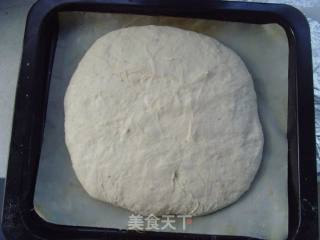
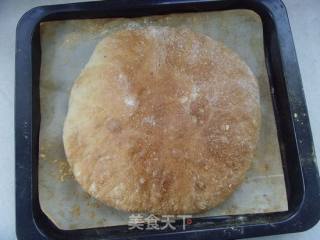
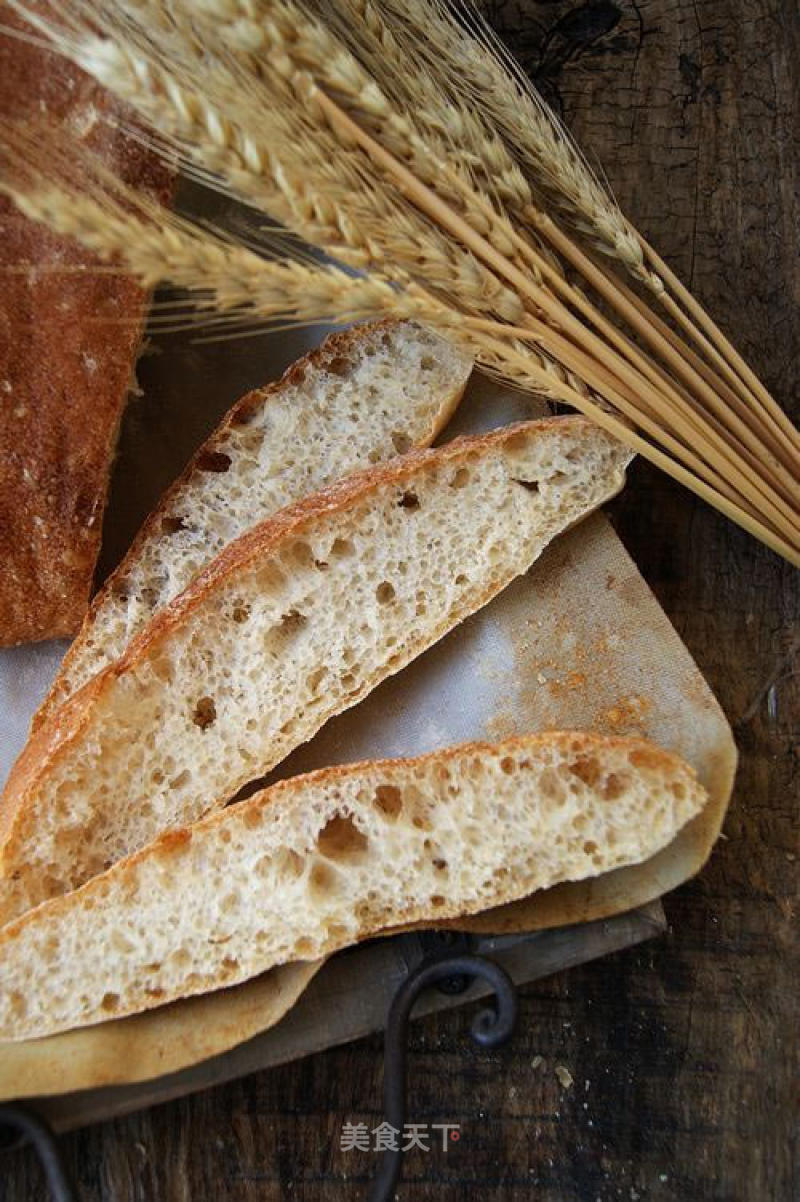
Like the baguette, Chabada is also a bread that looks basic but difficult to make. In addition to the requirement that the shell is thin and crisp, and the internal structure is rich in taste and chewy, its biggest feature is that the internal holes are many, large and irregular.
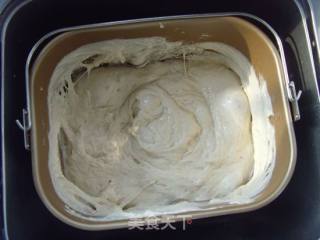
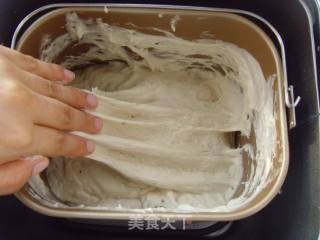
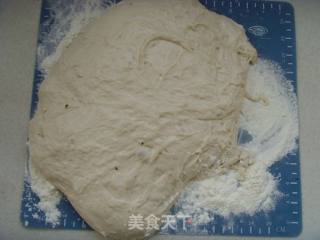
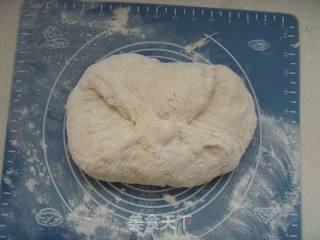
The main bread dough is very thin because of its high water content! Manipulative experience is very important. Knead the dough as little as possible and increase the gluten by folding the dough.
Although the Chabata this time is far from perfect and there is a lot of room for improvement, it is at least better than the previous two. Not only the internal organization and outer shell are better than before, but also because of the long-term fermentation of biga ferment. The head, the flavor is also very rich, especially delicious. "
 Buy on JD
 Buy on Amazon