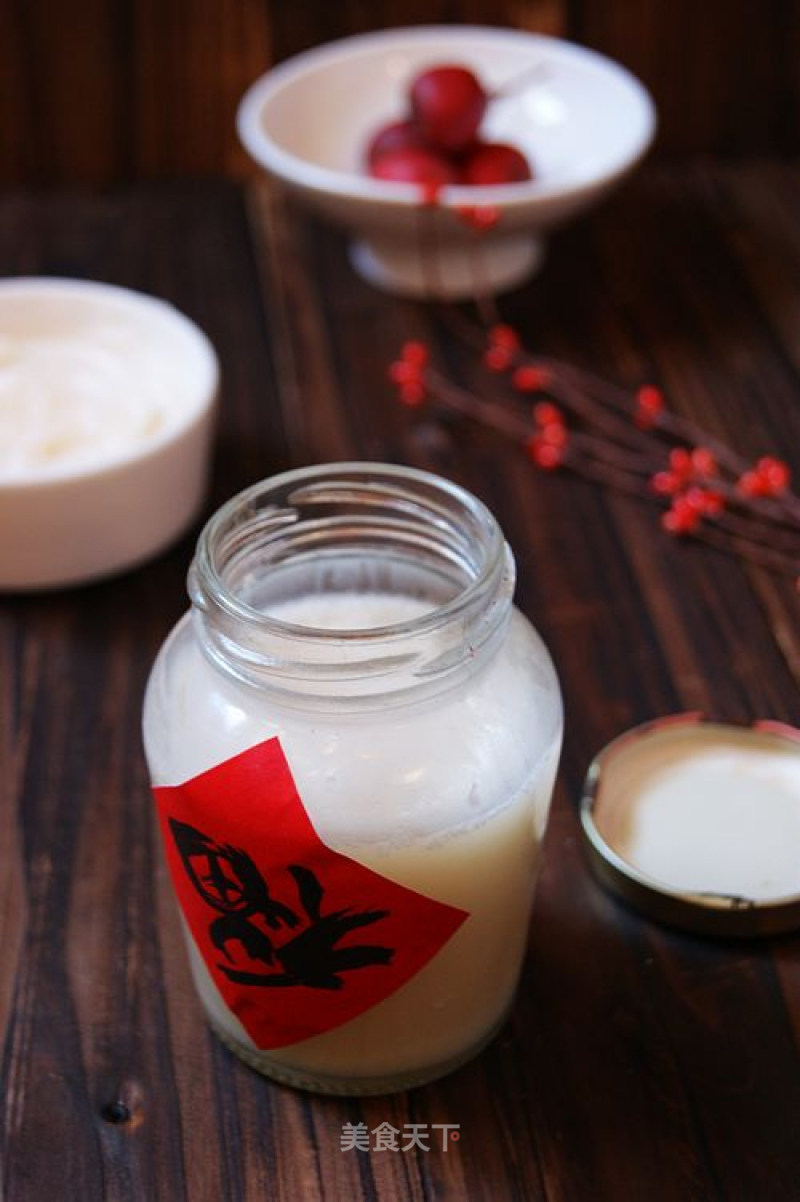

A Must for Pastry---lard
by kiss war girl
Favorite
2
Difficulty
Normal
Time
30m
Serving
2
Lard plays a very important role in Chinese desserts, especially in pastry desserts. "
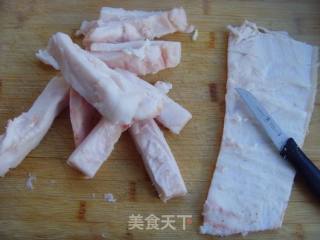
1. Scrape off the dirt on the surface with a knife, remove the fat part and cut into strips.

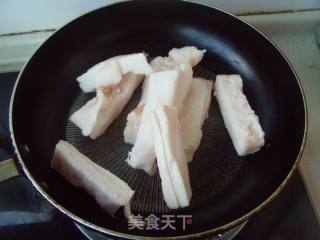
2. Put pork suet on the pot and fry on medium to low heat.

3. After the oil comes out of the pot, change to a low heat and boil it slowly. Use a shovel to shovel the pork suet from time to time in the middle to make it evenly heated.
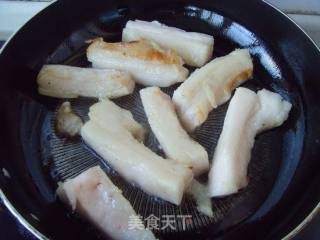

4. Put the chopsticks on the suet more to make the suet fully squeezed and shorten the time.
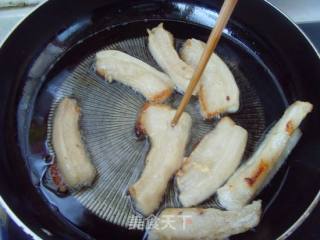

5. The refined lard is removed from the oil residue and filtered, added with a little salt and sugar, and spread to cool.
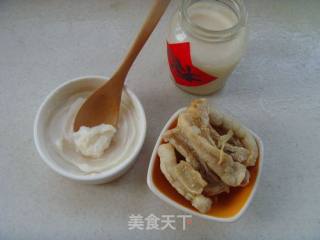

Tips:1. The first choice for boiled lard is lard suet, which is the big white fat block on the belly of the pig. Use it to boil the oil, so that the oil residue is less and the amount of oil is higher.
2. The storage time of lard should not be too long, especially in summer, it is easy to be oxidized in contact with the air, resulting in rancidity and deterioration. Rancid lard is not suitable for consumption.
3. Adding a little sugar and salt after the lard is allowed to cool can not only increase the flavor of the lard, but also prevent deterioration.
4. If the general population does not over-ingest, lard can nourish and moisturize the human body.
5. Lard is high in calories, so it is not suitable for the elderly and people with three highs.
 Buy on JD
 Buy on Amazon