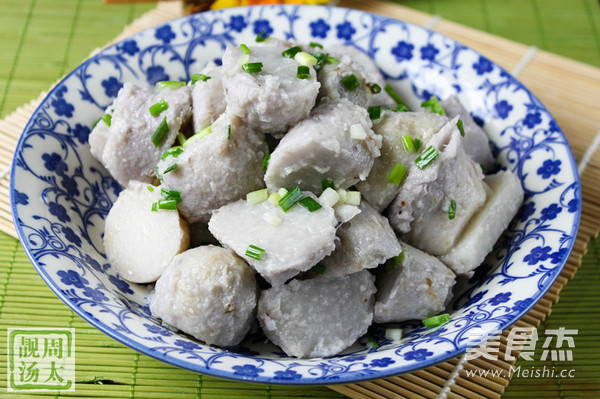
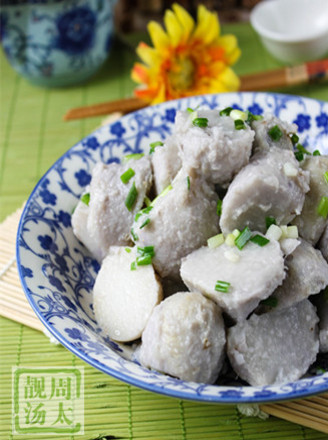
Scallion Oil Taro
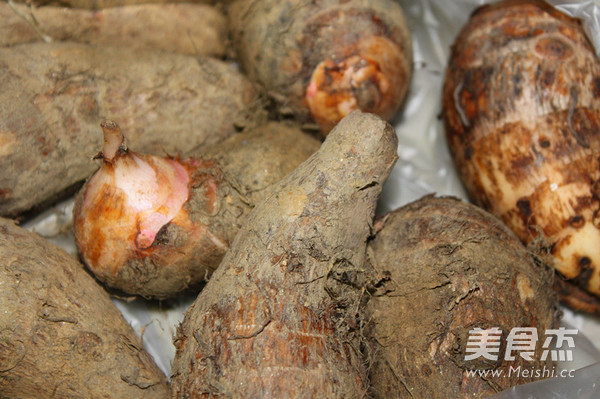
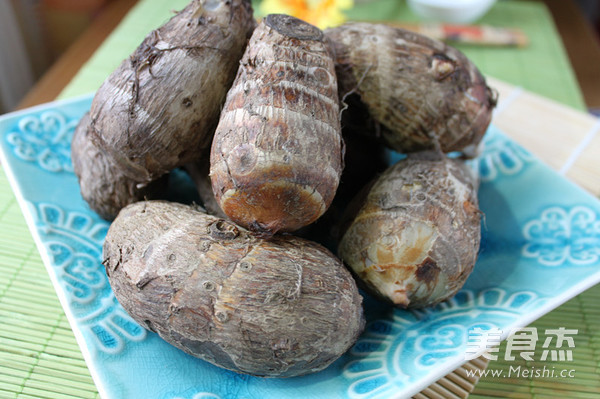
1. Choose fresh red-stemmed taro, which is softer and smoother, and has no hard core
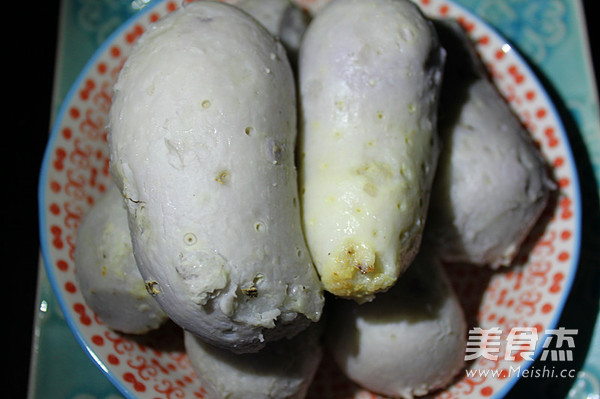
2. The taro is cleaned and steamed. Use chopsticks to poke it in, but it should not be too rotten. If it is not steamed, it may be cooked directly after peeling. There is a small problem. The taro is likely to be seriously deformed.
3. Steamed taro is easy to peel, and there will be no allergies to cause itchy skin
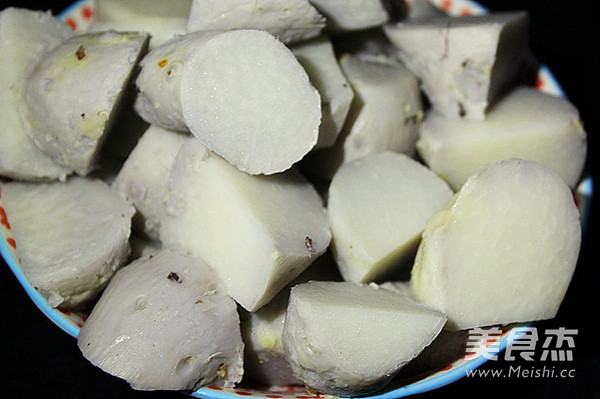
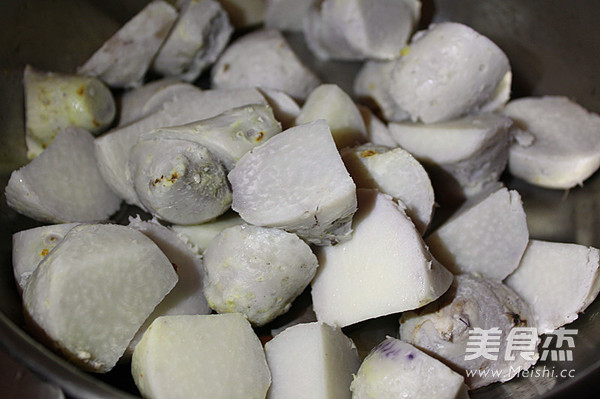
4. Cut into hob blocks for use
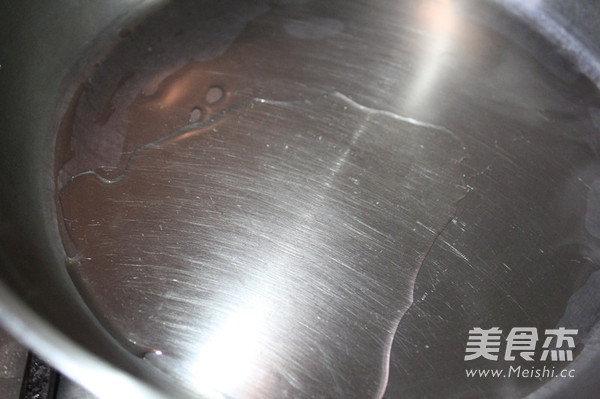
5. Pour oil in the pot and heat it up
6. Pour the taro, add appropriate amount of water, keep the heat at medium and low, and stir fry carefully. The taro is easy to rot.
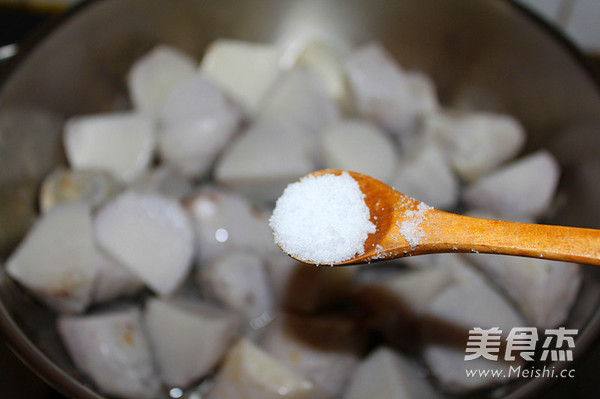
7. Season with salt
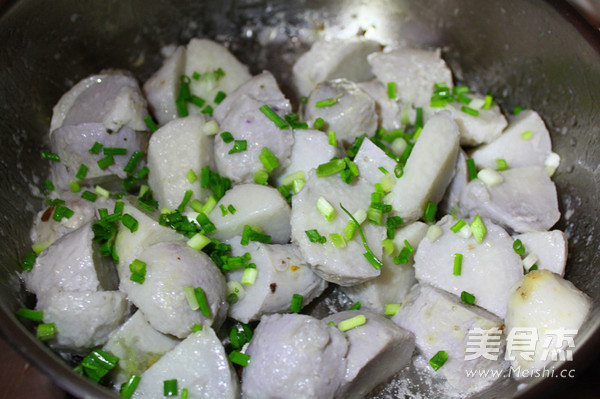
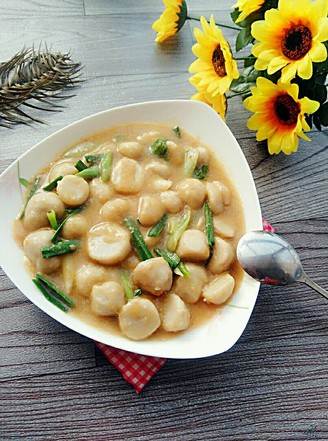
8. Finally, sprinkle the chopped green onion and it will be out of the pot
9. Using the simplest and most primitive method, green onion and salt, the taste of taro can be brought into full play. It is delicious, soft, glutinous, smooth, and smooth. It is the characteristic of this green onion taro. It is delicious and can’t stop feeling. Remember not to eat more, it is easy to bloat
Tips: 1. [Adapt to the crowd]: It can be eaten by the general population, especially suitable for the frail people;
2. [Contraindications]: People with phlegm, allergic physique (urticaria, eczema, asthma, allergic rhinitis), children with food stagnation, poor appetite, and diabetic patients should eat less; food stagnation, stomach pain, gastrointestinal dampness and heat Not eaten
3. [Food phase-g]: Avoid eating taro with bananas.

 Buy on JD
 Buy on Amazon