Bun
1. I use a bread machine to knead the dough, which saves effort. Just add water to the noodles without a bread machine. Yeast powder is too light to weigh, so it is much more convenient for me to use a spoon. Add 250g of cold water to the inner bucket of the bread machine, and then add 7.5ml of yeast powder (5ml in the picture)
2. This picture is 2.5ml
3. Then add 5ml sugar (the sugar is added for the yeast to work better)
4. Mix well
5. Add 600g flour
6. Beat in 1 egg, and then add 10g of butter (in fact, the best oil is white lard, which I don’t have. But it is also good to substitute. The amount of oil is according to personal preference. The more oil the final bun will make the bun crisper). Then put it in the bread machine and reconcile, and knead it to the "three-light" state of surface light, pot light, and hand light.
7. Fermentation, now it’s hot, just leave it at room temperature. In winter, just leave it next to the heater. It can be fermented to double the size (I've sent this a bit, and it's collapsed, but it doesn't matter, Chinese food is so casual)
8. Sprinkle the thin surface of the panel to prevent sticking
9. Put the dough on the panel and knead it into a ball
10. Roll the dough into thin slices, the thinner the better (my panel is small, so I only roll half of the dough, otherwise it's too thick)
11. Pour vegetable oil in the center of the noodles, put five-spice powder, pepper powder and salt (I put the special spices my mother sent from home, so the amount is large. If you have a large amount of five-spice powder, please don’t put so much)
12. Lift a corner of the dough sheet and wipe off the oil and seasoning in the center
13. Lift the four corners separately, and wipe the oil and seasoning thoroughly, as shown in the figure
14. Start rolling from one end of the dough, roll up the dough, and stretch the dough while rolling, so that the dough will be thinner
15. Finally rolled into a roll
16. Hold one end of the noodle roll with both hands, twist the noodle roll in the opposite direction, and squeeze the noodle roll toward the middle while twisting (the noodle roll becomes shorter as you twist it)
17. The twisted noodles are rolled up and pressed to form a round cake, as shown in the picture
18. The pressed noodles are then rolled into a bun with a thickness of about 1cm.
19. Turn the pan to the lowest heat after high heat, put in the rolled buns, cover the pan, turn it over for about 5 minutes, remove the pan cover after the last turn, and cook for a total of about 15 minutes. (Pull a chopstick into the steamed bun. It doesn't feel sticky. If you pull out the chopsticks, there is no noodles on it, it means it's familiar)
20. The prepared bun can also be baked in the oven. Before baking, use a fork on the bun to prevent bubbling. Put the bun directly on the baking tray. Bake the upper and lower heat at 200 degrees Celsius for about 20 minutes, according to the temper of your own oven.
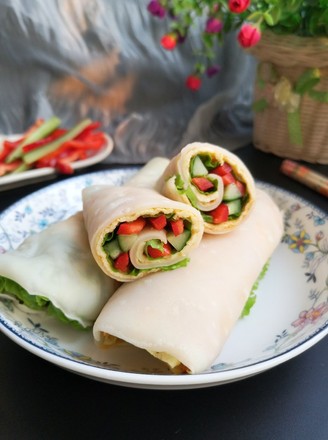
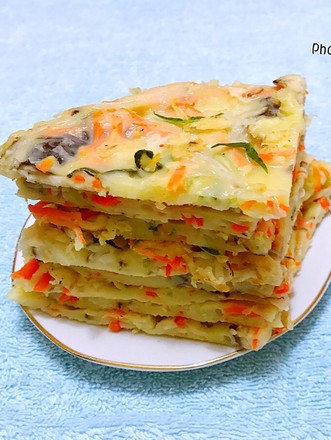
21. The branded buns should be softer. Isn't it appetizing if you cut layer by layer?
22. The bun baked in the oven will be thicker and harder. The picture shows that I baked it for 15 minutes. I later added it and baked it for 5 minutes. The surface was golden after baking (it was wiped out before the photo was taken... )


 Buy on JD
 Buy on Amazon