

Pork Buns with Fresh Juice
by He Mo 828
Favorite
4
Difficulty
Easy
Time
30m
Serving
2
The soft and fragrant dough, the fresh and juicy meat fillings, take care of your family and give them the most delicious and safest food.
1. I use Angel Yeast Powder, which is the most common in supermarkets, and soak it in warm water at 35 degrees to decompose it. Put a little salt in the flour and mix well to make the dough more tough after fermentation. Proportion: 500 grams of flour, 3 to 5 grams of yeast powder (a teaspoon half to 1 spoon), 230 grams of warm water (warm water is used to soak the yeast powder. Because the water absorption of dry flour is different, the yeast water should be added gradually and kneaded until soft Moderately firm dough).
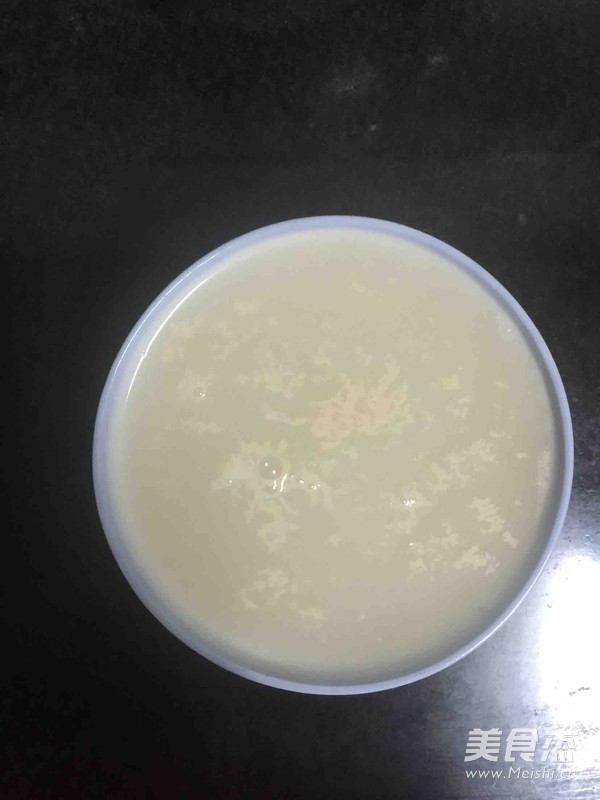

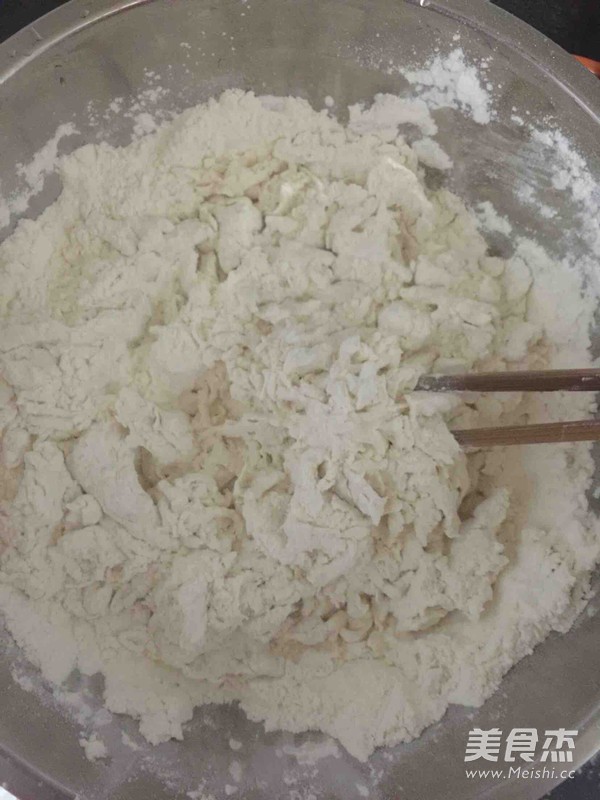
2. Pour the yeast water into the flour several times in small amounts. While pouring, use chopsticks to stir all the flour into a flocculent shape.

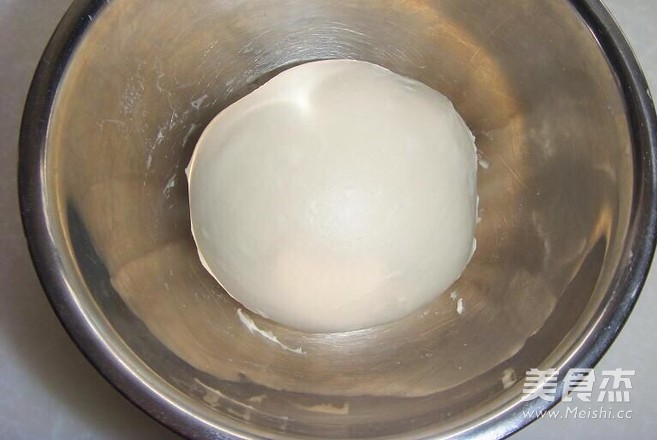
3. Knead the flocculent dough by hand to form a large dough. (Do not stick to the hands, non-stick basin, and the surface should be smooth. Don’t let the dough be moist and soft.) Cover it with a damp cloth, and let it stand overnight until it is fully fermented. (Because the temperature in the southern winter is only ten degrees Celsius, I plan to leave it overnight. Do it tomorrow)

4. I opened the damp cloth the next day, and the dough had fermented to twice its original size, and it gave off the fragrance of fermented flour.
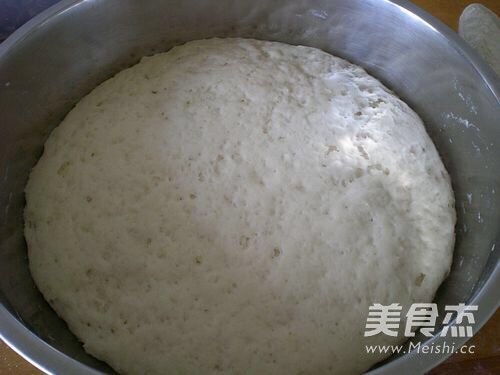

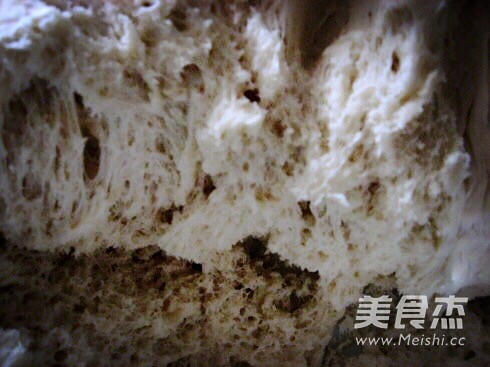
5. Tear part of the dough, the inside becomes a uniform honeycomb shape, and the fermentation is successful.

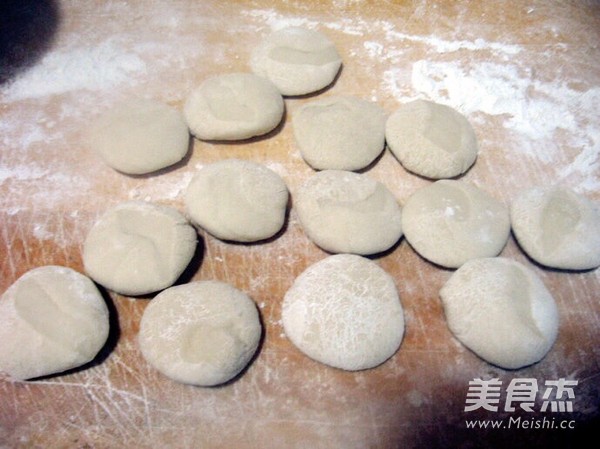
6. Take out the dough and knead it repeatedly or take the dough and throw it on the chopping board to expel the air inside, then roll the dough into cylindrical long round noodles and cut them into small doses with a knife (Note: After cutting the dough, observe whether there is any Obvious bubbles, if there are any, continue to knead the dough until the bubbles disappear completely)
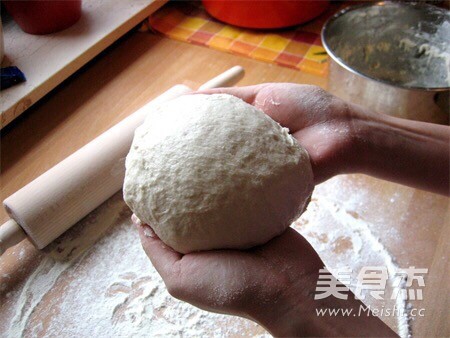

7. The bun's dough only needs to be rolled out by the edges, and use a rolling pin to roll as thinly as possible around the edges of the dough. But be aware that when the dough is too thin, it is easy to tear the dough. If the dough is too thick, thick noodles will appear at the seal of the buns, which will not taste good.

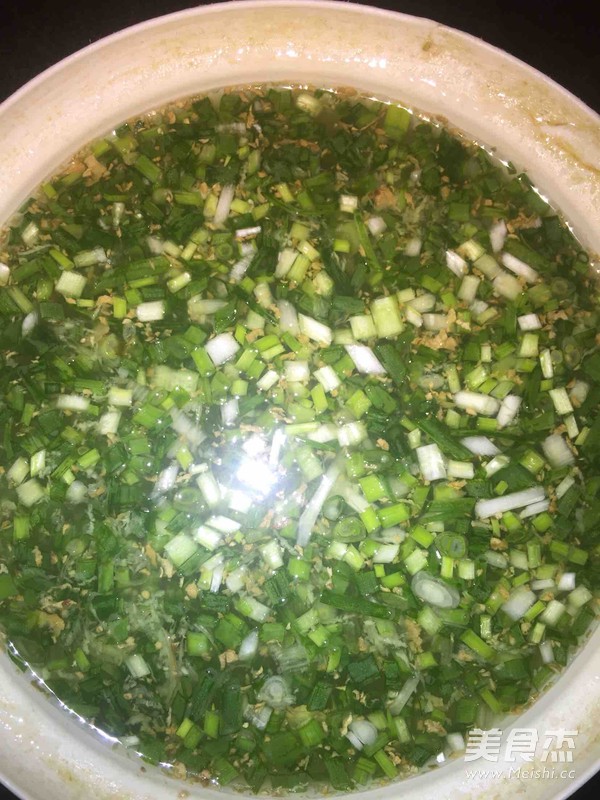
8. Pour the chopped green onion and ginger into a puree and pour into about 250ml of hot water at 70 degrees Celsius. Stir the two together. After standing for ten minutes, separate the onion and ginger residue with a colander and place it in another bowl for later use.

9. Add salt, monosodium glutamate, oyster sauce, light soy sauce, five-spice powder to the minced pork filling. In order to make it more colored, add a little soy sauce, and then pour a small amount of the previously separated green onion and ginger water into three parts. At the same time, stir the filling clockwise to allow the pork to absorb as much moisture as possible.
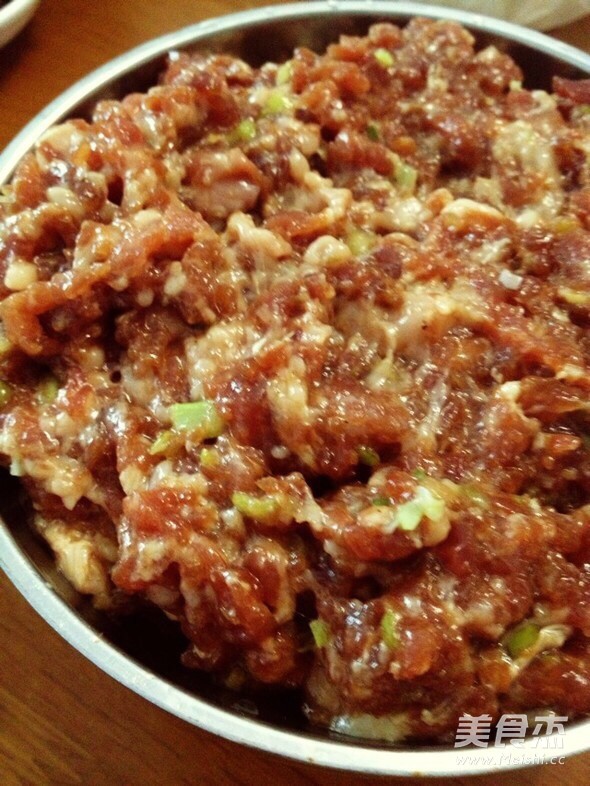

10. (I didn’t take pictures of the process of pinching the buns. Let’s borrow other people’s pictures for everyone to learn)
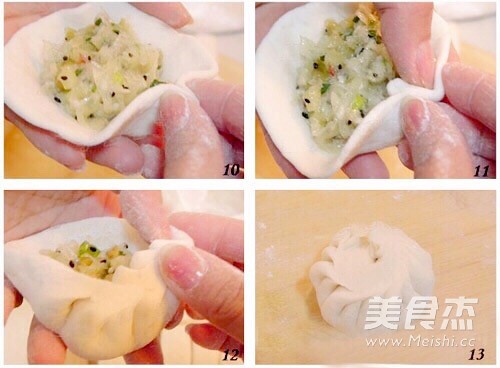

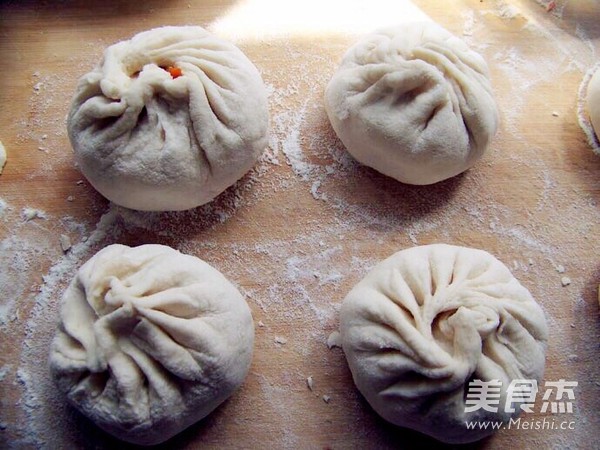
11. Cover the kneaded raw buns with plastic wrap or a damp cloth, and let stand for about 10 minutes for the second fermentation (the purpose is to make the steamed buns softer.)

12. Brush a small amount of oil on the steaming mat to prevent the buns from sticking, add cold water to the pot and boil on high heat, then put on the mat where the buns are placed. After three to four minutes, turn to medium heat and continue to turn off the heat for about 15 minutes. The hot and juicy meat buns are out of the pot!
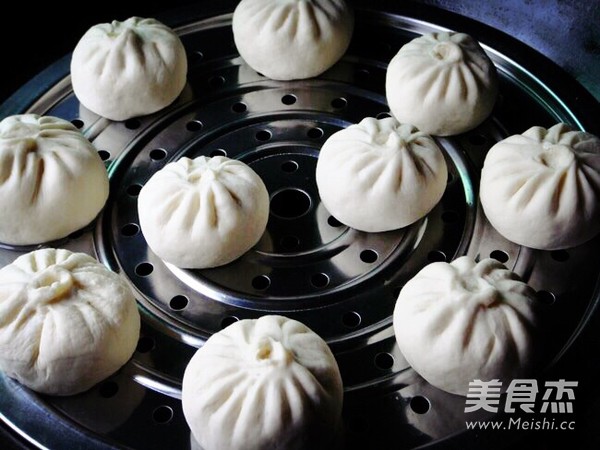

Tips:Look at this gravy is really delicious. The first time I made it, it was so successful! In the future, you can try other flavors of steamed buns. It’s the first time to make steamed buns.





 Buy on JD
 Buy on Amazon