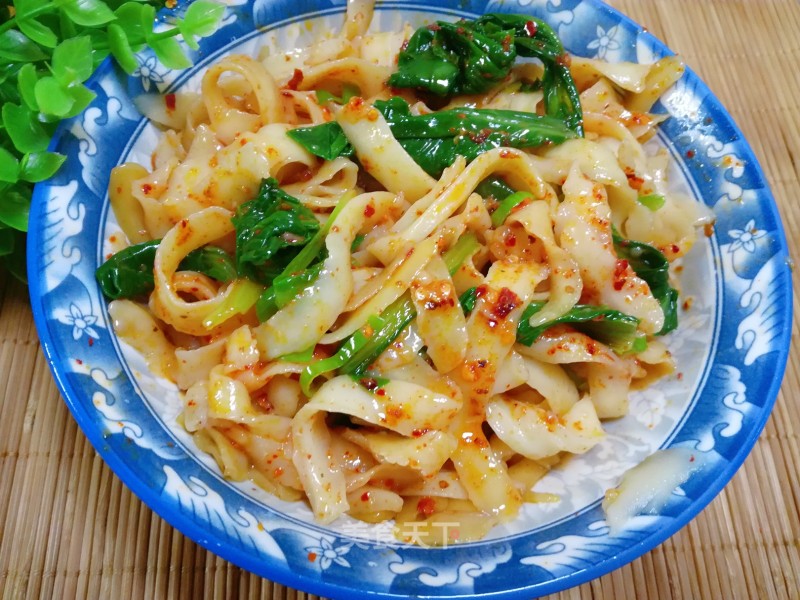

Slicing Noodles with Oil
by Misty soul
Favorite
Difficulty
Normal
Time
1h
Serving
2
1. Add the flour a little bit of cold water and beat it into noodles
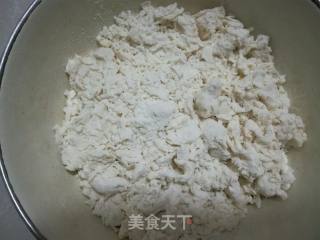

2. Knead into a ball again, this is a test of hand strength. There is more noodles but little water, so kneading the noodles is quite laborious. It requires 1 catty of noodles and 3 taels of water. The flour I used is very absorbent. I added another 10 grams. 400 grams of flour added 130 grams of cold water.
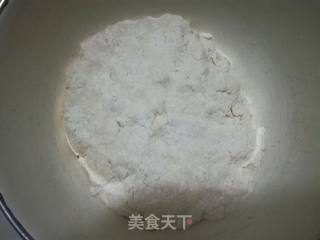

3. This is the dough that is kneaded after half an hour, and it is still very hard
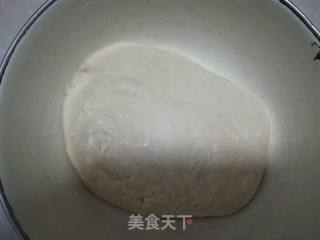

4. Continue to the noodles until the dough can be kneaded smoothly. I used it early in the evening to make noodles. It seems that the dough is still not smooth enough, and the level of noodles needs to be improved.
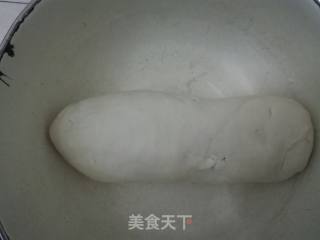

5. Knead the dough into a cylindrical shape, and prepare a noodle cutter. The noodle cutter in the picture is suitable for novices. The noodle knife is divided into left and right hands. This one in the picture is only suitable for right-handed hands. Left-handed friends must buy left-handed
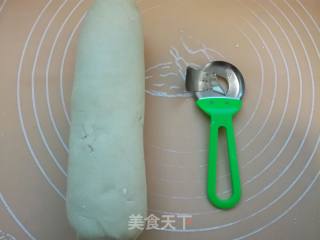

6. Drag the dough with your left hand, tilt it down slightly, and hold the noodle cutter in your right hand, and cut off the long noodles with one knife next to each other (both hands are occupied, so you can't take pictures). The length of the dough sheet depends on the length of the face column after shaping, and the thickness depends on your own technology. This is the first time I have done it, and I am so contented.
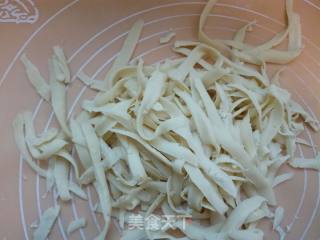

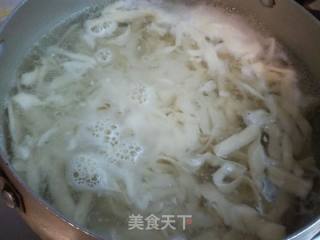
7. Put the shaved noodles in boiling water and cook. After you are proficient, you can directly cut the noodles into the boiling water pot.

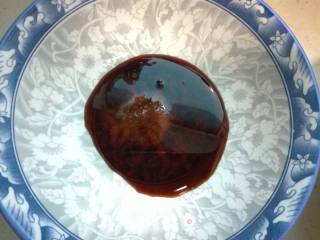
8. Prepare the sauce when cooking the noodles, add light soy sauce, vinegar, and sugar to the bowl

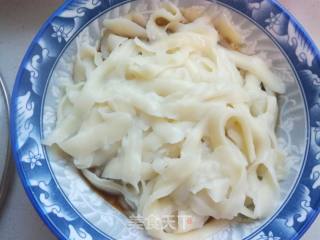
9. Add the cooked noodles

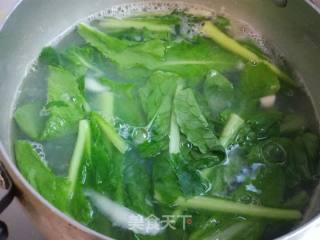
10. Boil the cabbage in water, you can also cook the noodles at the same time

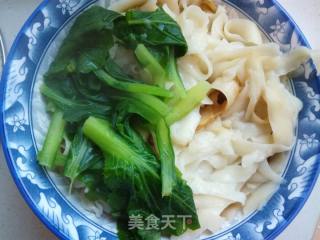
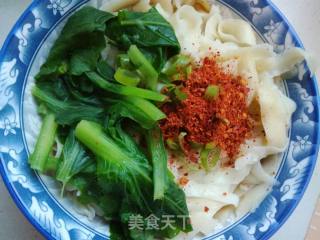
11. Put the boiled cabbage in a bowl

12. Add some chopped green onion and chili powder

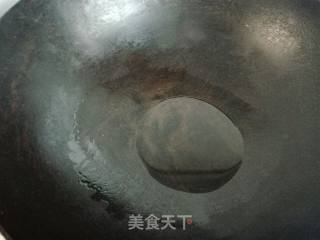
13. Burn the oil until blue smoke

14. Pour it on the chili powder while it's hot
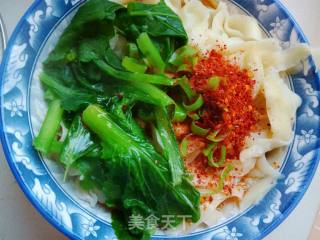

15. Mix well and eat. The noodles are very chewy and delicious.


Tips:Knife-shaved dough requires relatively high requirements, generally 3 taels of water per pound of noodles. Specifically, the amount of water can be adjusted appropriately according to the water absorption of the flour. The principle is that the dough needs to be hard, in place, and smooth. If the dough is qualified, it feels like you don't need a special noodle cutter, but you can use sharp props. Maybe you can use a potato peeling knife. Try it next time, haha.




 Buy on JD
 Buy on Amazon